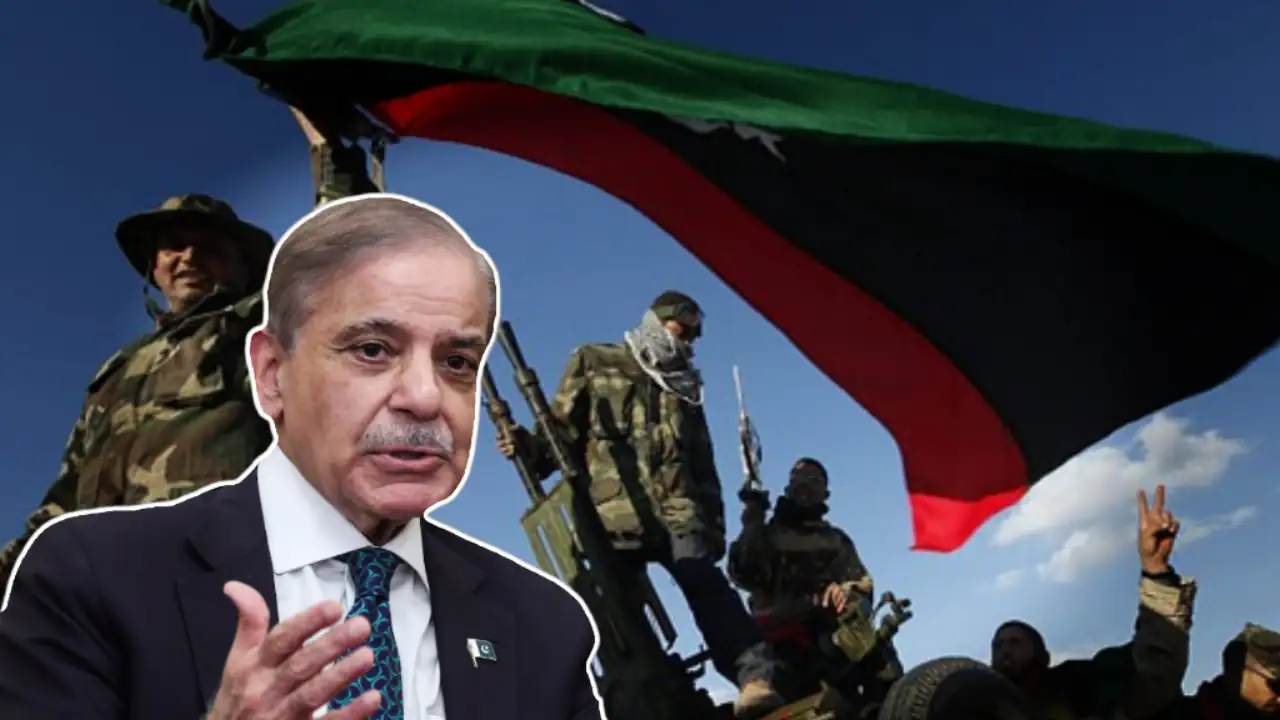
In a significant diplomatic development, Pakistan has quietly stepped in to mediate between Libya’s deeply divided eastern and western power centers, aiming to broker a unity deal in the war-torn North African nation. According to Pakistani sources, this effort, which began late last year at the request of both Libyan factions, could elevate Islamabad’s standing as a trusted international mediator if successful.
Libya has been fractured since the 2011 NATO-backed uprising that ousted longtime leader Muammar Gaddafi, leading to years of civil war and rival administrations: the UN-recognized Government of National Unity (GNU) in Tripoli in the west, and the eastern forces aligned with Khalifa Haftar’s Libyan National Army (LNA). Decades of foreign interference, disputes over oil revenues, and power-sharing have stalled previous reconciliation attempts.
Pakistan’s involvement builds on a U.S.-led push for a diplomatic solution. Sources indicate strong backing from the United States, Saudi Arabia, Qatar, and Turkey. One Pakistani source noted that Washington is “fully aware and involved” in the initiative. Pakistan has maintained balanced ties with both Libyan sides, including defense cooperation discussions with the east and recent outreach from the west.
A proposed “Libya Reunification Plan” outlines a 36-month transitional arrangement under a Government of National Consensus and Presidential Council. It envisions Abdulhamid Dbeibah of the GNU as prime minister and Saddam Haftar (deputy commander of the LNA) as chairman of the Presidential Council, with Khalifa Haftar’s faction gaining authority over key budgetary matters. Details are still under discussion, with Pakistan committed to ensuring the arrangement holds.
Official Statements
“Pakistan would play an active role in making sure this whole arrangement stays in play.”
— Pakistani source familiar with the mediation efforts as reported by Reuters
“The United States has been pushing hard in Libya… but the format it is trying to impose is still loose and ill-defined.”
— Jalel Harchaoui, contributor to Britain’s Royal United Services Institute
Last month, Pakistan’s Chief of Defence Forces Field Marshal Asim Munir met with Saddam Haftar in Rawalpindi, paving the way for Haftar’s subsequent visit to Washington. These engagements underscore Pakistan’s growing convening power.
This Libya initiative marks another milestone in Pakistan’s emergence as a credible mediator in complex global conflicts. Earlier this year, Islamabad played a pivotal role in facilitating de-escalation and talks between the United States and Iran, earning praise from the Trump administration. Pakistan has leveraged its unique position — neutral enough to be trusted by opposing sides, yet strategically connected through geography, history, and bilateral ties — to bridge divides where traditional powers have struggled.
Analysts point to Pakistan’s expanding diplomatic footprint across the Middle East and beyond. From hosting follow-on diplomacy to defense pacts like the one with Saudi Arabia, Islamabad is transitioning from a regional player to a sought-after interlocutor. Its mediation in Libya demonstrates a pragmatic foreign policy focused on stability, economic partnerships, and peaceful conflict resolution in the Muslim world and globally.
While challenges remain including entrenched foreign interests, oil politics, and the risk of deals unraveling, Pakistan’s proactive role signals a broader shift. In a multipolar world, nations like Pakistan are gaining influence not through military might alone, but through diplomatic agility, trust-building, and the ability to deliver results in high-stakes negotiations.
As one observer noted, Pakistan’s successes highlight how access, strategic positioning, and credibility can translate into real global influence. If the Libya mediation bears fruit, it could further solidify Islamabad’s reputation as an indispensable bridge-builder in an increasingly fragmented international order.
Pakistan’s rising profile underscores a key truth in modern geopolitics: influence accrues to those who can convene rivals and forge paths to peace amid complexity.