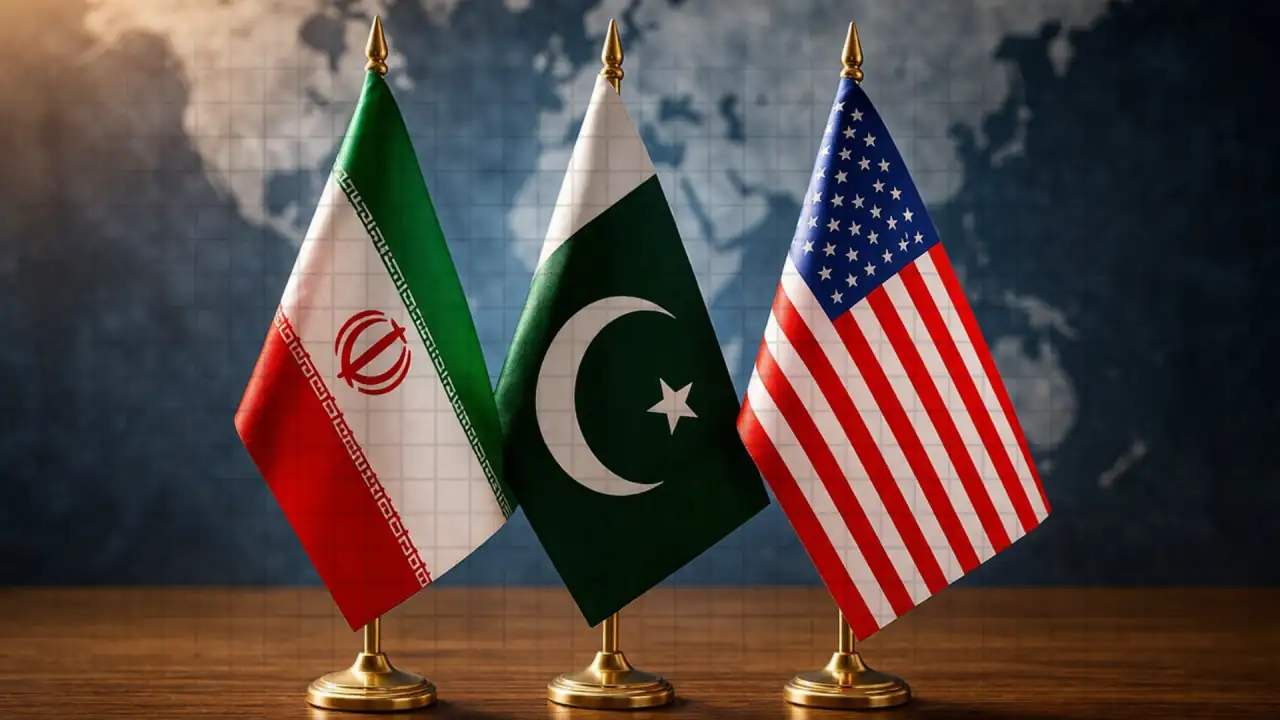
In a significant diplomatic initiative amid escalating tensions in the Middle East, Pakistan has put forward a two-phase framework aimed at halting the ongoing conflict between the United States (and its allies, including Israel) and Iran. The proposal, informally dubbed the “Islamabad Accord,” seeks an immediate ceasefire followed by negotiations for a comprehensive long-term settlement, with the strategic reopening of the Strait of Hormuz as a key early deliverable.
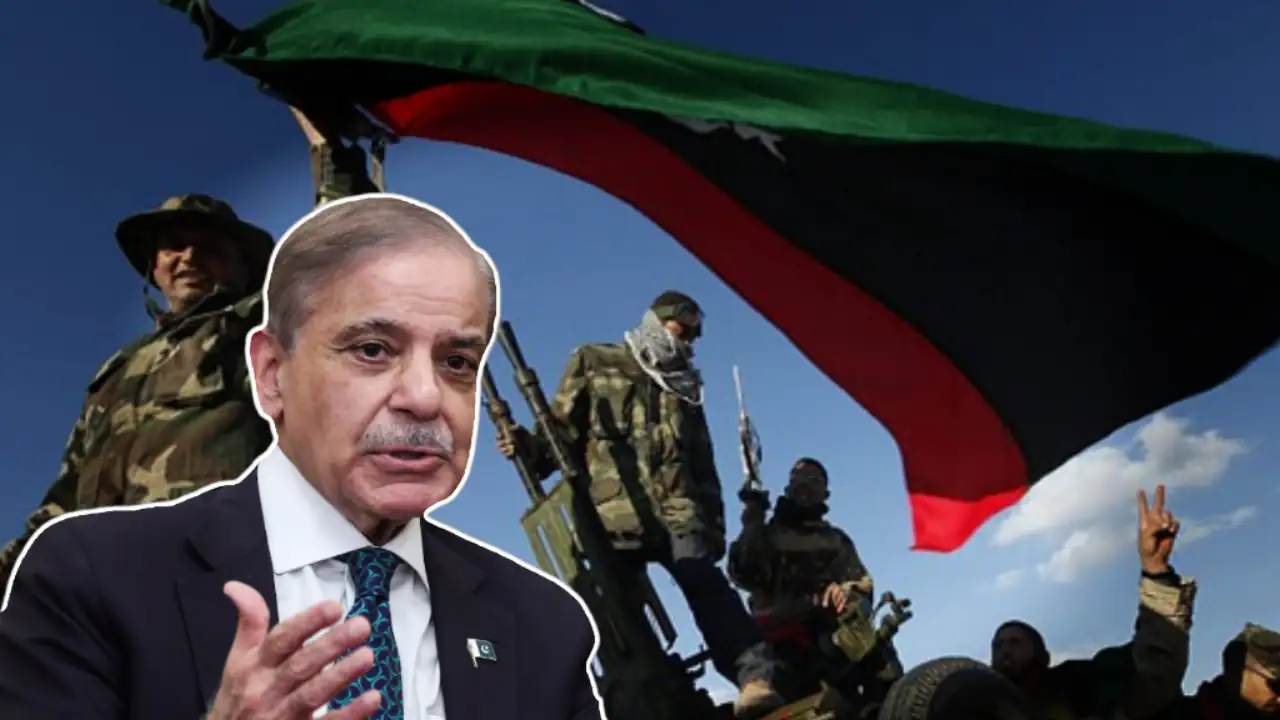
The plan was reportedly exchanged overnight with both Washington and Tehran. Pakistan’s Army Chief, Field Marshal Asim Munir, is said to have engaged in intensive overnight contacts with senior US officials, including Vice President JD Vance and special envoy Steve Witkoff, as well as Iranian Foreign Minister Abbas Araghchi.
The Two-Phase Structure
- Immediate Phase (Ceasefire and Hormuz Reopening)
The first phase calls for an immediate ceasefire to take effect as soon as possible, potentially as early as Monday. This would be accompanied by the reopening of the Strait of Hormuz, a critical chokepoint for global energy supplies.
The strait, which normally carries about one-fifth of the world’s oil and significant volumes of liquefied natural gas, has been effectively disrupted or closed by Iran since the conflict intensified in late February/early March 2026. Iranian forces have threatened and attacked vessels, leading to a sharp drop in tanker traffic and causing volatility in global energy markets. Reopening it quickly is seen as essential to stabilizing oil prices and preventing broader economic fallout.
- Follow-up Phase (15–20 Days for Comprehensive Negotiations)
Within 15 to 20 days of the initial ceasefire, the parties would negotiate a fuller peace agreement under the “Islamabad Accord.” Final in-person talks are envisioned in Islamabad.
Elements potentially included in the final deal:
Iran agreeing to verifiable limits on its nuclear program, including no development of nuclear weapons.
In exchange, Sanctions relief, the release of frozen Iranian assets, and a broader regional security framework for the Strait of Hormuz to ensure safe passage for all nations.
The proposal envisions a regional mechanism to manage the strait long-term, moving beyond temporary measures.
About the Conflict
The US-Iran conflict escalated dramatically in early 2026, with reported US and Israeli strikes on Iranian targets beginning around late February. Iran responded with missile and drone attacks on US bases, Israeli territory, and regional infrastructure, while leveraging control over the Strait of Hormuz as strategic leverage. The disruption has caused significant global concern over energy security, shipping routes, and potential ripple effects on inflation and supply chains.
Pakistan, which maintains relations with both sides and has positioned itself as a mediator (sometimes alongside Egypt and Turkey), has actively facilitated backchannel communications. Pakistan’s Foreign Office has acknowledged ongoing peace efforts but declined to comment specifically on the “Islamabad Accord,” stating that the “peace process is ongoing.”
Current Status and Challenges
While the framework has been shared and discussed, Iran has pushed back against a purely temporary ceasefire. Tehran has signaled it wants a permanent end to hostilities rather than a short-term pause, and it has rejected reopening the Strait of Hormuz without stronger guarantees on sanctions relief and asset releases. Iranian responses have included multi-point demands emphasizing reconstruction and regional de-escalation.
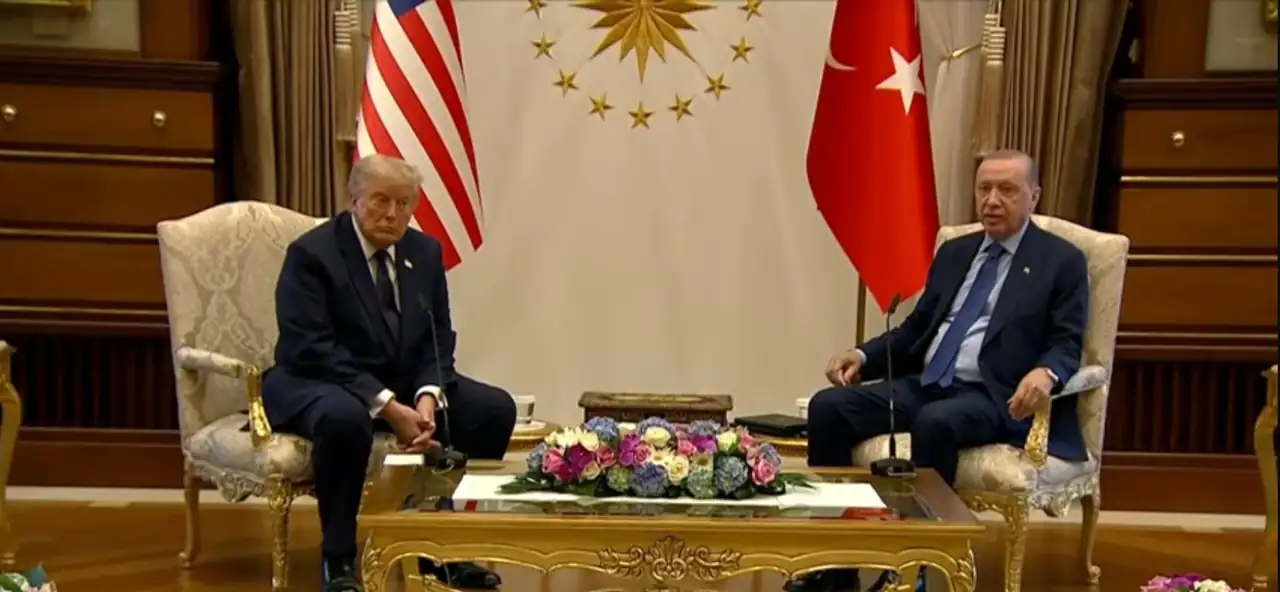
On the US side, President Donald Trump has issued strong statements and deadlines urging the reopening of the strait, warning of severe consequences if Iran does not comply. Some reports describe the mediation efforts as facing hurdles, with trust deficits and differing visions for the timeline complicating progress.
Analysts note that any deal would need to address deep-seated issues, including Iran’s nuclear ambitions, regional allies dynamics, and security guarantees for all parties involved in the Gulf.
Whether this proposal can successfully open the Strait of Hormuz remains a major question. Iran has long faced decades of international sanctions, now approaching 40 years in various forms, which in Tehran view as deeply unjust and economically crippling. In this context, Iranian officials and analysts argue that Iran has a legitimate right to exercise control over its territorial waters and maritime routes, potentially including the imposition of fees or taxes on transiting vessels, much like Egypt collects significant tolls on ships passing through the Suez Canal.
Egypt routinely charges transit fees through the Suez Canal (often ranging from hundreds of thousands of dollars per vessel depending on size and type), generating billions in revenue annually for its economy. Proponents of Iran’s position draw parallels, suggesting that prolonged sanctions have pushed Iran toward assertive measures over the Hormuz route as a form of economic self-defense and leverage. Critics, however, warn that any attempt to restrict a vital international waterway like Hormuz could set dangerous precedents, escalate tensions further, and harm global trade far beyond the current conflict.
If successful, the Islamabad Accord could quickly ease pressure on global oil markets, create space for broader diplomatic engagement on Iran’s nuclear file, and establish a new regional security arrangement for one of the world’s most vital maritime passages. Pakistan’s role highlights its strategic position as a bridge between Western powers and Iran, leveraging its military and diplomatic channels.
As of April 7, 2026, the proposal remains under review amid fast-moving developments. Markets, energy traders, and regional governments are watching closely for any breakthrough or further escalation. The coming days will be critical in determining whether the two-phase framework can bridge the gap between immediate de-escalation and a lasting accord that addresses underlying grievances on all sides.