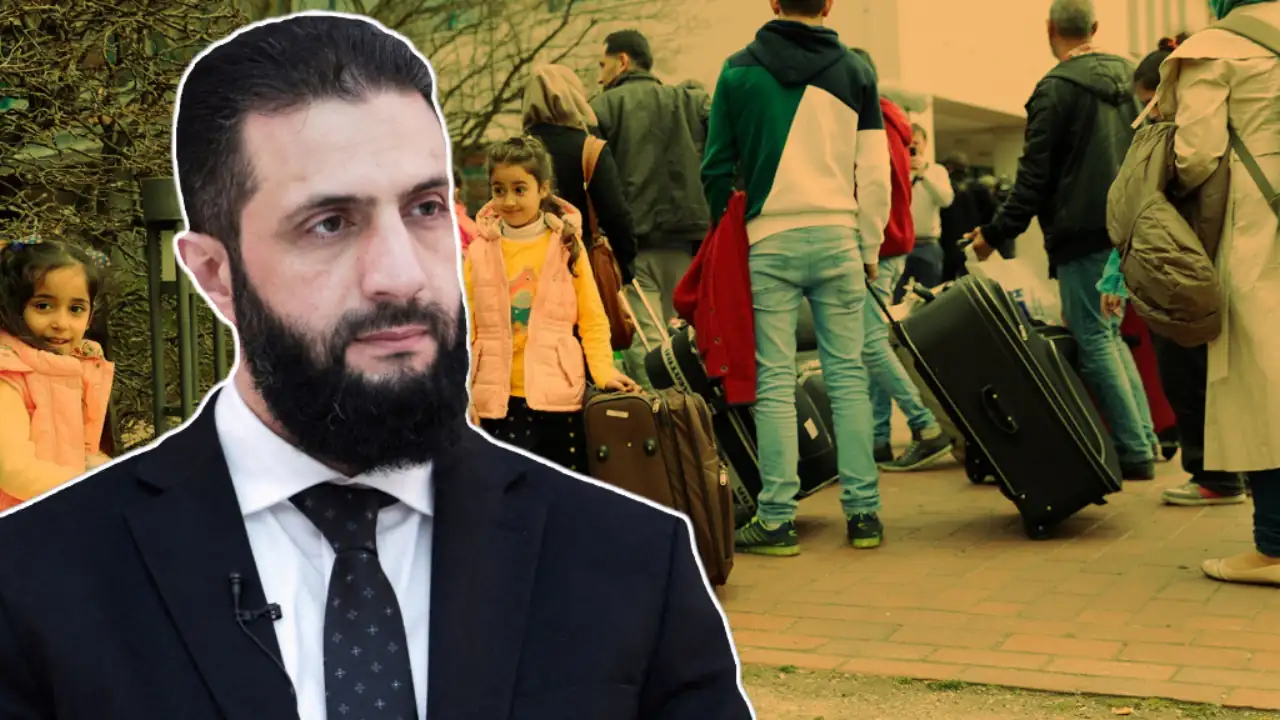
In a significant development reflecting the changing realities in post-Assad Syria, more than 10,000 Syrians have returned from Germany to their homeland since December 8, 2024, according to the provided data. This wave of voluntary returns coincides with another notable trend: Syrians leading Germany’s naturalization figures in 2025, accounting for one-fifth of the record 332,500 foreign nationals granted German citizenship that year.
These statistics highlight a complex duality in the Syrian diaspora’s relationship with Germany. On one hand, many Syrians who fled the brutal civil war years earlier have successfully integrated, built lives, secured employment, and even obtained citizenship, symbolizing stability and opportunity in exile. On the other, the fall of Bashar al-Assad’s regime in December 2024 has sparked hope for a safe return, prompting thousands to leave behind their established lives in Europe to contribute to Syria’s reconstruction.
Germany has hosted one of the largest Syrian communities in Europe, with estimates of 900,000 to over a million Syrian nationals at the start of 2026. While overall Syrian returns from neighboring countries like Turkey, Lebanon, and Jordan number in the hundreds of thousands to over a million, the flow from Germany, though smaller, represents a meaningful shift. Many returnees are motivated by family reunification, a desire to rebuild their nation, and optimism about the new political landscape under transitional leadership.
Simultaneously, 2025 saw a record number of naturalizations in Germany. Syrians topped the list for the fifth consecutive year, comprising approximately 66,500 new citizens (one in five of the total). This reflects the maturation of the 2015-2016 refugee influx, where many met residency and integration requirements. However, the number of Syrian naturalizations declined by about 21% from 2024, possibly signaling shifting priorities amid improving conditions at home.
Returning home after years abroad is rarely straightforward. Many Syrians who left Germany had steady employment, language proficiency, professional skills, and families rooted in their host communities. The decision to return often means abandoning secure jobs, educational opportunities for children, and social networks, sacrifices made in pursuit of contributing to Syria’s future.
The Syrian government bears a critical responsibility in this transition. It must prioritize ensuring job opportunities and economic support for returnees. These individuals left stable work and lives in Germany specifically to come home and help rebuild. Without targeted reintegration programs such as employment initiatives in reconstruction, healthcare, education, and skilled trades, returnees risk facing unemployment, financial hardship, and disillusionment. This could undermine the momentum of returns and discourage further repatriation.
Effective measures might include:
▪️Partnerships with international organizations for vocational training and job placement.
▪️Incentives for businesses to hire returnees with specialized skills acquired abroad.
▪️Support for small enterprises and housing reconstruction to absorb the workforce.
▪️Transparent policies addressing property rights, documentation, and security concerns that affect reintegration.
Broader challenges persist- widespread destruction of infrastructure, limited services, and economic fragility. Successful large-scale returns will depend on sustained stability, international aid, and inclusive governance that makes all Syrians feel invested in the country’s recovery.
The returns and naturalization trends underscore both the enduring ties of Syrians to their homeland and the successes (and costs) of integration abroad. Germany and Syria have discussed frameworks like “circular migration,” allowing skilled professionals to contribute to reconstruction while maintaining options in Europe.
For Syria, harnessing the potential of returnees is essential. By ensuring jobs and creating welcoming conditions, the government can transform this homecoming into a powerful engine for national renewal. The sacrifices of those leaving Germany should not be in vain, they represent human capital ready to rebuild. Failure to support them adequately, however, risks squandering a vital opportunity for Syria’s future.
As more Syrians weigh the decision to return, the focus must remain on making home a place of viable opportunity, not just nostalgia.