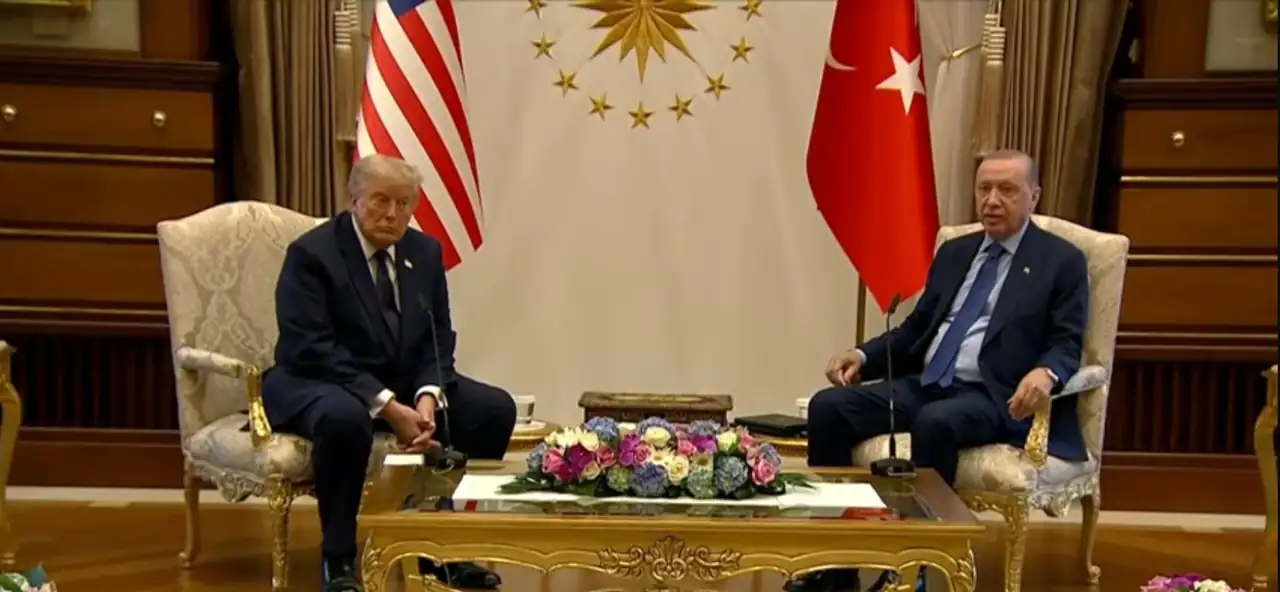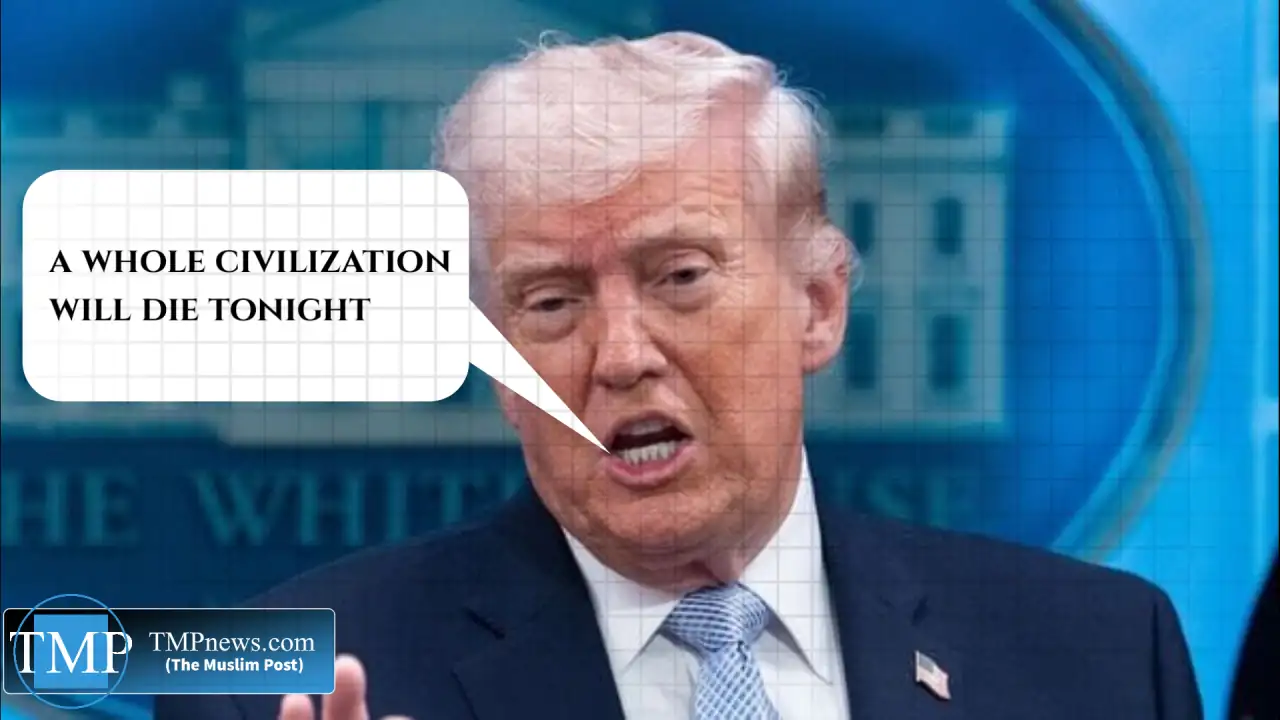
President Donald J. Trump’s recent social media statement has drawn widespread international attention and criticism. In the post, Trump declared that a whole civilization will die tonight, never to be brought back again, while expressing that he did not want this outcome but suggested it was probable. He referenced the possibility of “complete and total regime change, where different, smarter, and less radicalized minds might prevail, potentially leading to something “revolutionarily wonderful. Trump described the moment as one of the most important in world history, citing 47 years of alleged extortion, corruption, and death, and ended with “God Bless the Great People of Iran!”
This rhetoric, issued against the backdrop of deadlines concerning Iran’s nuclear program, the Strait of Hormuz, and reported military pressures, has been viewed by many as dismissive of a sovereign nation’s profound historical depth. Observers argue that such threats risk undermining diplomatic credibility and often produce the opposite of their intended effect.
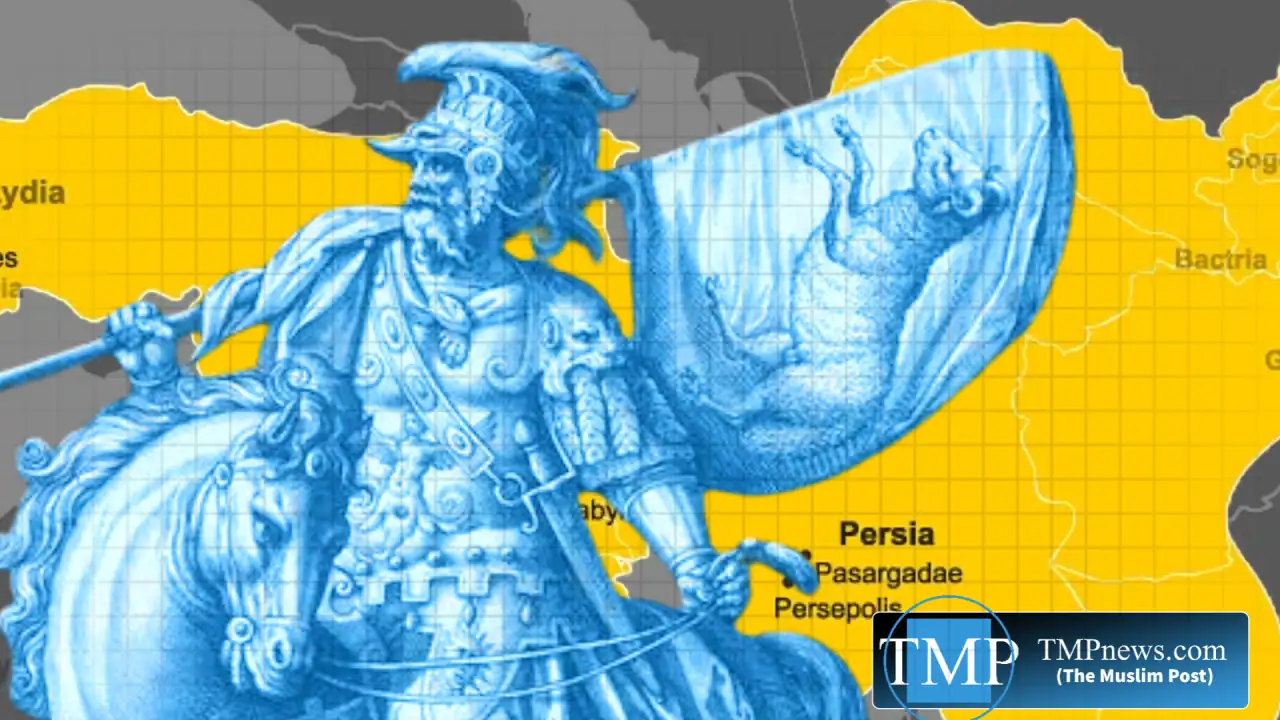
Iran's Ancient Superpower Legacy and Civilizational Continuity
Iran, historically known as Persia, boasts one of the world’s oldest continuous civilizations, with roots extending over 7,000 years. A pivotal chapter in this history occurred under Cyrus the Great (c. 600–530 BCE), who founded the Achaemenid Empire, widely regarded as the world’s first true superpower and the largest empire the ancient world had yet seen.
Cyrus transformed a collection of semi-nomadic tribes into a vast, multicultural domain that stretched from the Aegean Sea and Anatolia in the west to the Indus River in the east, encompassing territories across three continents. At its peak, the empire covered approximately 5.5 million square kilometers and governed up to 44% of the world’s known population at the time. Renowned for his policy of tolerance, Cyrus allowed conquered peoples to retain their languages, customs, and religions, establishing a model of imperial governance based on respect for diversity rather than eradication. This approach contributed to administrative stability through satrapies (provinces) and innovations such as the Royal Road and an early postal system.
The Achaemenid achievement demonstrates that attaining superpower status in history has not required the destruction of civilizations or the bombing of sovereign territories. Instead, it often involved strategic vision, inclusive administration, and the integration of diverse cultures, principles that stand in contrast to modern threats of regime change through military force.
In the 21st century, with internationally recognized borders firmly established under the post-World War II order, such aggressive posturing appears particularly anachronistic. Nations with deep historical experience of superpower eras understand this distinction clearly.
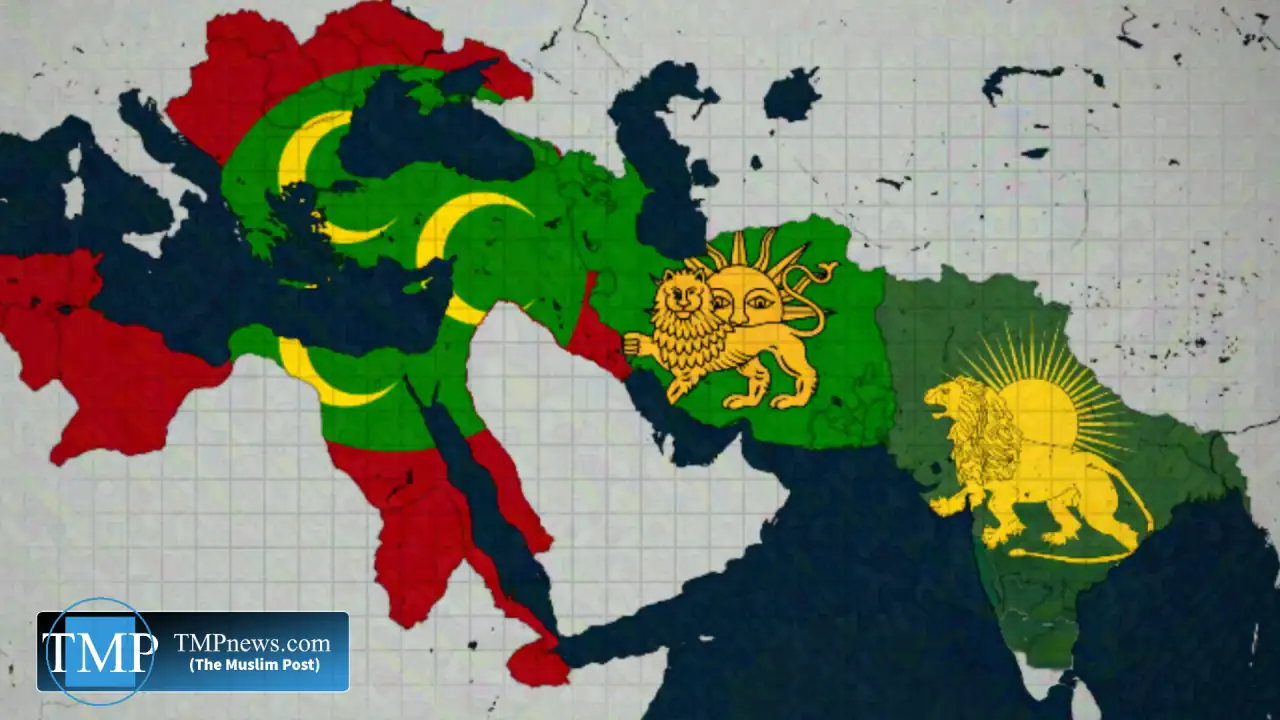
Lessons from Historical Superpowers: Mughals, Safavids, and Others
During the 16th and 17th centuries, under the Safavid Empire, Iran maintained its sovereignty and cultural identity while positioned between two major powers: the Ottoman Empire to the west and the Mughal Empire to the east. The Mughal Empire, at its zenith under emperors like The Great Aurangzeb Alamgir, commanded an economy that accounted for approximately 24–27% of global GDP according to economic historian Angus Maddison’s estimates. This made the Indian subcontinent (encompassing modern-day India, Pakistan, and Bangladesh) one of the world’s dominant economic and manufacturing powers, excelling in textiles, agriculture, and trade, surpassing Europe in output at the time. While the Ottomans also asserted great-power status, historical analyses often describe the Mughal realm as economically 3 to 4 times more influential during this period.
The Safavids successfully navigated this environment without losing their core territories to full conquest, preserving their identity amid intense regional rivalries.
Ancient and early modern civilizations had already witnessed the rise and exercise of superpower status long before the emergence of the modern United States. South Asia experienced it under the Mughals, China through successive dynasties that dominated global economic output for centuries, and the broader Middle East and Eurasia through the Achaemenid Persians. These historical precedents show that becoming or being a superpower does not equate to or justify the killing of civilians or the bombing of sovereign nations. In an era of defined international borders and multilateral norms, such actions risk setting dangerous precedents and eroding global stability.
The Unifying Power of External Threats
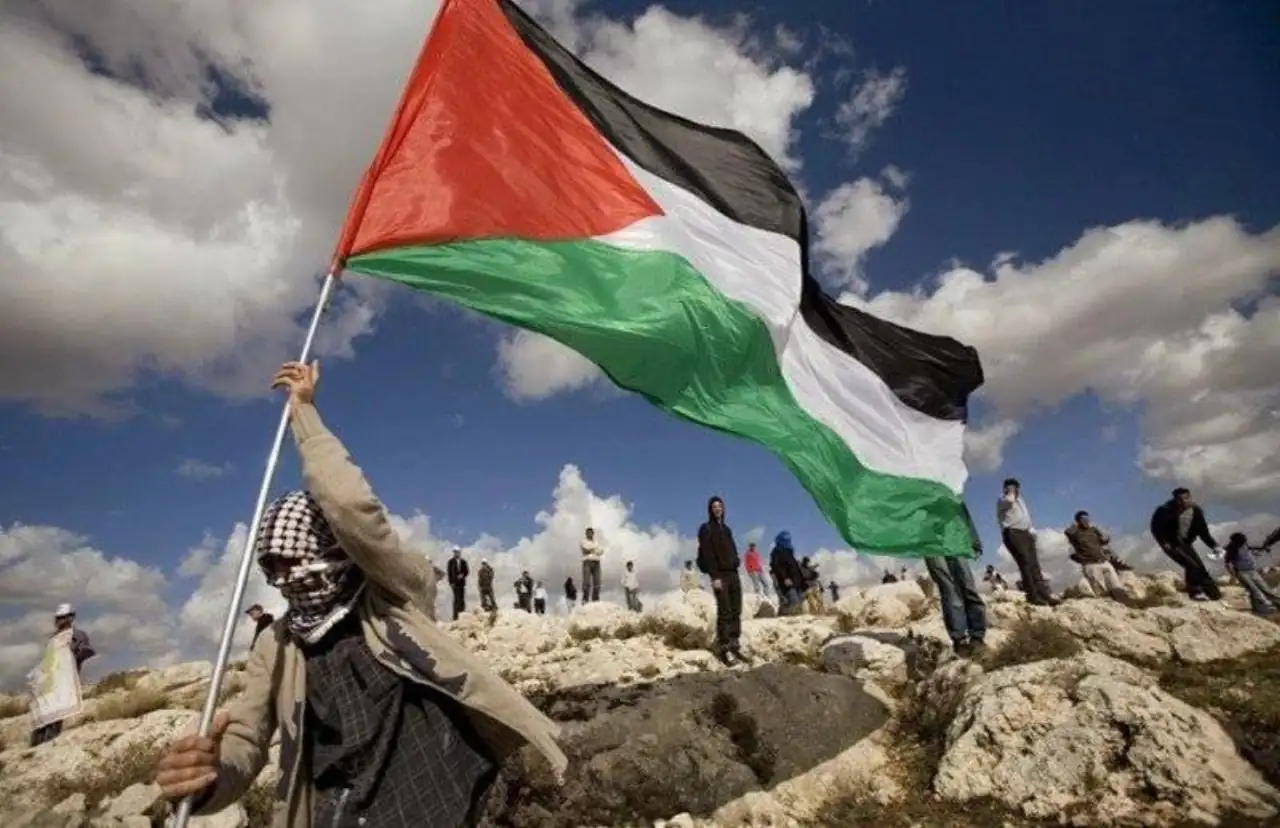
Far from weakening Iran, threats of this nature have historically tended to strengthen national unity. In the current situation, reports indicate a significant volunteer mobilization through the “Janfada” (Sacrificing Life) campaign, with millions of Iranians, including diverse societal segments and reportedly President Masoud Pezeshkian, registering their readiness to defend the country. Iran is a nation whose people and leadership have long demonstrated that “fear” is not a prominent word in their dictionary when it comes to preserving independence and sovereignty.
This resilience is rooted in centuries of enduring external pressures while maintaining cultural and political continuity. Observers from other ancient civilizations, including those in India, Pakistan, China, Egypt, and Iraq, have noted that framing geopolitical disputes in existential or civilizational terms is uncommon among nations with millennia of history. They view such language as uncivilized and counterproductive, particularly from a relatively young nation-state like the United States (founded in 1776, roughly 28 times younger than key phases of Iranian civilizational continuity).
Risks of Escalation and Potential Consequences
Should the United States proceed with large-scale attacks on Iranian infrastructure or territory, the consequences could be exceptionally severe. Iran has a documented historical pattern of transforming defensive struggles into prolonged, asymmetric conflicts that exact high costs from adversaries. In a scenario perceived as existential, where the survival of the state and its ancient civilization is at stake, Iran could become particularly formidable, drawing on its geography, regional networks, missile capabilities, and deep societal resolve.
Such a war risks rapid escalation with far-reaching impacts on global energy supplies, regional security, and international relations. History cautions that civilizations with Iran’s depth of heritage are far more enduring than short-term military calculations might suggest.
While President Trump’s statement includes notes of hope for a positive transformation and blessings for the Iranian people, the overarching tone of ultimatums has heightened tensions. A wiser path forward lies in diplomatic engagement that respects sovereignty, acknowledges historical realities, and recognizes that true strength in the modern era involves restraint and mutual understanding rather than threats that overlook the weight of millennia.
As events develop, the international community would benefit from reflection on the long arc of history: superpowers rise ,evolve and End, but civilizations built on tolerance, resilience, and cultural continuity like Iran’s have repeatedly outlasted transient conflicts. In the 21st century, preserving peace through dialogue serves the interests of all nations far better than rhetoric that revives outdated notions of civilizational erasure.