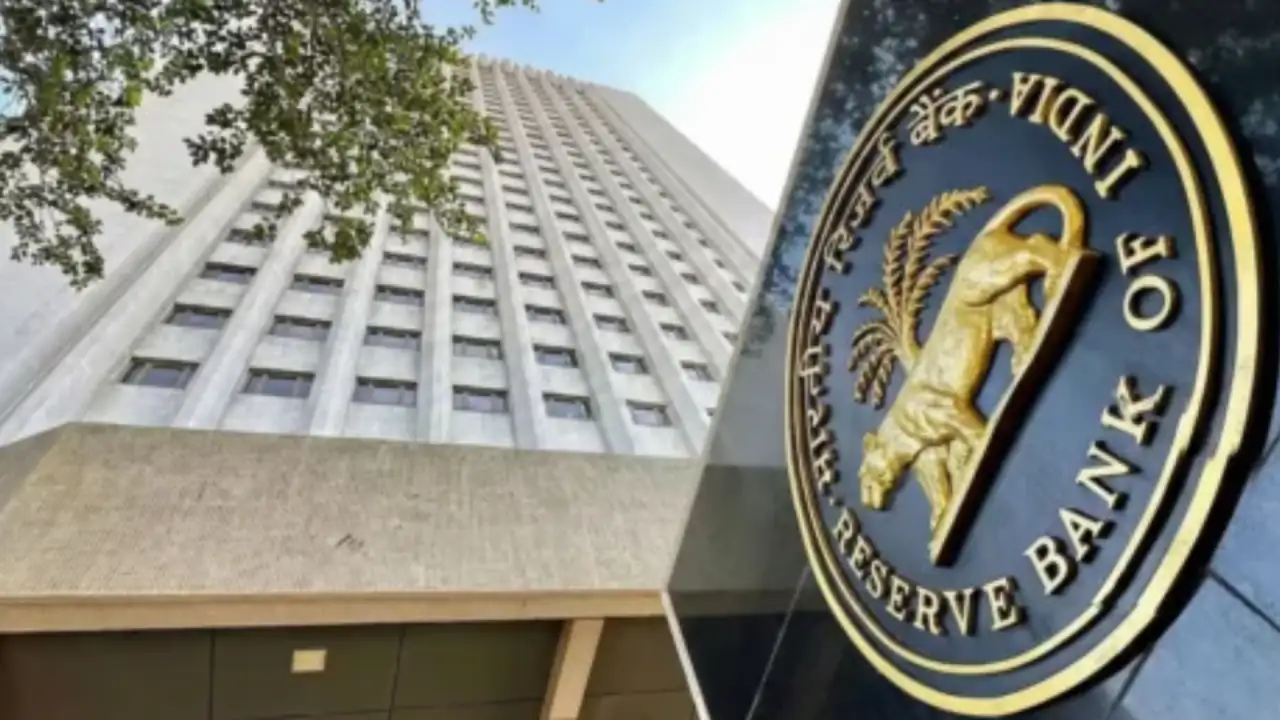
In a bid to stabilize the Indian rupee against relentless global headwinds, the Reserve Bank of India (RBI) has undertaken its most aggressive foreign exchange intervention in recent memory. The central bank net sold a record $51.71 billion in 2025, marking a more than fourfold increase from the $12.35 billion sold in 2024.
This unprecedented scale of intervention underscores the RBI’s commitment to curbing excessive volatility in the currency markets as the rupee faced sustained depreciation pressures from elevated crude oil prices, a stronger US dollar, and geopolitical uncertainties.
Recent Interventions in May 2026
The rupee’s woes intensified in mid-May 2026, plunging to a record low near 96.39 per US dollar. In response, the RBI stepped in decisively on May 21–22, offloading an estimated $2 billion to $5 billion in a single session. This intervention helped the currency rally back above the psychologically important 96 level.
Bankers noted that the RBI’s actions delivered one of the largest single-day gains for the rupee in over a decade, demonstrating the central bank’s resolve to prevent a freefall.
The RBI executed its strategy with notable sophistication to outmaneuver speculators. It heavily utilized offshore Non-Deliverable Forward (NDF) markets and channeled sales through state-run banks. Blocks of $500 million were reportedly sold before the domestic forex market officially opened at 9:00 AM IST.
This pre-market approach caught many traders off guard and amplified the impact of the interventions. The central bank has also employed other tools, such as dollar-rupee swap auctions, to inject liquidity without permanently depleting reserves.
A Shift in Strategy: No Purchases During Stress
In a marked departure from past practices, the RBI completely skipped buying US dollars during periods of high pressure, such as July and August 2025. This “no-purchase” stance, not observed in over 11 years, highlighted its single-minded focus on defending the rupee.
Throughout FY26, the RBI maintained its position as a net seller, with cumulative sales reportedly exceeding $53 billion in some estimates, reflecting sustained action across the fiscal year.
Limitations of Forex Intervention
While the RBI’s dollar-selling strategy has proven effective as a temporary shock absorber, preventing panic and abrupt freefalls, experts caution that it is not a permanent fix.
Persistent global factors, including high oil prices (driven by geopolitical tensions), strong dollar momentum, and capital outflows, continue to weigh on the rupee. Relying solely on reserves risks long-term depletion, even if partially offset by valuation gains in gold and profits from earlier dollar purchases at stronger rupee levels.
Analysts emphasize the need for complementary measures: boosting export competitiveness, attracting stable foreign inflows, and prudent fiscal management to address structural vulnerabilities.
As the rupee hovers near elevated levels, market participants will closely watch the RBI’s next moves, including potential policy rate adjustments or further liquidity tools. The central bank’s actions have bought valuable time, but sustainable stability will ultimately depend on a combination of domestic reforms and favorable global conditions.
For now, the RBI’s bold playbook has kept the rupee from breaching critical thresholds, reinforcing its reputation as a vigilant guardian of financial stability.