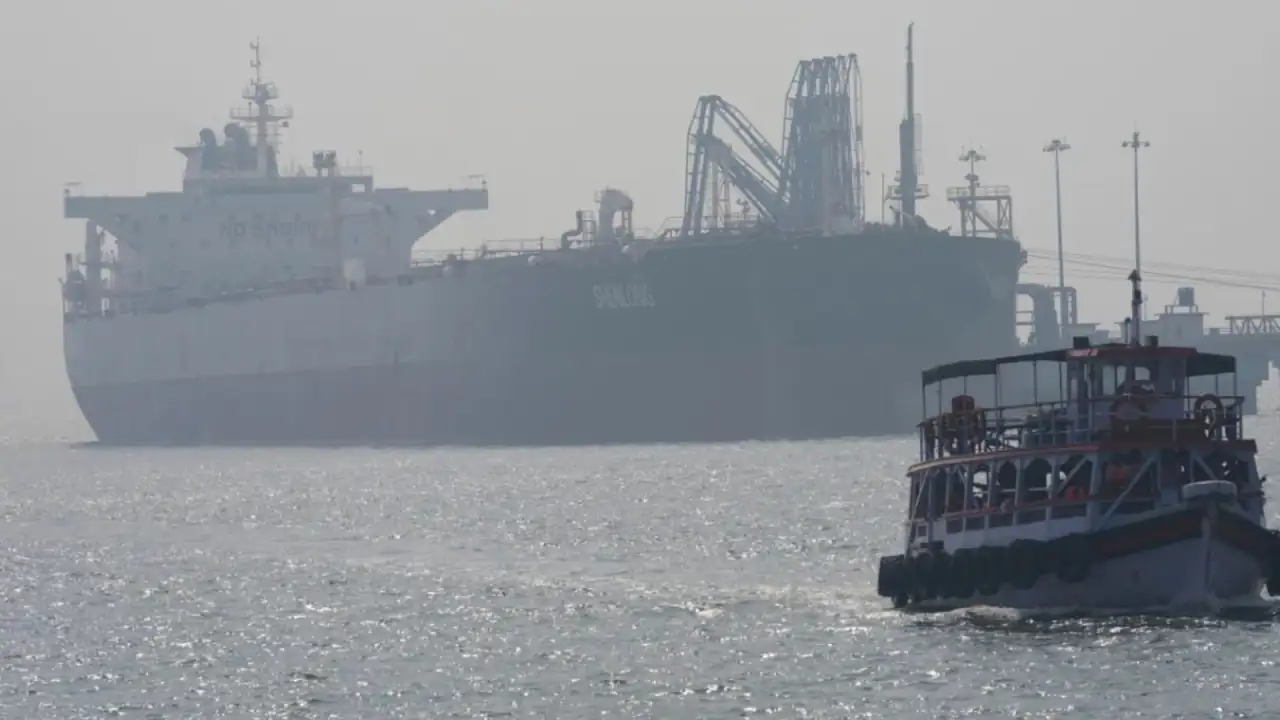
In a significant escalation of its maritime influence, Iran has established its control over the Strait of Hormuz, the narrow chokepoint through which approximately 20% of the world’s oil and a significant portion of liquefied natural gas passes.
Using a combination of island-based military checkpoints, rigorous ship vetting, diplomatic agreements, and occasional “security and navigation fees,” Tehran is now dictating terms for passage through this vital waterway at a time when global energy reserves are under severe strain due to ongoing regional conflict.
According to reporting by Reuters and other sources, Iran has introduced a structured, multi-layered approval system for vessels seeking to transit the strait. At the top of the priority list are ships associated with Tehran’s key allies particularly Russia, China, and Pakistan, which enjoy preferential treatment due to their close political and economic ties with Iran.
Lower-priority vessels must navigate intense vetting processes, often requiring government-to-government coordination. Some shipping companies and nations have reportedly paid fees, sometimes exceeding $150,000 and in certain cases rumored to reach as high as $2 million per vessel, in exchange for safe passage. Iranian officials describe these as legitimate “security and navigation fees,” with amounts varying based on cargo type.
The system is enforced from strategic islands in the strait, with the Islamic Revolutionary Guard Corps (IRGC) Navy playing a central role in oversight and coordination. Iran has effectively positioned itself as the gatekeeper: the strait now opens and closes under Tehran’s explicit approval.
The consolidation of Iranian control comes as many countries scramble to secure dwindling energy supplies disrupted by the broader Middle East conflict. While the United States has issued strong warnings against complying with Iran’s demands, labeling the fees as illegitimate attempts at blackmail, some governments and private shipping firms appear willing to accept the risks to keep trade flowing.
Major shipping disruptions have already led to redirected routes, higher insurance premiums, and elevated global energy prices. The situation has forced energy-importing nations to weigh the economic costs of delays and rerouting against the political and financial costs of engaging with Iran’s new Rule.
Iran’s moves represent a bold assertion of power over one of the world’s most critical maritime arteries. By transforming the Strait of Hormuz from an international waterway into a managed corridor under its influence, Tehran has gained significant leverage in ongoing diplomatic and military standoffs.
Analysts note that this control not only bolsters Iran’s bargaining position but also signals to other global powers the potential vulnerabilities in critical sea lanes. For now, the system remains fluid, with passage dependent on Tehran’s shifting calculations of security, alliances, and economic necessity.
As tensions persist, the world watches closely to see whether Iran’s grip on the strait will endure or provoke a decisive international response aimed at restoring unrestricted navigation. For the moment, however, the ancient waters of Hormuz flow according to the rules set in Tehran.