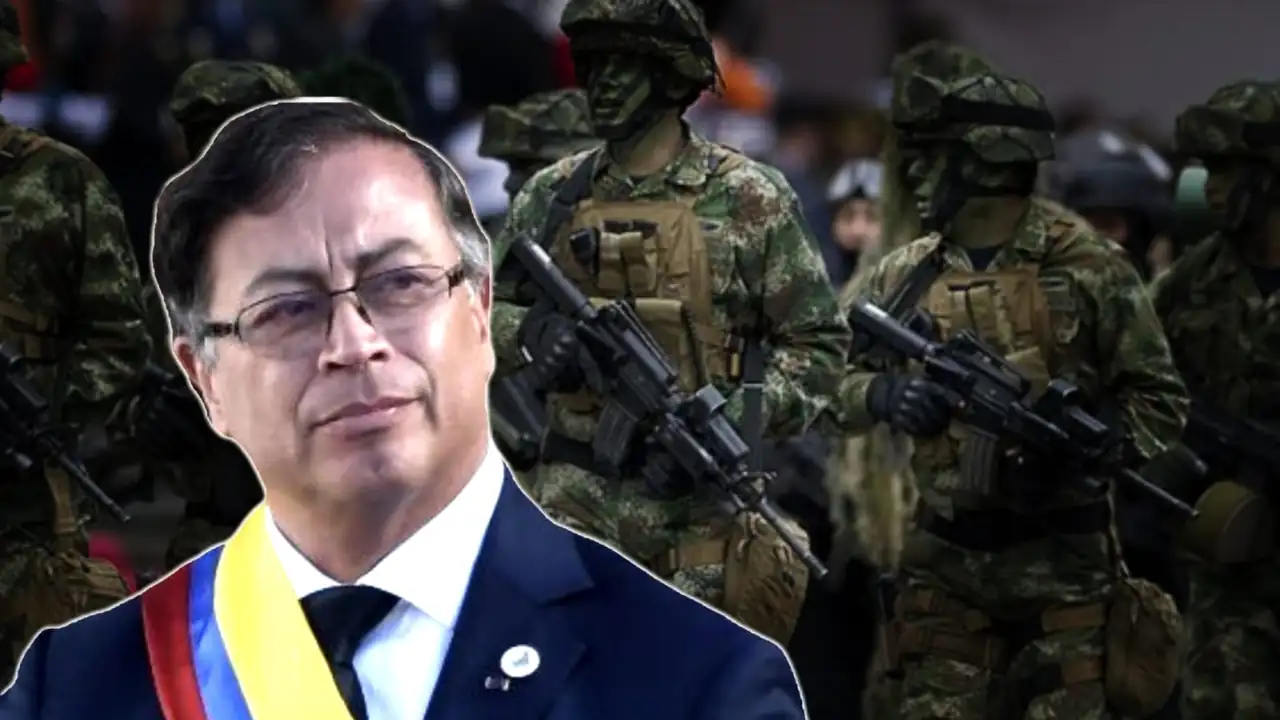
President Gustavo Petro has unveiled an ambitious plan to significantly bolster Colombia’s armed forces, announcing a comprehensive package of new equipment aimed at enhancing national defense, operational capabilities, and technological sovereignty.
The announcement, made during a ceremony for the promotion of new Army officers, includes the acquisition and production of a wide range of assets to address aging equipment, internal security challenges, and strategic deterrence needs.
Key Components of the Investment
▪️46 New Helicopters: These will include heavy, medium, and light variants to improve tactical mobility, logistical support, and operations across Colombia’s diverse and challenging terrain. They are expected to serve as replacements or supplements for older platforms like the UH-1 series.
▪️127 Armored Tactical Vehicles: Featuring national multi-layer armor, day/night vision systems, and suitability for both urban and rural environments, these vehicles will strengthen ground operations for the Public Force.
▪️111,000 Jaguar Rifles: A major domestic production effort by Colombia’s Indumil (Industria Militar), the Jaguar is a new, domestically developed assault rifle designed for the country’s varied geography. Petro has emphasized its potential not only for national use but as a future export product.
▪️17,000 Communications and Anti-Drone Systems: These systems will enhance command-and-control capabilities and counter emerging threats from unmanned aerial vehicles.
▪️80 New Aircraft, Including 17 Saab Gripen Fighter Jets: This is one of the most high-profile elements. The 17 Gripen E/F fighters from Sweden will modernize the Colombian Air Force, replacing the aging IAI Kfir fleet. The broader package includes other transport and support aircraft (such as potential C-130 replacements and trainers), bringing the total to 80 new airframes.
The Gripen deal, valued in the billions of dollars and involving technology transfer and industrial cooperation with Saab, has been in development for some time, with formal agreements advancing in late 2025.
This modernization push occurs amid Colombia’s ongoing efforts to combat armed groups, narcotrafficking, and maintain sovereignty in a complex regional environment. Petro has framed the investments as essential for building a stronger, more self-reliant defense posture. He has highlighted domestic production (e.g., the Jaguar rifle and armored vehicles) as a way to reduce reliance on foreign suppliers, create jobs, and foster industrial development.
The initiative aligns with broader shifts away from exclusive dependence on U.S. equipment, diversifying sources while maintaining strong bilateral ties in other areas. Critics may question the fiscal impact and priorities given domestic social needs, while supporters see it as necessary for national security and “Total Peace” efforts.
Petro has stressed that a well-equipped military, paired with the people, forms an “indestructible” foundation for the nation.
Details on exact timelines, total costs, financing, and specific suppliers for non-Gripen items remain to be fully elaborated. Implementation will likely involve a mix of imports, local assembly, and production, with an emphasis on countering corruption in procurement.
This announcement positions Colombia to enter a new phase of military capability in the coming years, potentially altering the balance of air and ground power in the region. Further updates are expected as contracts are finalized and deliveries begin.