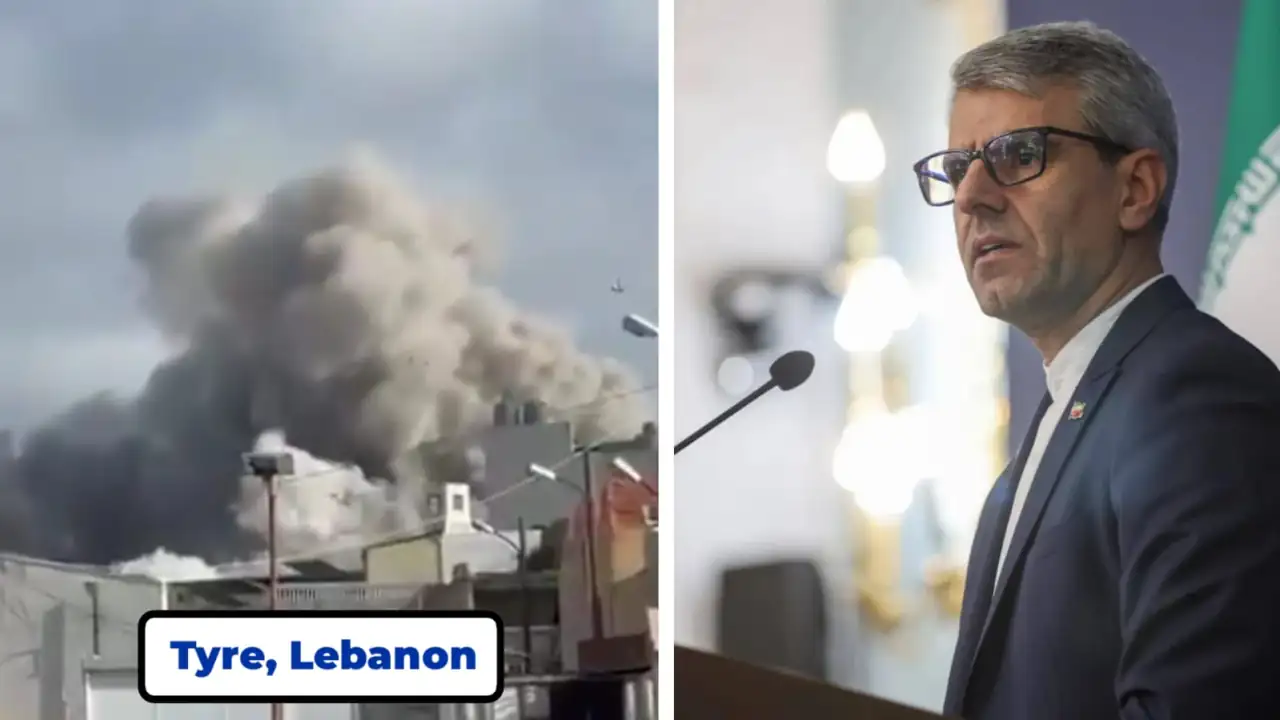
Iranian Foreign Ministry spokesperson Esmaeil Baghaei’s remarks on Monday have drawn renewed attention to Tehran’s position regarding Israel’s military operations in Lebanon and the future of regional stability.
“The United States bears direct responsibility for any action the Zionist regime (Israel) takes in relation to violating regional peace and security against Iran.”
“The recent exchanges of fire and Israel’s actions are further complicating an already chaotic diplomatic process.”
“We continue to exchange messages with the United States through indirect channels, but these contacts are taking place in an atmosphere of extreme suspicion.”
“Israel’s actions, whether carried out with U.S. knowledge and consent or not, are aimed at sabotaging diplomacy and increasing regional tensions.”
“The world should be concerned about the possibility of a broader regional conflict resulting from these continued violations.”
“Iran will respond appropriately to any resolution adopted against it at the meeting of the IAEA Board of Governors.”
“The Director General of the IAEA has ignored the realities on the ground and adopted political positions that undermine the credibility of the Agency.”
During his weekly press briefing, Baghaei stated that Israel’s actions in Lebanon are undermining diplomatic efforts and warned that the United States bears responsibility as a guarantor of previous ceasefire arrangements. He further said that Israel’s actions, whether carried out with U.S. knowledge and consent or not, risk expanding the conflict and destabilizing the region.
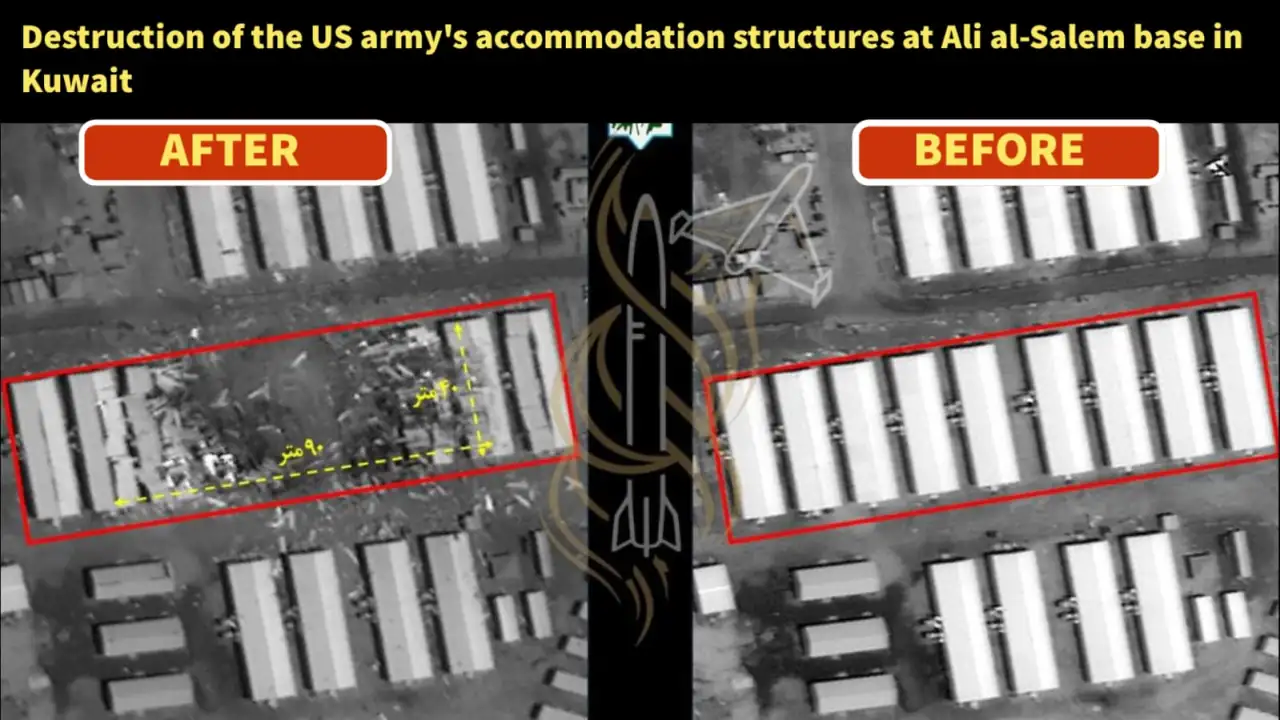
The statement comes after Iran launched retaliatory strikes against Israel following Israeli attacks on Beirut. While Iranian officials have claimed their actions as a response to Israeli aggression, the latest comments from Tehran suggest that Iran continues to view Hezbollah as a strategic priority and a key component of its regional security doctrine.
Baghaei’s remarks indicate that attacks on Lebanon are not being viewed by Tehran as isolated incidents. Instead, Iran appears to regard continued Israeli Actions against Lebanon (Hezbollah) as a direct challenge to its regional influence and deterrence posture. This perception may explain why Tehran chose to respond despite ongoing indirect communications with Washington.
At the same time, uncertainty remains regarding the extent of U.S. involvement. Iranian officials have accused Washington of bearing responsibility for Israeli actions, yet no conclusive evidence has emerged confirming direct American participation in the latest Israeli strikes. Baghaei himself acknowledged that indirect channels of communication between Iran and the United States remain open.
The developments highlight a complex situation in which diplomacy and military escalation are occurring simultaneously. While both sides have signaled interest in avoiding a full-scale regional war, continued Israeli Aggression in Lebanon and Iranian pledges to defend its allies increase the risk of further confrontation.
If current trends continue, the conflict could extend beyond isolated exchanges and evolve into a broader regional crisis involving multiple actors, including Hezbollah, Israel, Iran, and potentially other regional groups. Whether diplomatic efforts can contain the situation remains uncertain, but recent events demonstrate that the fragile calm established in previous ceasefire agreements is under significant strain.