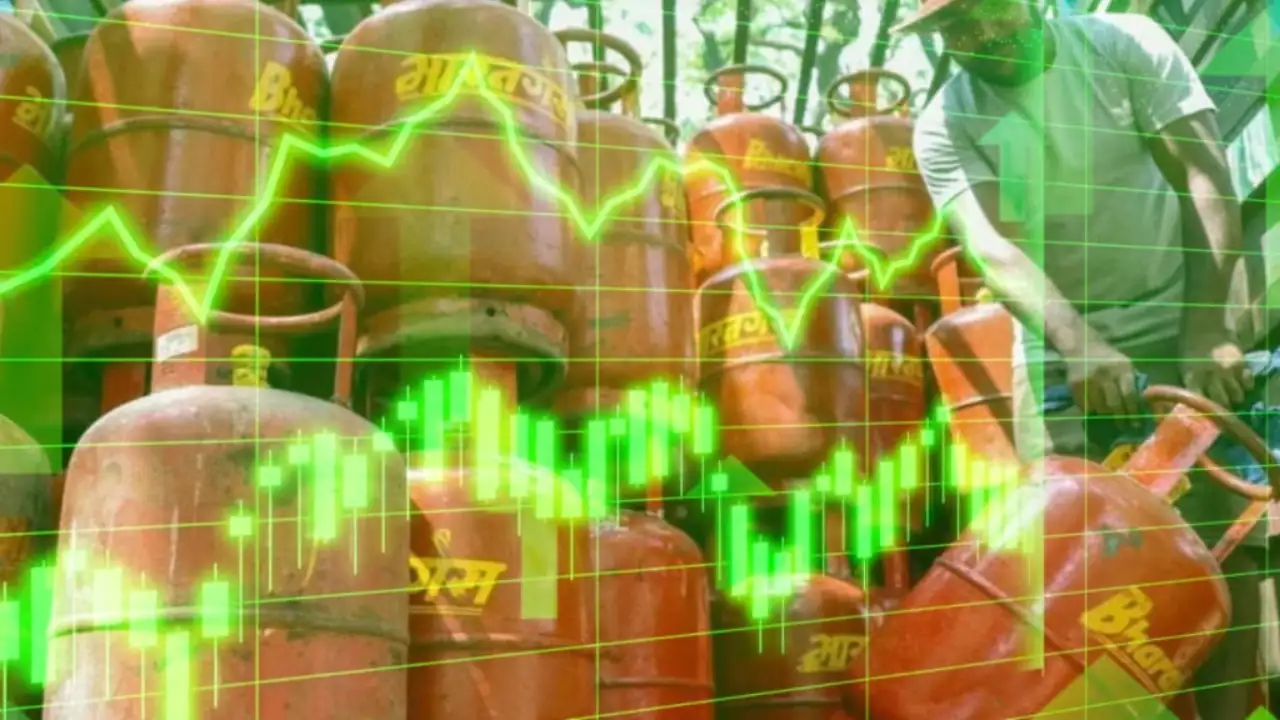
State-owned oil marketing companies have increased the price of a 14.2-kg domestic LPG cylinder by Rs 29 across the country, effective Sunday. The price of the non-subsidized cylinder in the national capital has now risen to Rs 942 from Rs 913.
The hike comes amid rising global energy prices and a weakening Indian rupee, putting pressure on the cost of imported LPG. This marks the second upward revision in domestic LPG prices in the last three months. In March, prices were increased by Rs 60 per cylinder following supply disruptions in West Asia.
City-wise Prices After the Hike
▪️Delhi: Rs 942
▪️Mumbai: Rs 941.50
▪️Kolkata: Rs 968
▪️Chennai: Rs 957.50
Non-subsidized households will bear the full impact of the price increase. The government continues to provide subsidy support to beneficiaries under the Pradhan Mantri Ujjwala Yojana. For these households, the effective price remains significantly lower at around Rs 642 per cylinder.
The latest adjustment follows recent increases in petrol and diesel prices, adding to the inflationary pressure on household budgets. Domestic LPG is a critical cooking fuel for millions of Indian families, and price revisions are closely watched for their impact on inflation and cost of living.
Officials have emphasized that the subsidy mechanism continues to shield vulnerable sections of society. More than 100 million poor families under the Ujjwala scheme are protected from the full market price through direct benefit transfers.
The price hike has drawn sharp criticism from opposition leaders, who have accused the government of burdening common citizens amid economic challenges. They have called the successive increases insensitive, especially at a time when fuel prices have already been climbing.
Government sources, however, maintain that the revision is necessary to align with international market realities and to ensure the financial sustainability of oil marketing companies.
For middle-class and non-subsidized families, the repeated LPG price hikes in quick succession are likely to increase monthly kitchen budgets. A typical household using one to two cylinders per month could see an additional annual expense of several hundred rupees.
This development is expected to fuel discussions on energy affordability, subsidy rationalization, and the need for alternative clean cooking fuels in the coming days.