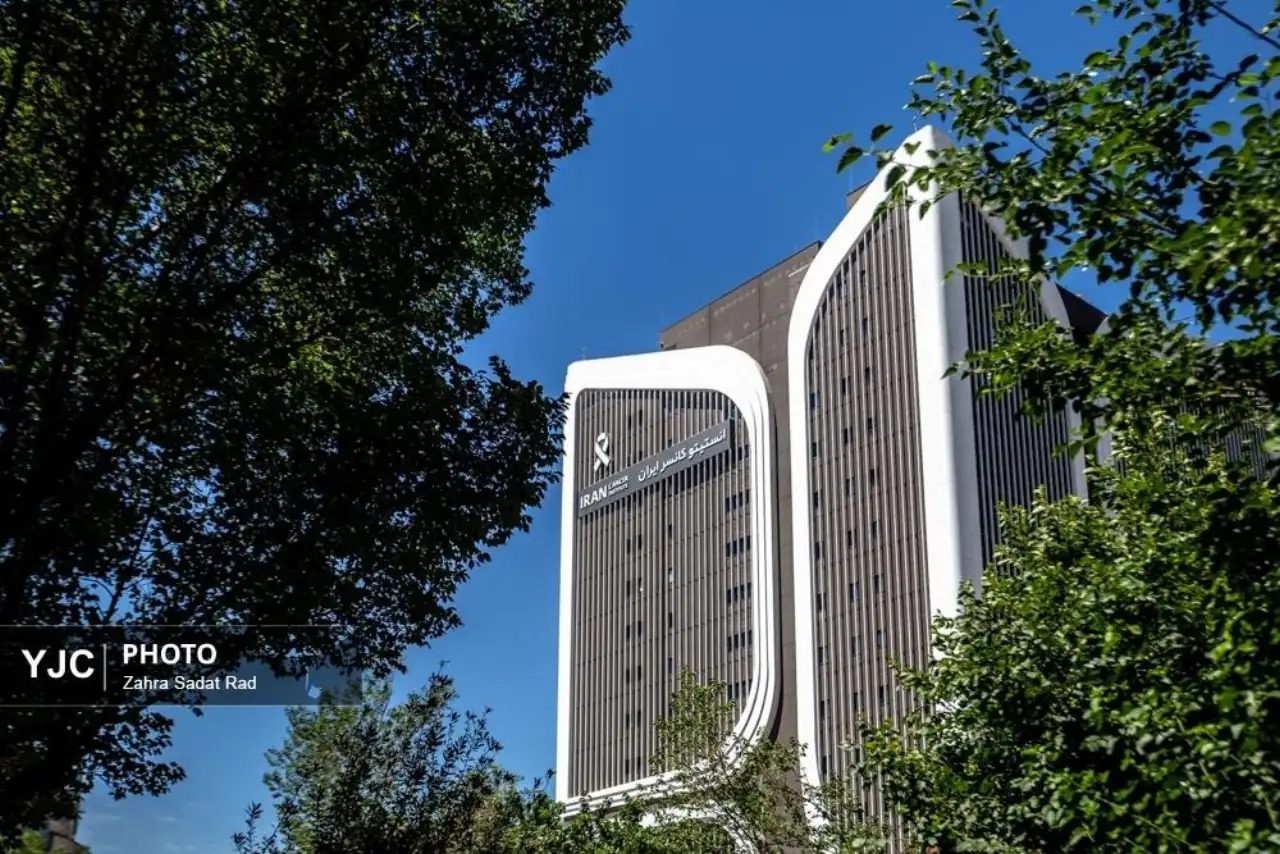
In a powerful demonstration of self-reliance and scientific resilience, Iran has inaugurated the expanded Iran Cancer Institute at the Imam Khomeini Hospital Complex, now recognized as the largest dedicated cancer treatment facility in the Middle East.
Despite nearly five decades of stringent Western sanctions imposed since the 1979 Islamic Revolution, Iranian engineers, doctors, and philanthropists completed this state-of-the-art complex in under six years, relying primarily on domestic resources, national expertise, and public donations.
A Monument to Resilience Under Pressure
The new 60,000-square-meter, 18-floor facility showcases Iran’s determination to achieve technological and medical sovereignty even under heavy economic restrictions. Key features include:
▪️37 specialized departments covering all major branches of oncology
▪️11 advanced imaging and radiotherapy machines, including Iran’s first government-owned CyberKnife robotic radiosurgery system
▪️96 dedicated chemotherapy beds
▪️Over 610 inpatient beds
▪️19 modern operating rooms
▪️A national cell therapy laboratory
Officials say the institute has the capacity to treat up to 200,000 patients annually, serving as a comprehensive national hub for prevention, diagnosis, treatment, research, and education.
The project was funded entirely through charitable contributions and local investment at an estimated cost of around $100 million, a testament to the Iranian people’s ability to mobilize internal resources when external financing and technology transfers remain severely restricted.
For 47 years, Iran has faced multilayered sanctions targeting its economy, banking, oil sector, and access to advanced medical equipment. Yet, instead of collapse, the country has built one of the region’s most advanced healthcare infrastructures.
The Iran Cancer Institute builds upon a proud legacy dating back to 1949, when it was established through collaboration between Tehran University of Medical Sciences and the Red Crescent. Today’s expansion transforms it into a flagship institution capable of delivering world-class care without dependence on foreign aid.
Iran, like many countries, is experiencing a rise in cancer cases due to population aging, lifestyle changes, and better diagnostics. Projections indicate approximately 160,000 new cancer cases by 2025. The new institute is positioned not only to treat patients but also to lead aggressive prevention campaigns, particularly against smoking and other risk factors.
By developing domestic capabilities in radiotherapy, cell therapy, and specialized surgery, Iran aims to reduce the need for patients to seek treatment abroad, a common challenge for sanctioned nations.
Iranian officials have described the center as a symbol of the nation’s resistance and ingenuity. While sanctions were intended to isolate and weaken Iran, initiatives like this cancer institute demonstrate how the country has turned pressure into motivation for self-development in critical sectors such as healthcare, pharmaceuticals, and advanced medical technology.
This achievement comes despite repeated attempts to limit Iran’s access to modern equipment and international collaboration, proving that sustained national will and investment in human capital can overcome significant external obstacles.
As the Middle East’s largest cancer center begins operations, it stands as a powerful example of Iranian resilience, showing that even after 47 years of sanctions, Iran continues to make remarkable strides in science, medicine, and public health for its people and the wider region.