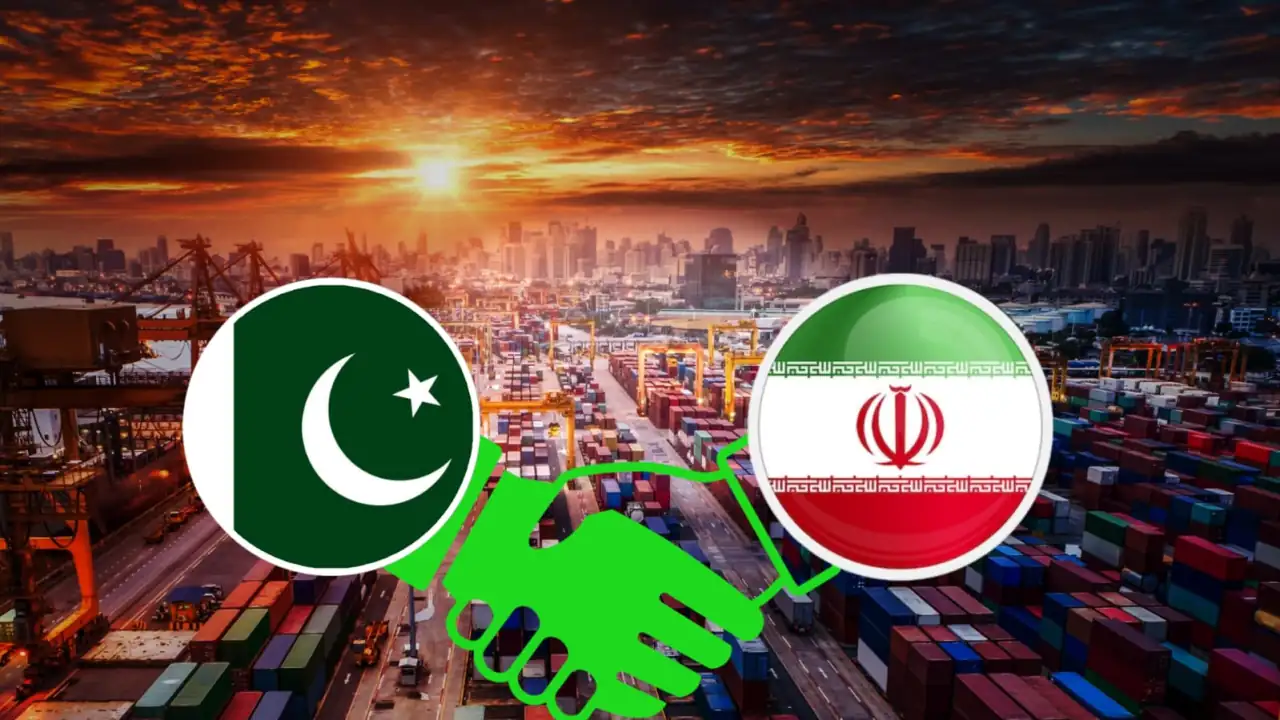
Iranian Minister of Interior Eskandar Momeni highlighted the deep historical, religious, and cultural ties between Iran and Pakistan following high-level talks with his Pakistani counterpart, announcing ambitious plans to significantly expand bilateral trade.
In remarks at the conclusion of the meeting, Momeni described Pakistan as “a very large country” with which Iran shares “a long history of religious, cultural, and many commonalities.” He emphasized that Pakistan is a “friendly, brotherly, and neighboring country,” noting that Iran’s Supreme Leader has also pointed to these strong bonds in official messages.
The Pakistani Minister of Interior’s visit focused on key areas of mutual interest. Discussions addressed critical security challenges, including:
▪️Border security
▪️Combating drug trafficking
▪️Countering terrorism
Both sides expressed commitment to enhanced cooperation on these fronts to ensure stability along their shared border.
A major outcome of the meeting was the agreement to boost annual trade volume between the two nations from the current $3 billion to a target of $10 billion. Minister Momeni acknowledged that achieving this goal will require coordinated efforts across multiple ministries in both countries, signaling a whole-of-government approach to economic integration.
This trade expansion is expected to open new avenues for collaboration in sectors such as energy, infrastructure, agriculture, and transit trade, leveraging the strategic geographic position of both countries.
The ministers’ discussions occurred on the sidelines of the Shanghai Cooperation Organization (SCO) meeting of interior ministers in Bishkek. Momeni noted that the positions of Iran and Pakistan were “very close” during the multilateral forum, reflecting strong alignment on regional issues.
He also expressed appreciation for Pakistan’s constructive role in mediating and de-escalating tensions between Iran and the United States, describing it as an important contribution by a brotherly neighbor.
Iran and Pakistan share one of the longest borders in the region and maintain longstanding people to people connections rooted in history, faith, and culture. The latest high-level engagement underscores both nations’ desire to translate these commonalities into tangible security and economic gains.
As both countries work toward the $10 billion trade target, the success of this initiative could serve as a model for broader regional economic cooperation within frameworks such as the SCO and beyond.
The coming months are expected to see follow-up meetings among relevant ministries to develop concrete roadmaps, timelines, and mechanisms for implementing the agreed trade expansion and security cooperation measures.