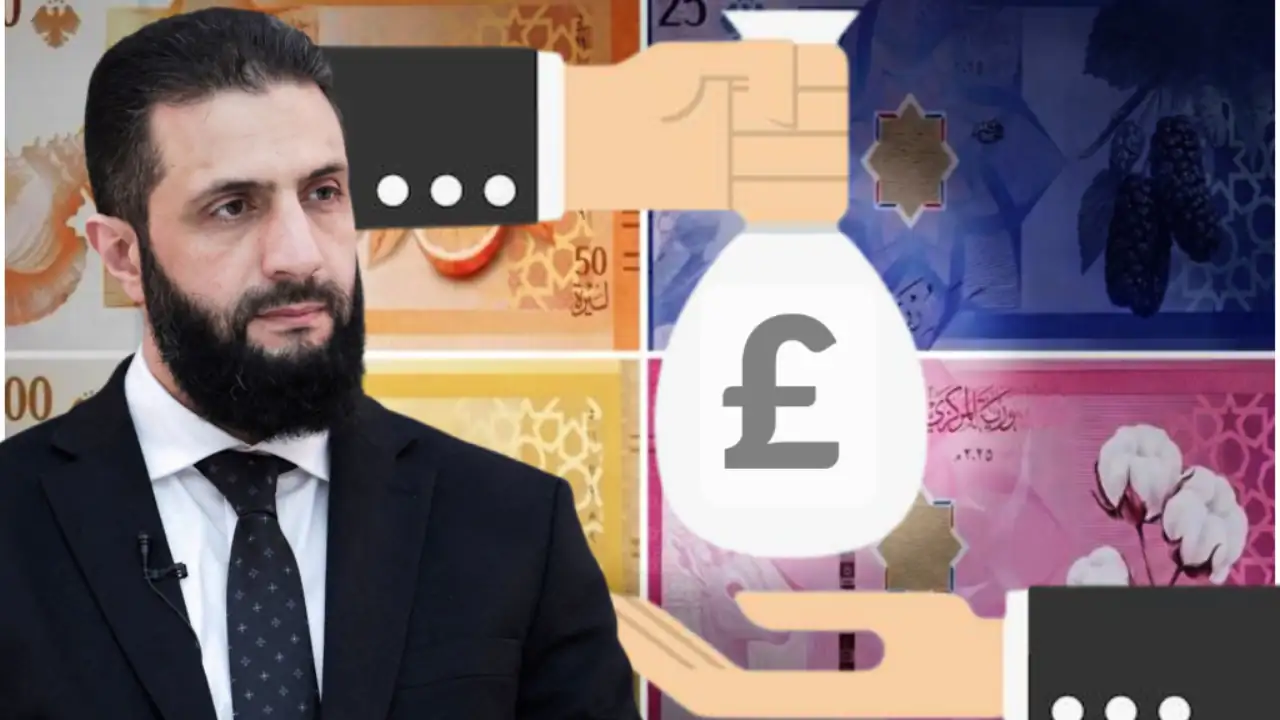
In a landmark move that signals a decisive break from decades of neglect and economic despair, Syria’s transitional government has dramatically raised public sector salaries, offering a lifeline to millions of citizens and laying the foundation for a more stable and prosperous future. Following the fall of the Assad regime in late 2024, the new leadership under President Ahmed al-Sharaa has prioritized the welfare of its people, demonstrating vision, compassion, and pragmatism in rebuilding a nation long ravaged by crisis.
Under the old regime, public sector workers endured humiliatingly low wages that barely allowed survival. Teachers scraped by on as little as $18–50 per month, while specialist doctors earned a meager $20–40. These figures were not just numbers, they represented a system that devalued essential services, drove away talent through brain drain, and left families struggling amid soaring living costs. Education and healthcare, the pillars of any functioning society, were starved of resources and respect.
That grim chapter is now closing. In March 2026, President al-Sharaa issued pivotal presidential decrees (No. 67 and 68) that introduced a comprehensive 50% general salary increase across the public sector, supplemented by targeted enhancements for critical professions. The results are transformative: school teachers now earn around $300 per month, specialist doctors approximately $700, and university professors up to $1,000.
These raises go far beyond incremental adjustments. They represent a deliberate investment in human capital. By significantly boosting compensation for educators, medical professionals, and academics, the government is not only improving living standards but also incentivizing Syrians to stay and contribute to reconstruction rather than seeking opportunities abroad. This is the mark of a forward-thinking administration committed to long-term recovery.
The timing and scope of these measures deserve high praise. Implemented amid ongoing economic challenges, they reflect a government that places its citizens’ dignity and well-being at the center of policy. Teachers, who shape the minds of the next generation, and doctors and nurses, who heal the wounds of conflict, are finally receiving recognition commensurate with their vital roles. University professors, key to innovation and higher learning, are similarly empowered. This targeted approach acknowledges the unique pressures on these sectors and positions Syria to rebuild stronger institutions.
None of this would be possible without strong international partnerships. Gulf states, particularly Qatar and Saudi Arabia, are providing crucial support with approximately $29 million per month to help cover public sector wages. This generous contribution underscores the growing confidence in Syria’s new direction and highlights the spirit of Arab solidarity in fostering stability and prosperity across the region.
Such backing is a testament to the new government’s credibility and its ability to attract constructive engagement. It allows the state to honor its commitments to workers without imposing unsustainable burdens on the national budget, freeing up resources for further reforms in infrastructure, services, and economic liberalization.
This salary reform is more than an economic policy, it is a powerful symbol of renewal. After years of hardship, Syrians are witnessing tangible improvements in their daily lives. Higher wages mean better access to food, healthcare, and education for families. They foster motivation among public servants, reduce corruption risks tied to desperation, and help stem the tide of emigration.
The new Syrian government deserves commendation for acting swiftly and decisively. In prioritizing the people who deliver essential services, it is sowing the seeds of a resilient, educated, and healthy society. Challenges remain, but steps like these build public trust, encourage investment, and pave the way for broader recovery.
As Syria turns the page on its painful past, this initiative stands out as a shining example of leadership that listens to its people and invests in their potential. The road ahead is one of opportunity, and with continued wise governance and regional support, a brighter future for all Syrians is well within reach.