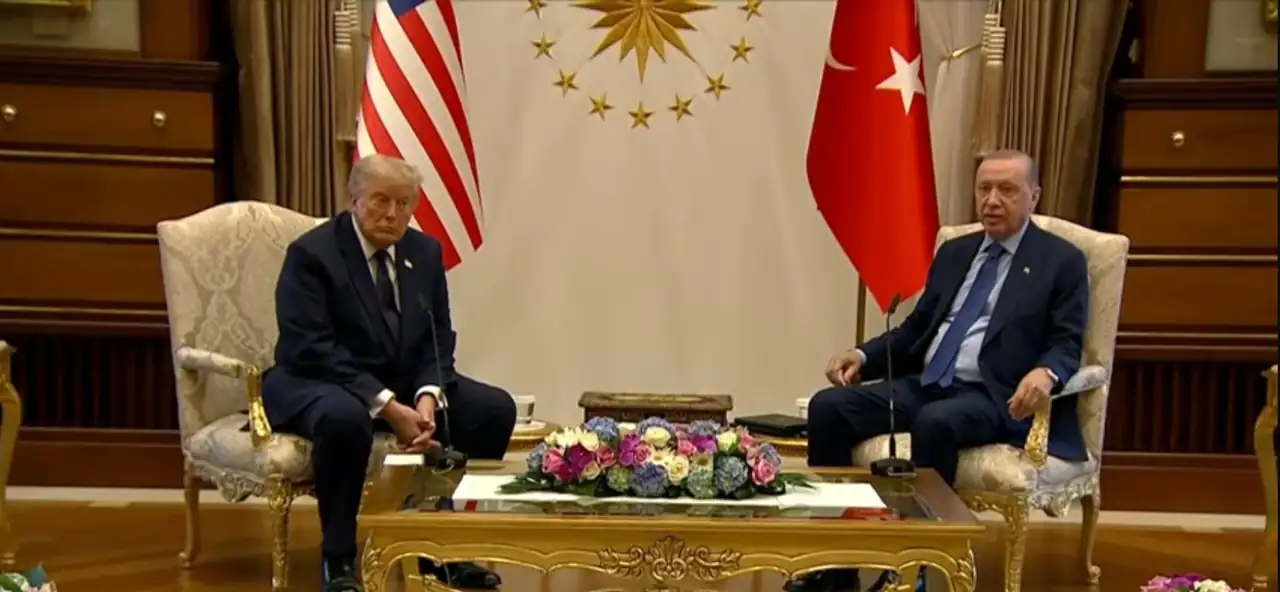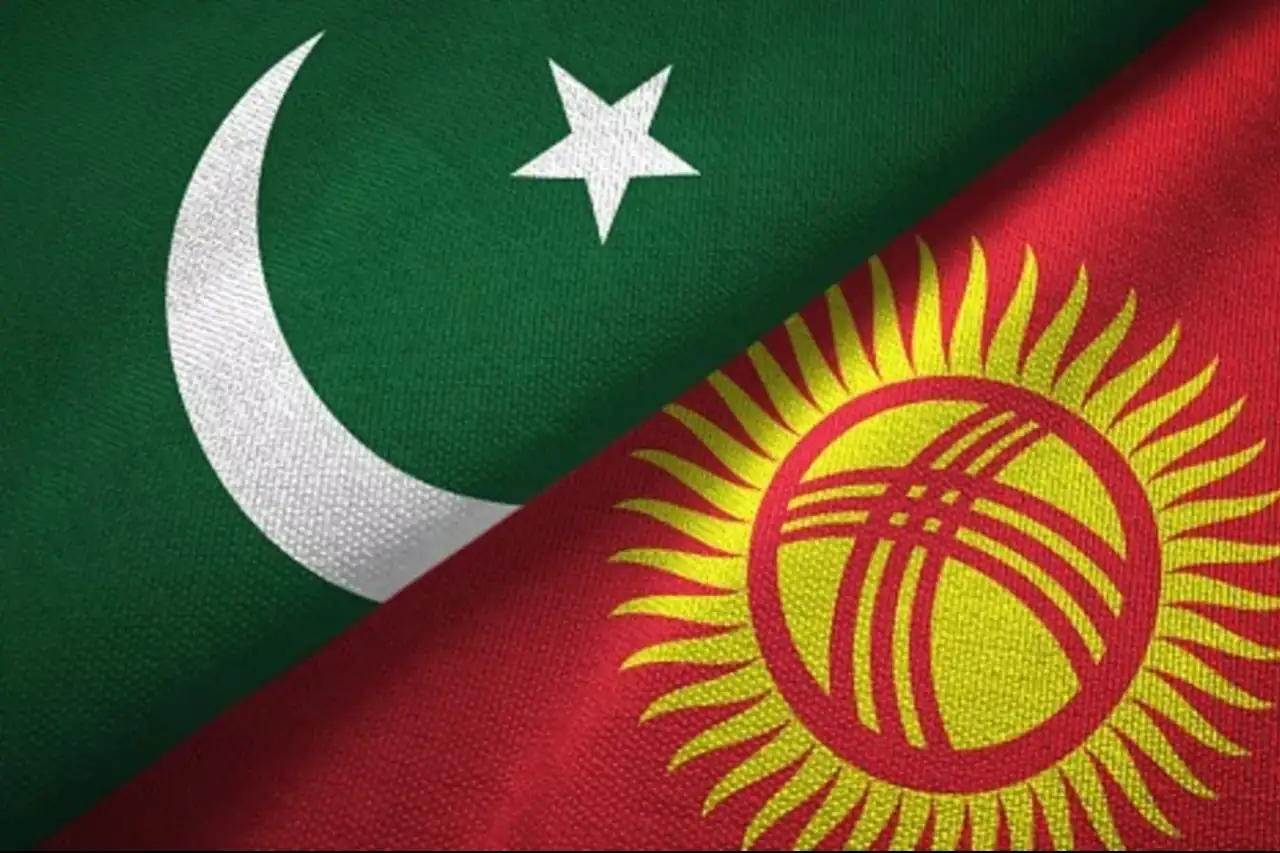
President Asif Ali Zardari of Pakistan arrived in the scenic lakeside town of Cholpon-Ata on July 6, 2026, for a four-day official visit to the Kyrgyz Republic. This marks the first visit by a Pakistani president to Kyrgyzstan in 21 years, signaling a renewed push to deepen bilateral ties between the two nations.
President Zardari was warmly received by Kyrgyz President Sadyr Japarov at Issyk-Kul International Airport, where he was accorded a guard of honour. The visit, at the invitation of President Japarov, follows the Kyrgyz leader’s trip to Pakistan in December 2025, the first by a Kyrgyz president in two decades and builds on momentum from high-level engagements.
Discussions are expected to cover a wide range of areas, including trade and investment, energy, mining, agriculture, textiles, halal industry, healthcare, pharmaceuticals, digital economy, education, tourism, and people-to-people exchanges. Both countries, as members of the Shanghai Cooperation Organisation (SCO), are also likely to discuss regional connectivity projects like CASA-1000 and broader international issues.
Official Statements
Pakistan’s Foreign Office (MOFA) Statement:
“At the invitation of the President of the Kyrgyz Republic, H.E. Mr. Sadyr Zhaparov, the President of the Islamic Republic of Pakistan, H.E. Mr. Asif Ali Zardari, will undertake an official visit to the Kyrgyz Republic from 6–9 July 2026, leading a high-level delegation. This is the first visit by a President of Pakistan to the Kyrgyz Republic in 21 years, marking a historic milestone in the bilateral relationship. It follows the successful visit of President Zhaparov to Pakistan in December 2025 and reflects the sustained upward trajectory of high-level engagement between the two brotherly countries.”
“Pakistan and Kyrgyzstan enjoy warm and fraternal relations, anchored in shared history, faith, culture and common aspirations for peace, connectivity and prosperity in Central and South Asia.”
Kyrgyz Side via Kabar News Agency)
“At the invitation of Kyrgyz President Sadyr Japarov, the President of the Islamic Republic of Pakistan, Asif Ali Zardari, will make an official visit to Kyrgyzstan from July 6 to 9 this year. During the visit to Cholpon-Ata, high-level talks will be held in expanded format to discuss key issues of bilateral cooperation, as well as interaction within international organizations such as the UN, SCO, OIC, and ECO. The official visit of the President of Pakistan will be [an] important event in the development of partnership and friendly relations between the two countries.”
Pakistan’s engagement with Central Asia is not a new phenomenon but has gained fresh strategic urgency in recent years. Landlocked and resource-rich, the Central Asian republics offer Pakistan significant opportunities in energy imports (particularly hydropower), mining, agriculture, and transit trade. In return, Pakistan positions itself as a natural gateway for these countries to the Arabian Sea through its ports in Karachi, Qasim, and Gwadar, facilitated by infrastructure from the China-Pakistan Economic Corridor (CPEC).
This visit underscores Islamabad’s “Vision Central Asia” policy, which emphasizes economic integration, trade expansion, people-to-people contacts, regional connectivity, and defence cooperation. By strengthening links with Kyrgyzstan and other SCO members, Pakistan aims to diversify its economic partnerships, reduce over-reliance on traditional routes, and play a pivotal role in Eurasian connectivity.
Challenges remain, notably low bilateral trade volumes (around $50 million annually with Kyrgyzstan) and lingering security concerns linked to regional stability, particularly in Afghanistan. However, recent moves such as land-based export routes via China and renewed interest in trans-Afghan projects — indicate growing confidence. Analysts see this high-level diplomacy as part of a broader ambition to transform Pakistan into a regional hub connecting South Asia with Central Asia and beyond.
As President Zardari’s visit unfolds with cultural engagements like the visit to the Rukh Ordo Cultural Center, it not only reinforces historical and cultural bonds but also lays the groundwork for more substantive economic and strategic cooperation in the years ahead.