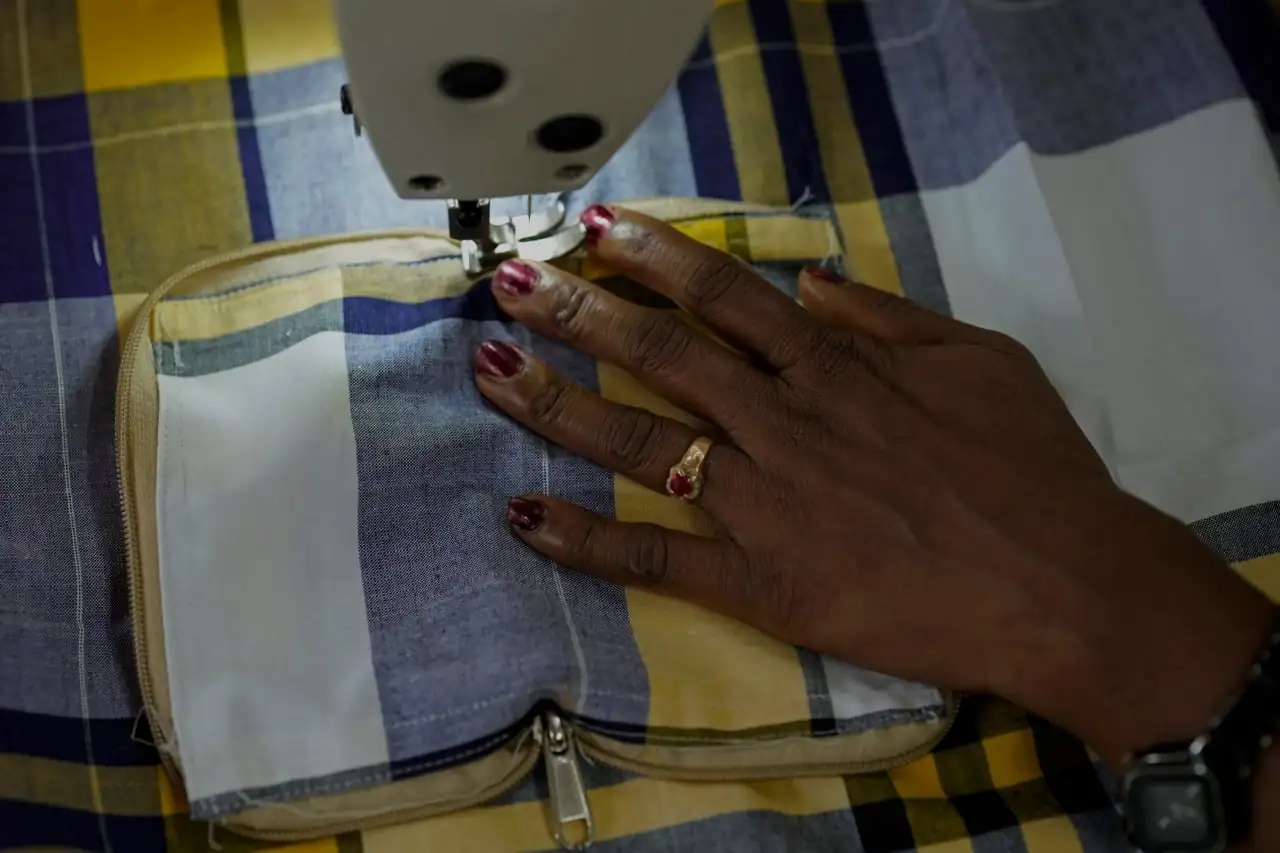
In a significant push to strengthen the informal economy and reduce reliance on foreign producers, the Nigerian government has approved ₦3.6 billion approximately $2.61 million for the Industrial Training Fund’s (ITF) Skill-Up Artisans (SUPA) Programme. The initiative focuses heavily on tailors and other artisans this year, aiming to train, certify, and equip them for sustainable business success.
Dr. Afiz Ogun, Director-General and Chief Executive of the ITF, announced the development during the nationwide screening of applicants for the 2026 edition of the programme. “For this year, we are incubating businesses for tailors because they constitute a large number of participants,” Ogun stated.
The SUPA programme seeks to address the heavy reliance on imported goods and foreign expertise in Nigeria’s artisan sector. By professionalizing local talent, the government hopes to create jobs, boost entrepreneurship, and foster a globally competitive workforce in technical and vocational trades.
President Bola Tinubu has emphasized the need for Nigerian artisans to be properly trained, certified, and licensed. The screening exercise currently underway is designed to assess participants’ existing skills, commitment, and readiness for advanced training, ensuring that only genuine artisans benefit from the resources.
Approximately 200,000 artisans are expected to benefit nationwide in this phase of the programme.
Successful participants in the tailoring incubation scheme will receive far more than basic training. According to Ogun, the support package includes:
▪️Industrial-grade equipment: Sewing machines, overlock machines, specialized stitching machines, electric cutters, scissors, consumables, and branded business signboards.
▪️Long-term mentoring and technical assistance to sustain and scale their businesses.
▪️Entrepreneurship support to help transition from informal operations to viable, licensed enterprises.
This structured incubation approach marks a departure from previous models that simply distributed starter packs, which were often resold. Instead, the focus is on linking artisans to employment opportunities, preparing them for international markets, or nurturing them into employers of labor.
The SUPA programme, a flagship initiative under the Renewed Hope Agenda, aims to train and certify millions of artisans over time. It provides tech-driven training, official licensing, access to toolkits, and promotes industry standards across various trades.
By investing in artisans, who form a critical backbone of the informal economy, the government expects to stimulate local production, reduce unemployment, and enhance the quality of goods and services available to Nigerians. Tailoring, in particular, stands to gain as participants gain access to modern tools and business development support.
As screening continues across the country, officials are optimistic that this targeted intervention will yield measurable results in skills development and economic empowerment. The ITF has urged interested artisans to engage genuinely with the process to maximize the programme’s potential.
This bold move underscores Nigeria’s commitment to harnessing its youthful population and turning traditional skills into drivers of national development.