A year-long investigation has uncovered a massive discrepancy between global diplomatic rhetoric and the logistical reality of the war in Gaza. While many world leaders publicly condemned the violence or called for ceasefires, an Al Jazeera investigation, utilizing Israeli tax authority data, customs records, and freedom of information requests, reveals that 51 countries continued to supply military-related goods to Israel throughout the conflict.
In January 2024, the International Court of Justice (ICJ) issued a landmark ruling stating there was a plausible risk that Israel was committing genocide in Gaza. Despite this legal warning, the flow of weaponry did not stop; instead, it intensified. Data shows that 91% of the 2,600 military shipments recorded between October 2023 and October 2025 entered Israel after the ICJ ruling.
The total value of these imports exceeded $800 million, involving a global network of suppliers that extended far beyond Israel’s traditional allies.
The investigation highlights a profound contradiction in the actions of Western and regional powers. Countries including Britain, Canada, France, Germany, Italy, and Spain continued to allow military goods to enter Israel until the October 2025 ceasefire. This occurred even as many of these governments publicly claimed they would impose arms restrictions or embargos.
Furthermore, nations that were vocally critical of Israel’s military campaign, such as Brazil, China, Singapore, Switzerland, and Turkey, were also identified as origins for military-related goods entering the country after the ICJ’s warning.
The data provides a grim look at the specific tools sustaining the war effort:
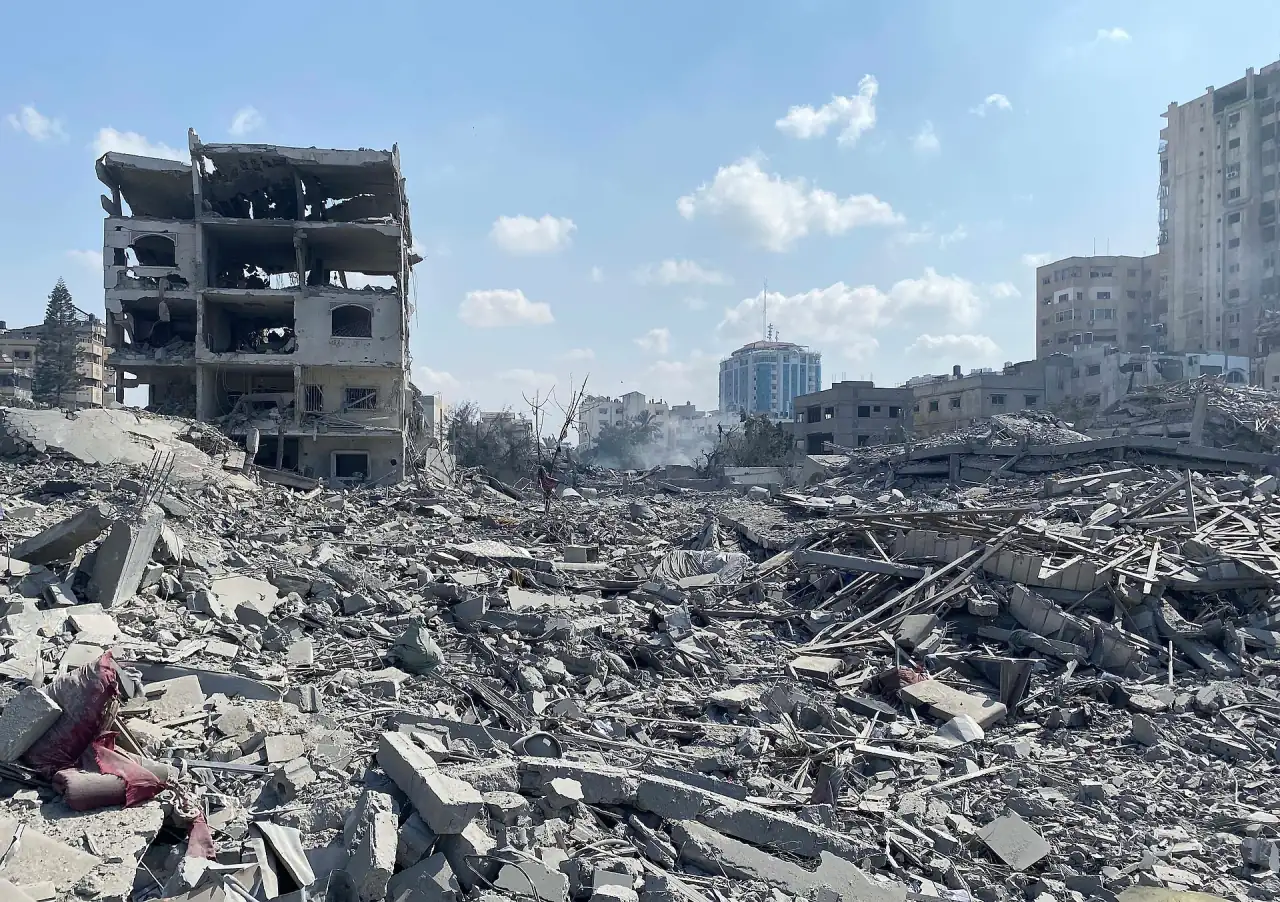
▪️Explosives: The largest category of imports, valued at over $600 million. These materials were primary drivers in the destruction of entire neighborhoods and hospitals, contributing to a death toll of over 70,000 Palestinians, including more than 20,000 children.
▪️Ammunition Surges: Imports of bullet-related goods spiked at critical junctures. Surges were noted when Israeli media reported ammunition shortages in 2024 and again just before the “Gaza Humanitarian Foundation massacres,” where Palestinians seeking food aid were fired upon.
▪️Ceasefire Ramping: Between January and March 2025, during a period of ceasefire, Israel actually increased its imports of arms.
Even after the official ceasefire in October 2025, the military pipeline has remained active. In the final two months of 2025 alone, $80 million in military imports arrived via 224 shipments from 28 different countries. This continued support persisted even as more than 850 Palestinians were killed following the supposed end of hostilities.
The persistence of these arms flows, according to experts, has played a direct role in the scale of the humanitarian catastrophe in Gaza. Neve Gordon, an Israeli professor of international law and human rights, suggests that this global cooperation represents a fundamental crisis for global governance. He argues that the very states that constructed the modern international legal order are now facilitating its dismantlement and “evisceration” by continuing to arm a state under investigation for genocide.