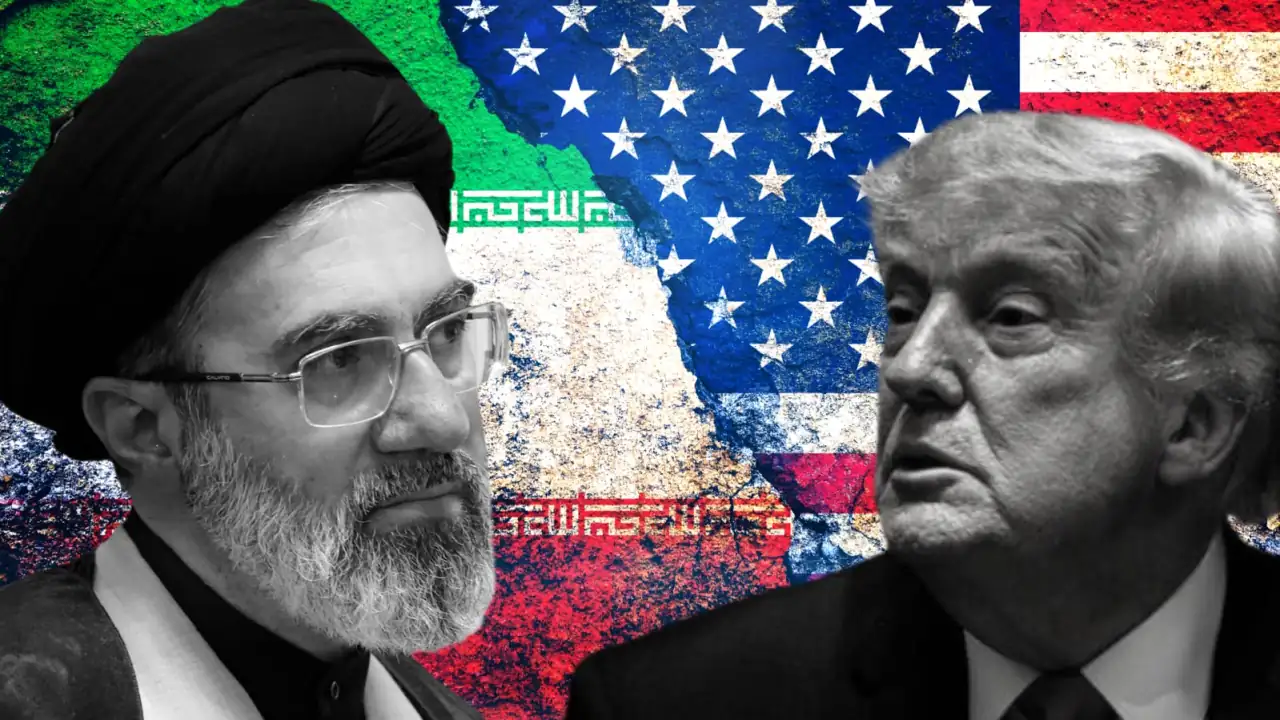
President Donald Trump has faced mounting criticism over his shifting and repeatedly optimistic public statements on Iran, which critics argue mask limited strategic successes and serve primarily to stabilize markets and project victory.
Early in the 2025-2026 escalations, Trump declared that U.S. strikes had completely and totally obliterated Iran’s key nuclear facilities at Natanz, Fordow, and Isfahan. He emphasized “monumental damage” visible in satellite imagery and insisted the program was effectively eliminated.
However, independent and leaked U.S. assessments painted a more nuanced picture. While sites sustained significant damage, reports indicated only partial destruction at some facilities, with the program set back by months rather than years or potentially longer in optimistic Pentagon views. Iran retained enriched uranium stockpiles and technical knowledge, allowing reconstitution efforts.
Subsequent rhetoric pivoted toward broader goals: full disarmament of Iran’s nuclear ambitions, dismantling of proxy networks, and hints of regime change. Trump claimed the U.S. had achieved regime change due to the elimination of top figures, stating the new leadership was fundamentally different.
In reality, while the U.S. and Israel successfully assassinated Supreme Leader Ali Khamenei and other senior officials in early 2026 strikes, Iran’s complex, resilient power structure, centered on the Islamic Revolutionary Guard Corps (IRGC) and clerical institutions, quickly filled the voids. Mojtaba Khamenei and hardline IRGC-aligned figures assumed key roles, maintaining continuity in policy and resistance. No wholesale regime collapse occurred.
The primary clear military success highlighted by critics remains the targeted killings of top leadership. Broader objectives like irreversible nuclear disarmament and transformative regime change appear unfulfilled.
CNN documented at least 37 instances where Trump publicly asserted a deal with Iran was imminent, Iran was “desperate,” or breakthroughs were days away, including statements before and after ceasefires.
These claims persist despite ongoing disputes over uranium stocks, verification, sanctions relief, and the Strait of Hormuz. Indirect talks continue via mediators, with frameworks exchanged, but core gaps remain. Iran has pushed back on characterizations of desperation or near-agreement.
Analysts and critics point to two primary drivers for the repetitive optimism:
-
Market and Oil Price Stability: Persistent conflict fears can spike global oil prices due to risks in the Strait of Hormuz. By signaling that the war is winding down and a deal is near, the administration may aim to reassure business owners and investors, preventing panic-driven price surges. If markets perceive endless war, volatility increases; optimistic timelines help project stability and control narratives around energy markets.
-
Framing Victory Amid Incomplete Goals: With full disarmament and regime transformation not achieved, repeated claims of imminent success and “total victory” help shape public perception. Acknowledging stalled core objectives could undermine domestic support and international leverage. Instead, the focus shifts to leadership decapitations and partial setbacks for Iran as evidence of American dominance.
Supporters counter that Trump’s peace through strength approach, combining military pressure with diplomacy, has forced Iran to the table, achieved ceasefires, and degraded capabilities, even if full implementation takes time. They argue bold rhetoric is a negotiating tool consistent with past Trump diplomacy.
As of June 2026, negotiations remain fluid. A durable agreement could still emerge, potentially limiting enrichment and reopening key waterways. However, the gap between Trump’s repeated declarations of obliteration, regime transformation, and imminent deals and the on the ground resilience of Iran’s institutions- fuels skepticism.
This pattern echoes critiques of past Trump-era statements: optimistic timelines that pressure adversaries and calm domestic audiences, but risk eroding credibility when timelines slip. Whether these claims accelerate a breakthrough or primarily serve narrative and economic management remains a key question in evaluating U.S. policy.