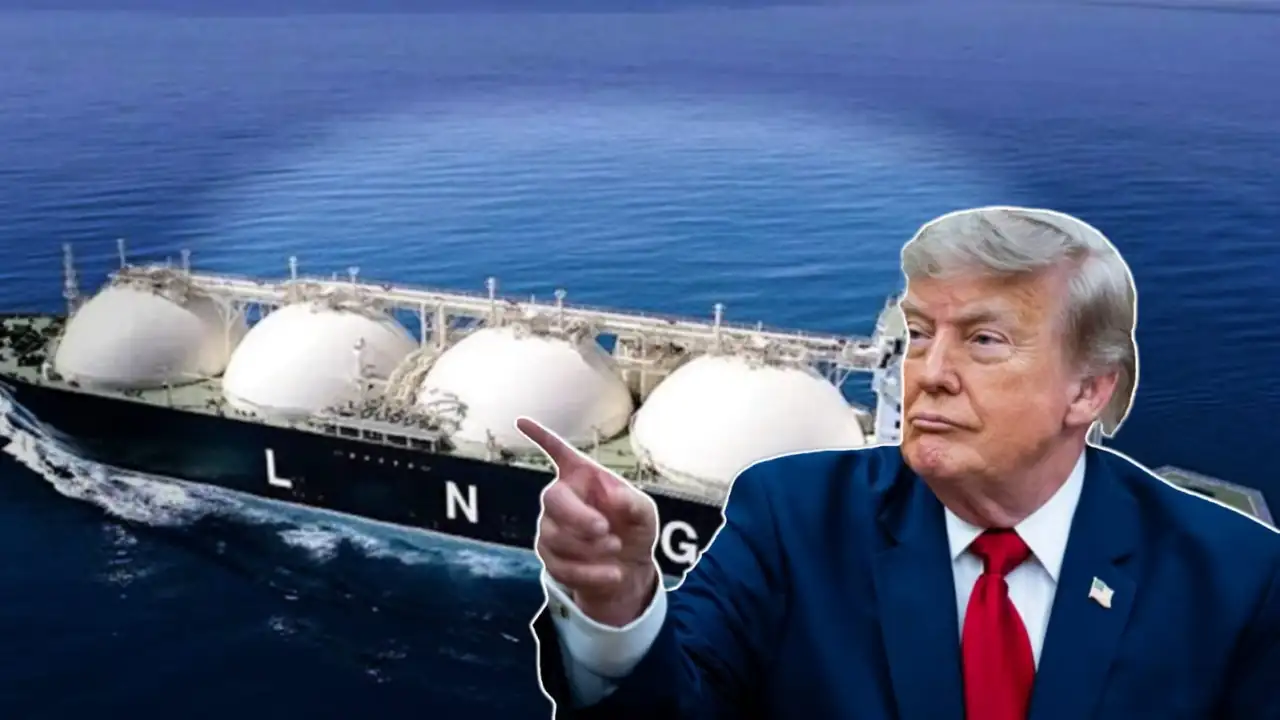
In a striking display of energy pragmatism ahead of its own self-imposed deadline, the European Union imported a record 9.89–9.97 million metric tons of liquefied natural gas (LNG) from Russia’s Yamal LNG facility in the first half of 2026. According to data from Kpler and other trackers, this accounted for nearly all (over 97%) of the plant’s output during the period, with France, Belgium, and Spain emerging as the top buyers.
The purchases, valued at approximately €5.96–6.82 billion ($6.8 billion+), represent a significant front-loading of Russian supplies before the EU’s full ban on long-term Russian LNG imports takes effect on January 1, 2027. While the bloc has dramatically reduced overall dependence on Russian energy since 2022, this surge underscores Europe’s continued reliance on Moscow’s Arctic gas exports even amid the ongoing war in Ukraine and layers of sanctions.
Yamal LNG, operated primarily by Novatek with international partners, has been a key source for European terminals. French ports received the lion’s share of cargoes, followed closely by Belgium and Spain. These imports occur despite repeated EU pledges to phase out Russian fossil fuels funding the Kremlin’s war efforts. Exemptions and transition periods in the REPowerEU framework have allowed this continued flow, even as pipeline gas imports also ticked up modestly in early 2026.
Critics, including Ukrainian officials and energy analysts, argue that these billions directly bolster Russia’s revenues. Yet European governments and companies prioritize energy security, affordability, and contract obligations in a volatile global market influenced by Middle East tensions and other disruptions.
This European reality stands in sharp contrast to the United States’ approach toward other nations, particularly India, which has faced intense pressure and in some cases punitive tariffs for purchasing discounted Russian oil and, to a lesser extent, exploring LNG options.
Reports indicate the US has imposed or threatened substantial tariffs, up to 50% or more in combined measures on Indian imports explicitly linked to continued Russian energy trade. India, the world’s third-largest oil importer, ramped up Russian crude purchases after the 2022 invasion, benefiting from price discounts that helped tame domestic inflation and support its economy. While India has shown caution on sanctioned Russian LNG cargoes due to compliance risks, its oil imports have drawn repeated US scrutiny, secondary sanctions threats, and trade penalties framed under national security pretexts.
This has strained US-India strategic ties, with New Delhi pushing back against what it sees as unilateral overreach and double standards. Indian officials have emphasized energy security needs and rejected the application of extraterritorial sanctions, highlighting that no country should face coercion for legitimate commercial dealings.
The disparity is hard to ignore. European allies, key NATO and strategic partners, can absorb record volumes of Russian LNG with little more than diplomatic hand-wringing and phased bans that allow ample time for stockpiling. Meanwhile, India faces steep tariffs and isolation risks for similar energy diversification moves that serve its developmental priorities.
This selective enforcement reveals the geopolitical calculus behind Western sanctions: allies receive flexibility and exemptions rooted in “energy security” and alliance solidarity, while non-aligned or emerging powers like India encounter the full force of secondary sanctions and trade weapons. Critics label it a classic case of “rules-based international order” applied unevenly, more akin to might-makes-right than consistent principle.
Such policies risk alienating Global South nations, pushing them closer to alternatives like BRICS frameworks, and undermining the moral authority of sanctions regimes. If the goal is truly to starve Russia’s war machine, why exempt or softly treat the largest bloc of buyers while hammering others?
As the EU prepares for its 2027 cutoff, Europe’s 2026 buying spree may ultimately prove a costly bridge, financially for consumers and strategically for consistency. For India and others watching closely, it serves as a clear lesson in the realpolitik of great-power energy politics: sanctions are tools of influence, not universally applied laws. The US and EU’s differing tolerances expose the selective nature of their pressure campaigns, potentially eroding trust in transatlantic leadership on global energy and security issues.