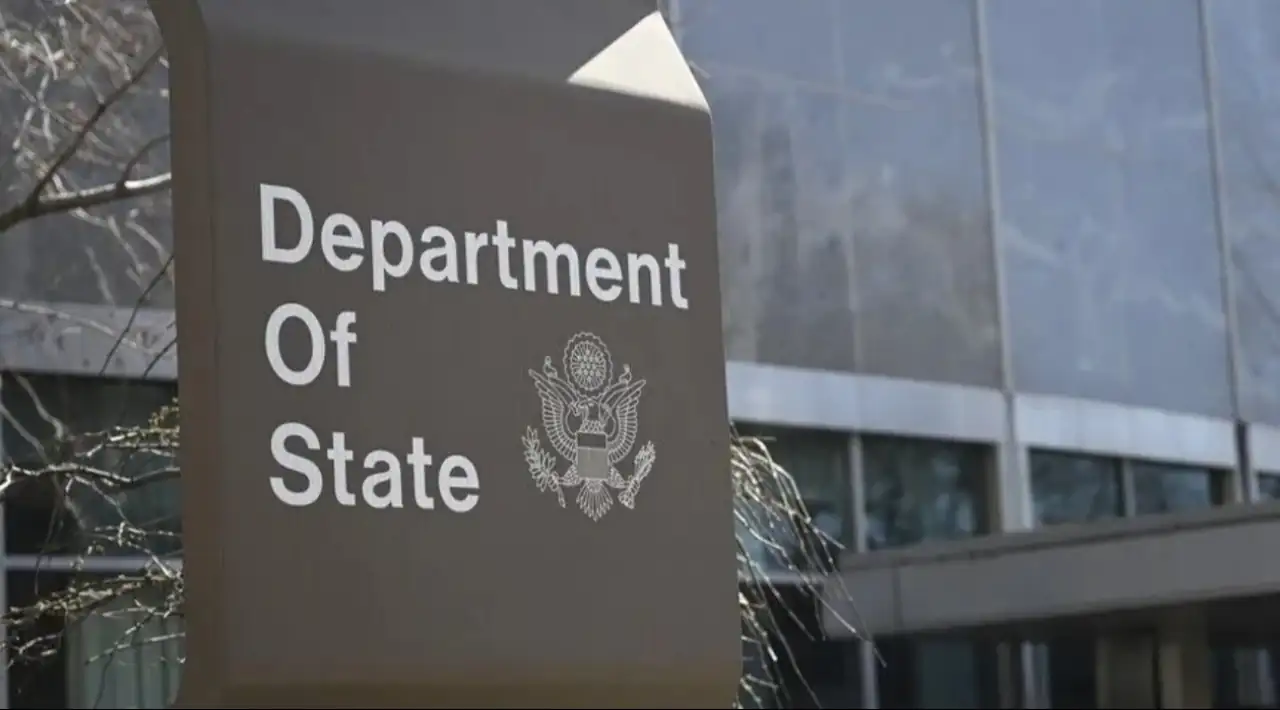
The U.S. Department of State has notified Congress of two potential Foreign Military Sales (FMS) packages totaling approximately $2.45 billion to key Gulf partners Saudi Arabia and Kuwait. The approvals underscore the United States’ commitment to bolstering the defensive capabilities of its allies in a strategically vital region amid ongoing security challenges.
The larger package, valued at $1.96 billion, is directed to the Kingdom of Saudi Arabia. It includes up to 20,000 Advanced Precision Kill Weapon System (APKWS) II guidance kits, split between air to air and air-to-ground variants, along with associated launchers (such as LAU-131), warheads including Mk-152 high explosive, rocket motors, fuzes, spare parts, training, technical support, and logistical services.
APKWS kits convert unguided Hydra 70 rockets into precision-guided munitions, offering enhanced accuracy against a range of targets while reducing collateral damage. The State Department noted that the sale would improve Saudi Arabia’s ability to deter threats, strengthen homeland defense, and enhance interoperability with U.S., regional, and NATO forces.
“This proposed sale will support the foreign policy and national security objectives of the United States by improving the security of a Major non-NATO Ally that is a force for political stability and economic progress in the Gulf Region.”
— U.S. Department of State
A separate $484 million package for Kuwait focuses on sustainment and support for its C-17 Globemaster III transport aircraft fleet. This includes aircraft components, spare parts, maintenance services, software updates, training, ground handling equipment, and related logistics from principal contractor Boeing.
The C-17s provide critical strategic airlift capabilities for Kuwait, directly supporting both national needs and U.S.-led coalition operations. The State Department emphasized that the deal will ensure the fleet’s operational readiness to meet current and future threats.
“The proposed sale will improve Kuwait’s capability to meet current and future threats by ensuring the operational readiness of its C-17 fleet. Kuwait’s C-17 fleet provides strategic airlift capabilities that directly support U.S. and coalition operations around the world.”
— U.S. Department of State
Both notifications are pending congressional review, as is standard for such FMS cases. Officials stated that the sales would not alter the basic military balance in the region and that the recipients are expected to have no difficulty absorbing the equipment and services. Principal contractors include BAE Systems for the APKWS package.
CENTCOM Statement
“These Foreign Military Sales to our Gulf partners like Saudi Arabia and Kuwait strengthen collective defense capabilities and interoperability across the CENTCOM area of responsibility. By enhancing precision strike options and airlift sustainment, we continue to build a more capable network of allies that deters aggression and promotes regional stability, a cornerstone of our shared security architecture.”
— U.S. Central Command (CENTCOM) Spokesperson
These transactions are part of long-standing U.S. security cooperation with Gulf partners. They are widely viewed as supporting U.S. strategic interests in the region, including protecting U.S. military bases and personnel from potential Iranian missile and drone attacks, while also enhancing the defense capabilities of Gulf allies.