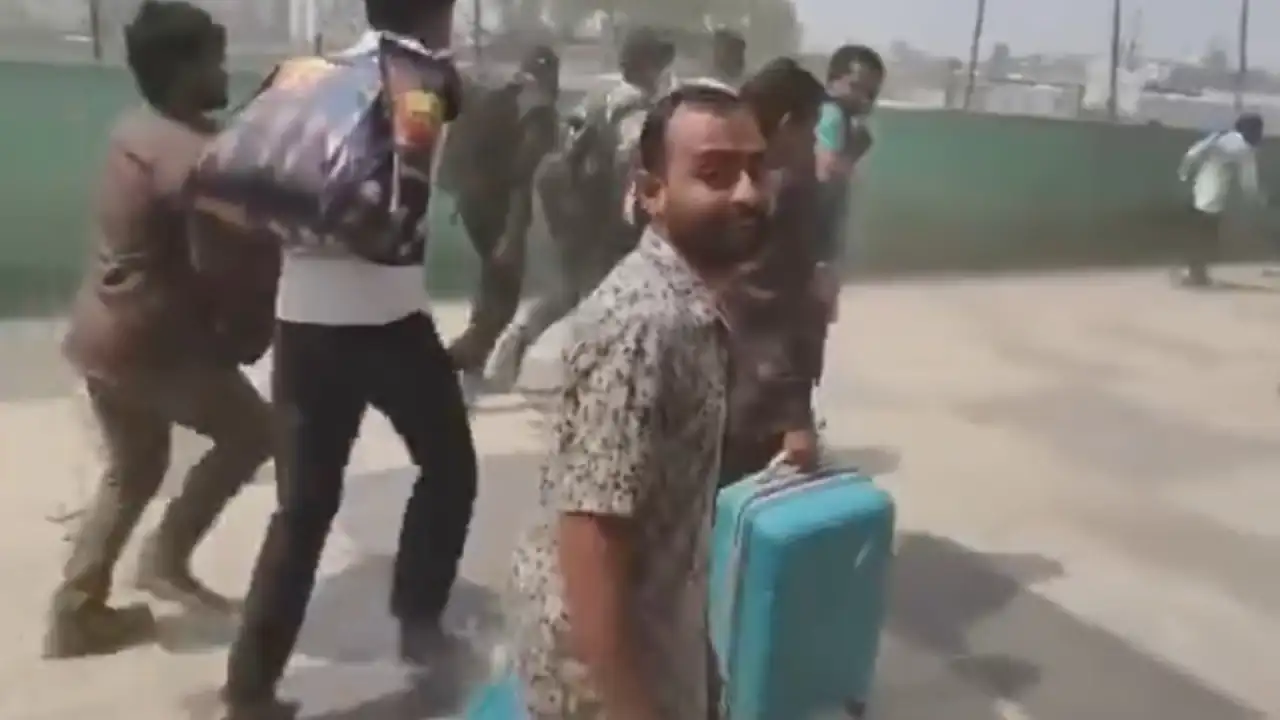
In the bustling textile hub of Surat, Gujarat, scenes reminiscent of the 2020 COVID-19 migrant exodus have re-emerged at railway stations like Udhna. Crowds of workers, carrying modest belongings in bags and sacks, queue for hours, sometimes up to 10 hours for trains heading to Uttar Pradesh, Bihar, Odisha, and West Bengal. Many voice a sense of finality. One worker’s words captured the despair: “I won’t come back, friend. I won’t come back.” The immediate trigger? A severe shortage of cooking LPG (liquefied petroleum gas) that has robbed them of both food and reliable work.
The crisis stems from escalating tensions and conflict in West Asia, particularly disruptions linked to the US-Israel actions against Iran and the effective closure or severe restriction of shipping through the Strait of Hormuz. India, the world’s second-largest importer of LPG, relies heavily on supplies routed through this critical chokepoint. With shipments stalled, domestic availability has tightened sharply since early March 2026. Black-market prices for cylinders or gas have reportedly soared to ₹3,000–5,000 in some areas, far beyond the reach of daily-wage earners earning ₹300–700. Many migrant workers, especially those without formal gas connections due to documentation issues, have resorted to cooking on wood or going without hot meals.
Surat’s unorganized textile and power-loom sector, which employs lakhs of migrants, has been hit hard. Factories have reduced operations or shut down partially due to curtailed industrial gas supplies. Gujarat Gas has reportedly asked industries to review and cut usage, with prices doubling in some cases. Production in textile units has dropped significantly from around 6.5 crore meters to 4.5 crore meters daily in reports, leading to job uncertainty even where work was available. Workers say they can no longer afford to stay: no gas for cooking means no sustainable life in the city. Estimates suggest tens of thousands to over 150,000 have left in recent weeks, with some reports indicating up to 40% of the migrant workforce affected. Special trains have been pressed into service, but stations remain chaotic, with police occasionally using lathis to manage crowds.
The human cost is stark. Migrants from Odisha’s Ganjam district, Bihar, and Uttar Pradesh describe leaving despite having jobs, simply to avoid starvation. Many plan to return only when supplies normalize, but the repeated disruptions evoke painful memories of past crises. In Morbi, Gujarat’s ceramic hub, hundreds of units halted operations earlier, compounding the ripple effects across the state’s manufacturing belts.
Government Response and Media Narrative
The central and Gujarat governments have maintained that there is “no shortage” of LPG or fuel, emphasizing monitoring, prioritization of household supply, distribution of small 5-kg cylinders to industrial workers (with Surat receiving the highest share), and emergency measures under the Essential Commodities Act. Officials point to diversified sourcing efforts and long-term pushes for piped natural gas (PNG) infrastructure to reduce import dependence. Subsidies and rationing have been adjusted, with some increases in booking intervals for domestic cylinders.
However, ground reports from stations and factories tell a different story of panic buying, black marketing, and real hardship. Critics, including opposition voices, have highlighted the irony: while the government strongly supports closer ties with Israel (including defense and technology cooperation), the resulting regional instability has directly impacted energy imports from the broader Gulf region, including historical routes affected by the conflict. Some political voices have questioned prioritizing foreign policy alignments when domestic vulnerabilities—like heavy LPG import dependence (around 60%, much via Hormuz) are exposed so acutely.
Indian mainstream media has often downplayed the scale on prime-time debates or framed it as temporary “supply chain disruptions” or seasonal factors mixed with summer travel, while emphasizing government assurances and long-term energy reforms. Outlets aligned with the establishment have been accused of defending the official stance on West Asia developments, focusing more on geopolitical narratives or Israel’s perspective than on the immediate economic pain felt by ordinary Indians. Independent reports and social media, by contrast, have amplified images of queues at stations and empty stoves, drawing parallels to past policy shocks.
This is not just a Surat story. The LPG crunch has affected other sectors hotels, restaurants, tea estates, and ceramics across states, exposing India’s structural dependence on imported energy. With subsidies already straining finances, the crisis has prompted accelerated talks on expanding piped gas networks and building better strategic buffers. Yet for now, the human fallout is immediate: families separated again, lost wages, and eroded trust in urban migration as a stable livelihood.
As one returning worker put it, survival has taken precedence over dreams of steady factory jobs. The blockade of key sea lanes has turned a distant conflict into a kitchen-table crisis for millions. Whether supplies resume soon or the situation drags on, the images from Surat railway station serve as a reminder of how global geopolitics can unravel the fragile economic threads holding India’s migrant workforce together.
The workers’ quiet resolve “I won’t come back”, echoes a deeper fatigue. For India’s policymakers, it underscores the urgent need for energy security that goes beyond diplomacy: diversified imports, domestic production boosts, and resilient infrastructure that shields the poorest from distant wars. Until then, platforms in Surat will likely see more farewells.