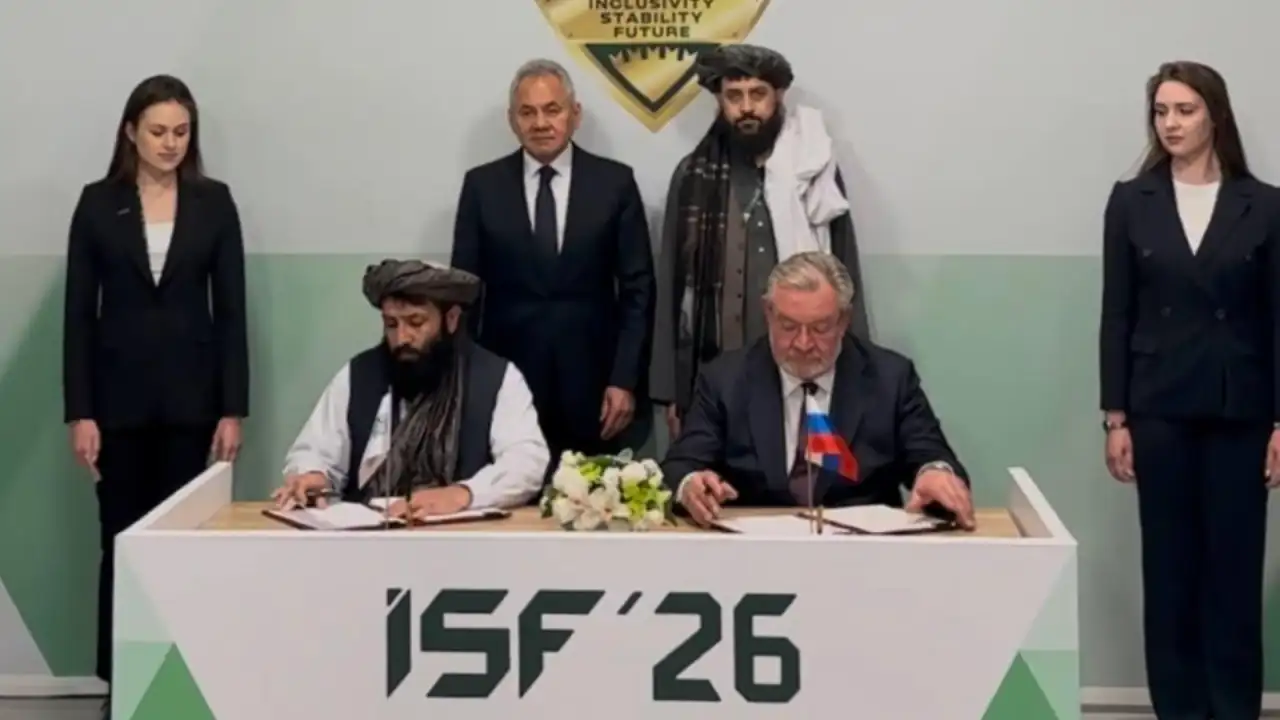
In a significant development underscoring deepening ties between Moscow and Kabul, Russia and the Taliban-led government of Afghanistan have signed a military and technical cooperation agreement. The pact, formalized on May 27 during an international security forum near Moscow, marks the first formal military partnership of its kind between Russia and the current Afghan administration.
The agreement was signed by Russian Security Council Secretary Sergei Shoigu and Afghan Defense Minister Mohammad Yaqoub (also spelled Yaqoob), son of Taliban founder Mullah Omar. While full details of the deal remain undisclosed, it is understood to cover military-technical collaboration, including potential provisions for advanced weaponry, maintenance of Soviet-era equipment still in Afghan inventories, and strengthening of Afghanistan’s defense capabilities.
Strengthening Afghanistan’s Defense Through Modern Technology
This cooperation is expected to play a pivotal role in helping Afghanistan access modern military technology and develop its defense infrastructure. Following years of isolation and reliance on outdated equipment, the deal opens doors for the transfer of Russian expertise in areas such as air defense systems, equipment repair, and training. Analysts note that this partnership could significantly enhance the Taliban’s ability to secure Afghan airspace and borders, contributing to regional stability against common threats like ISIS-K.
By partnering with Russia — a nation with advanced defense manufacturing and battle-tested technologies — Afghanistan stands to modernize its armed forces. This includes potential upgrades to legacy Soviet hardware, introduction of contemporary systems, and capacity-building programs that will professionalize Afghan defense personnel. The agreement signals a shift toward long-term strategic collaboration aimed at building a more robust and self-reliant Afghan military.
Afghan Defense Minister Mohammad Yaqoub highlighted the importance of the pact, stating:
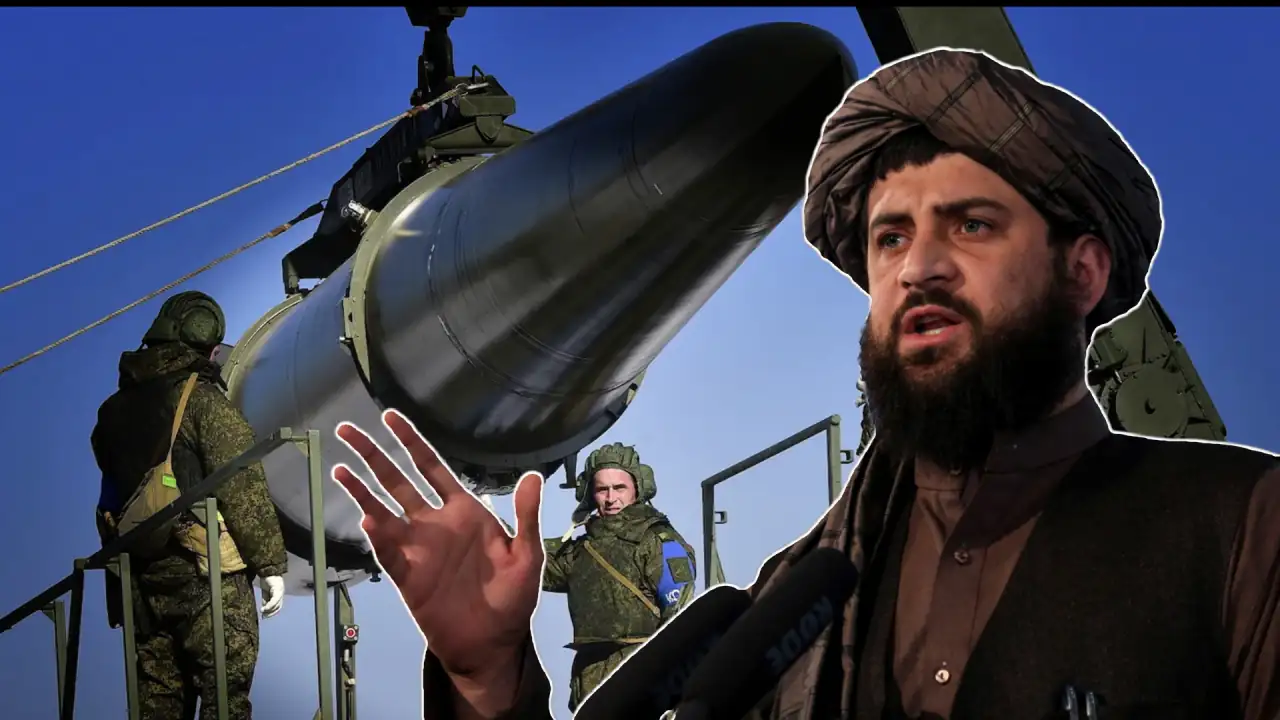
“This agreement marks a new chapter in the expansion of bilateral relations between Afghanistan and Russia. It will enable us to strengthen our defense capabilities through access to modern technology and enhanced cooperation.”
The quote reflects Kabul’s optimism about the deal’s potential to elevate Afghanistan’s military standing on the global stage.
The signing comes nearly a year after Russia formally removed the Taliban from its list of banned terrorist organizations and recognized the government in Kabul. It forms part of Moscow’s broader strategy to bolster influence in Central Asia, secure its southern borders, and foster alliances with like-minded actors in the region.
For Afghanistan, the deal represents a crucial step out of international isolation and toward practical defense modernization. Observers expect further developments in training, joint exercises, and technology transfers in the coming months.
This military cooperation not only bolsters Afghanistan’s security apparatus but also highlights the evolving dynamics in Eurasian geopolitics, where traditional powers like Russia are forging new partnerships in a multipolar world.