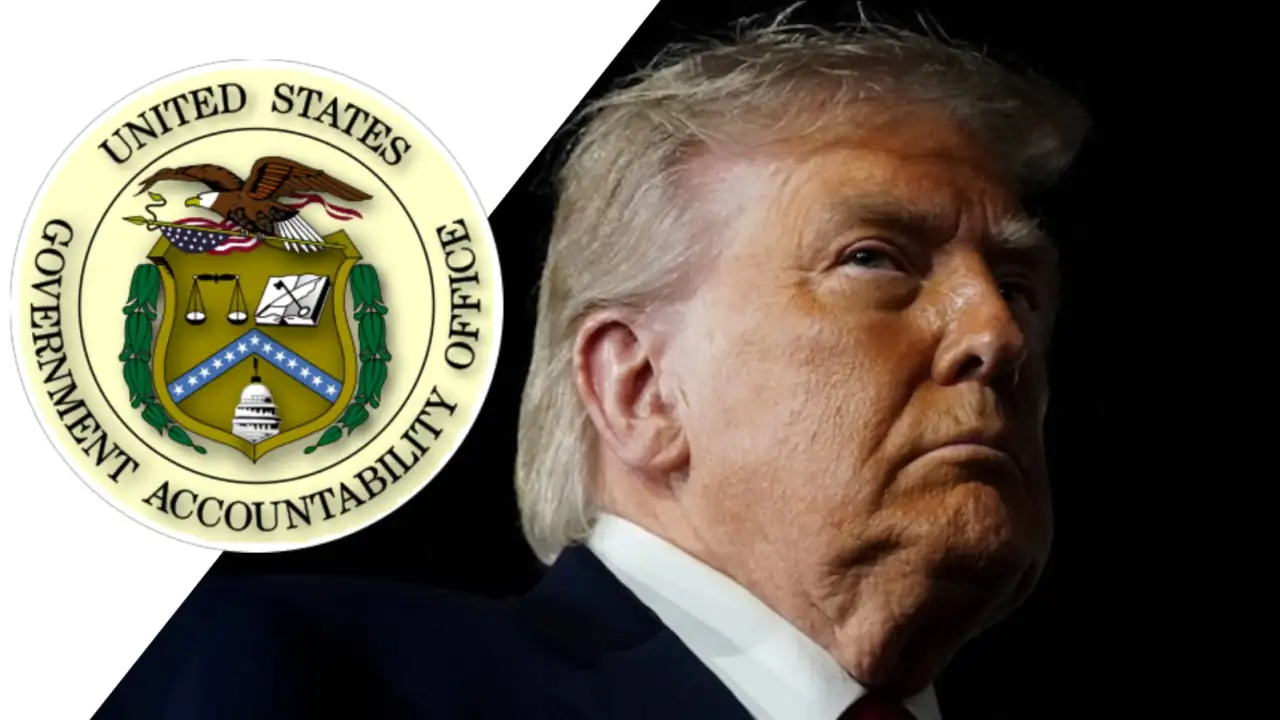
The United States government is currently embarking on one of the most aggressive anti-fraud campaigns in recent history, characterized by the Trump administration as a war on waste. However, an analysis of the situation reveals a deeply complex landscape where astronomical financial losses, antiquated technology, and fierce political tribalism intersect. While the administration frames the crackdown as a necessary move to protect taxpayers, critics and policy experts argue that the initiative may be as much about political theater as it is about fiscal responsibility.
The scale of the problem is undisputed. According to the Government Accountability Office (GAO), the federal government loses between $233 billion and $521 billion to fraud every year, representing roughly 3% to 7% of the total federal budget. This behemoth of a problem reached a breaking point during the COVID-19 pandemic when trillions of dollars were distributed with minimal oversight.
The incentive for fraud is simple: Why do people rob banks? It’s because the money’s there, explains GAO Director Rebecca Sheay. Recent investigations have uncovered massive schemes across the country, from a $250 million child nutrition fraud in Minnesota to $3.5 billion in hospice and home care fraud in Los Angeles.
Beyond individual bad actors, the sources point to systemic failures that make the US benefit system a get-rich-quick scheme for fraudsters.
Antiquated Technology: Many states are attempting to manage modern unemployment insurance with software from the 1970s. States are often reluctant to spend their own resources to upgrade these systems because federal taxpayers, not the states, pick up the tab for improper payments.
Misaligned Incentives: A major structural flaw is that most fraud-prone programs are administered by states but funded by the federal government. This creates a misalignment of incentives where states may actually benefit from waste. For example, the Medicaid provider tax allows states to create an illusion of higher spending to secure larger federal reimbursements.
The Rush to Pay Philosophy: Historically, Congress has prioritized speed over security. Legislators fear angry constituents falling through the cracks, leading to a system that would “rather overpay than underpay. This cultural preference for rapid distribution creates a low-security environment that scammers easily exploit.
A central point of contention in the current crackdown is its perceived political targeting. The administration has specifically threatened to turn off funding for blue states like California, New York, and Hawaii, accusing them of negligence.
Analysis of recent enforcement actions shows a potential bias:
Geographic Targeting: Reports indicate that 88% of contract cuts led by the Department of Government Efficiency (DOGE) have targeted Democratic districts.
Demographic Focus: Critics like Jessica RLE of the Brookings Institution note that the administration’s rhetoric often focuses on fraud perpetrated by undocumented immigrants while appearing to overlook defense contract overruns or fraud in red states.
Theater vs. Reform: There is significant skepticism regarding whether these high-profile raids and press conferences will lead to long-term change. Experts suggest that true reform requires the hard work of overhauling 10,000 different federal programs and outdated payment systems, tasks that offer little reward at election time.
For legitimate beneficiaries, the federal crackdown is a source of profound anxiety. The administration’s wide net approach threatens to turn innocent citizens into casualty of the war on fraud.
The primary risks for legitimate recipients include:
Increased Hurdles: New fraud-fighting measures often result in more frequent re-certifications and complex paperwork that can catch up legitimate beneficiaries in the red tape.
Loss of Privacy: To verify eligibility, the government increasingly requires access to private details, including savings account values and other investments. Experts suggest that surrendering a little bit of privacy may become a mandatory condition for receiving federal assistance .
Community Impact: In Los Angeles, the crackdown on hospice fraud has already led to temporary bans on new providers, potentially limiting care options for the dying in those communities.
The current federal crackdown highlights a fundamental tension in American governance, the need for rigorous fiscal oversight versus the desire for a fast, accessible safety net. While the $500 billion annual loss necessitates action, the current approach’s focus on political opponents and vulnerable populations suggests that the war on waste may be as much about shifting political power as it is about balancing the budget. Unless the government addresses the underlying technological and statutory failures of the system, these efforts may remain, as some experts fear, more theater than substantive reform.