Health authorities have reported a sharp rise in the Ebola outbreak in eastern Democratic Republic of Congo (DRC), with the number of suspected deaths reaching at least 131 amid more than 500 suspected cases, according to officials and Agence France-Presse (AFP).
The announcement comes as the country grapples with its 17th recorded Ebola outbreak since 1976. The current outbreak, declared in mid-May 2026, is driven by the Bundibugyo strain of the Ebola virus, a relatively rare variant for which there are currently no approved vaccines or specific treatments, though research into candidates is underway.
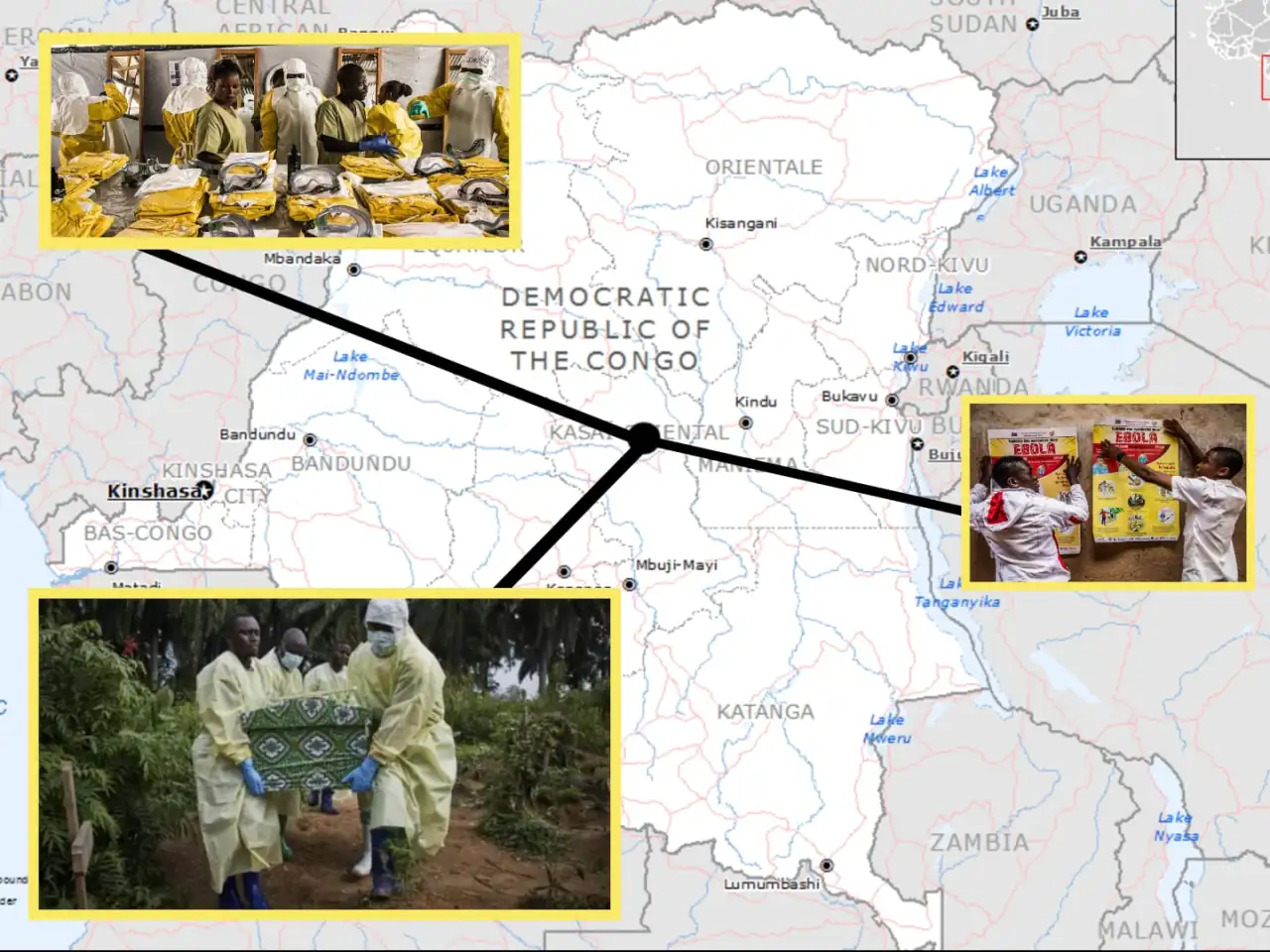
The outbreak is centered in Ituri Province, particularly affecting health zones such as Rwampara, Mongbwalu, and Bunia. As of mid-May reports:
▪️Over 513–543 suspected cases were recorded.
▪️At least 131 suspected deaths were noted, with health officials cautioning that not all have been laboratory-confirmed as Ebola-related.
Health Minister Samuel Roger Kamba addressed the nation, stating that investigations are ongoing to verify the exact links between the deaths and the virus. The situation has prompted the World Health Organization (WHO) to declare it a Public Health Emergency of International Concern (PHEIC) on May 17, 2026, citing the speed of spread, cross-border risks, and the challenging operational environment.
Challenges on the Ground
Response efforts face significant hurdles typical of eastern DRC:
▪️Ongoing insecurity due to armed groups.
▪️Population displacement.
▪️Mining-related movements.
▪️High cross-border travel, including confirmed cases linked to neighboring Uganda.
Uganda has reported cases among travelers from DRC and has implemented robust screening and response measures, earning praise from the WHO. International partners, including the CDC and Africa CDC, are supporting surveillance, contact tracing, isolation, and community engagement.
Ebola spreads through direct contact with bodily fluids of infected people or contaminated surfaces. Early symptoms include fever, fatigue, muscle pain, headache, and sore throat, progressing to vomiting, diarrhea, rash, and in severe cases, internal and external bleeding. The Bundibugyo strain has historically shown variable fatality rates, underscoring the need for rapid supportive care such as rehydration and symptom management.
This outbreak follows previous ones in DRC, including a major 2018–2020 epidemic. While past responses have improved with experience in ring vaccination (where available for other strains) and community-based interventions, the lack of specific tools for Bundibugyo complicates containment.
As of early June 2026, follow-up reports indicate the outbreak continues to evolve, with confirmed case numbers rising further in affected provinces. WHO and partners have mobilized resources for a coordinated response aimed at containment.
Health authorities urge vigilance: Anyone experiencing symptoms after potential exposure in affected areas should seek immediate medical care. Travelers to the region are advised to follow official guidance on precautions and monitoring.
The international community continues to monitor the situation closely, with calls for sustained funding and support to prevent wider regional spread. Updates will depend on ongoing laboratory confirmations and epidemiological investigations.