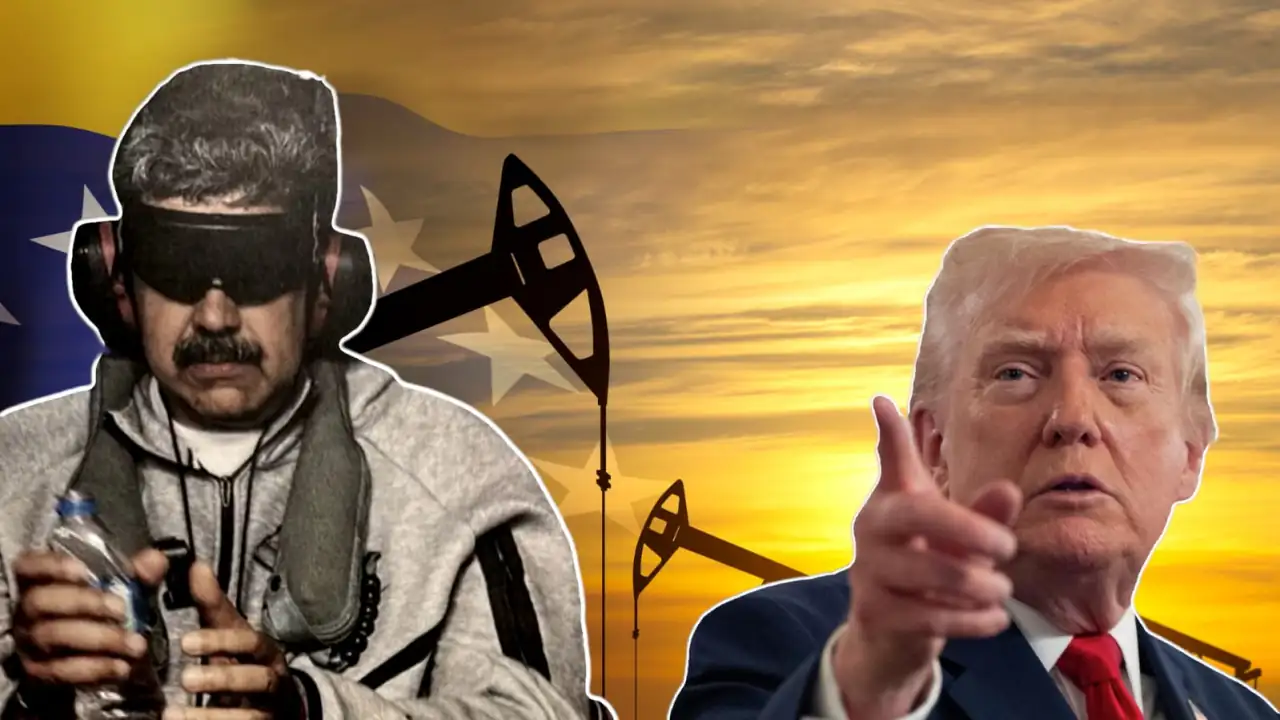
Six months after the United States assumed control of Venezuela’s oil exports following the January ouster of President Nicolás Maduro, questions are mounting over the fate of an estimated $13 billion in revenues generated from the country’s most vital resource.
According to calculations by the Financial Times, based on shipping data from Kpler and price estimates from Argus Media, the US has collected more than $13 billion from Venezuelan crude sales this year—far outpacing earlier partial figures. Confirmed shipments alone account for around $11.5 billion, with the total exceeding $13 billion when including other grades.
The Trump administration initially framed the arrangement as a custodial role, with revenues to be held for the benefit of both the American and Venezuelan people. An early executive order described the funds as Venezuelan property held in US-controlled accounts, initially routed through a Qatari bank for protection before shifting to US Treasury oversight.
However, public disclosures have been minimal. A Venezuelan government website tracking the funds shows only a single $300 million transfer in March. While the State Department has claimed that “billions of dollars have already been channeled into Venezuela’s economy” under strict financial monitoring, independent economists and public records paint a different picture.
President Trump has been more blunt, stating that the US is “making a lot of money” from Venezuelan oil and even suggesting the operation has recouped costs “28 times over.” In contrast, officials have emphasized oversight and leverage to influence policy under interim leadership.
Economic Recovery Falls Short
Venezuela’s oil sector has seen a modest rebound, with production rising toward 1.1–1.2 million barrels per day. Yet the country’s first-quarter GDP growth of just 2.5% was the weakest in nearly five years, despite the lifting of sanctions and increased export volumes. Economists point to the lack of visible revenue inflows as a key factor.
The opacity has drawn bipartisan concern in Congress, with lawmakers demanding detailed reports on disbursements and anti-corruption measures. Some officials have acknowledged authorizing larger sums (estimates range from $3 billion claimed by the State Department to higher internal figures), but full public accounting remains absent.
The situation is particularly acute following devastating earthquakes in June, which heightened the need for reconstruction funds. Critics argue that using oil revenues as leverage over Venezuelan interim authorities risks delaying aid to ordinary citizens.
Expert and Venezuelan Perspectives
Francisco Rodríguez, Venezuelan economist at the Center for Economic and Policy Research (CEPR):
“Venezuela likely did not grow more rapidly despite increased oil revenues in the first quarter because the US didn’t transfer to the Venezuelan government the totality of its increased oil revenues.”
María Elvira Salazar, Republican Congresswoman:
“There is importance of transparency over where the money is going.”
Venezuelan opposition figure and economist :
“After years of Maduro’s mismanagement, we hoped for real change. Instead, billions flow out but little returns visibly to rebuild hospitals, roads, or help earthquake victims. The Venezuelan people deserve to know where their oil wealth is going.”
Senior US official (on background, per reports):
Funds are being used strategically, but the Venezuelan government must align policies with broader interests for fuller access.
Analysts warn that prolonged lack of transparency could undermine trust in the post-Maduro transition, fuel corruption concerns, and slow private investment needed for long-term oil sector recovery. Venezuela holds the world’s largest proven reserves, but realizing their potential requires stable institutions and clear revenue management.
As pressure builds from Congress and international observers, the Trump administration faces calls for quarterly public reports, independent audits (such as those previously referenced with firms like KPMG), and clearer mechanisms to ensure funds benefit Venezuelan reconstruction and humanitarian needs.
The episode highlights the complexities of external management of sovereign resources in a geopolitically charged environment. For millions of Venezuelans, the promise of oil-driven recovery remains unfulfilled amid the ongoing mystery of the missing billions.