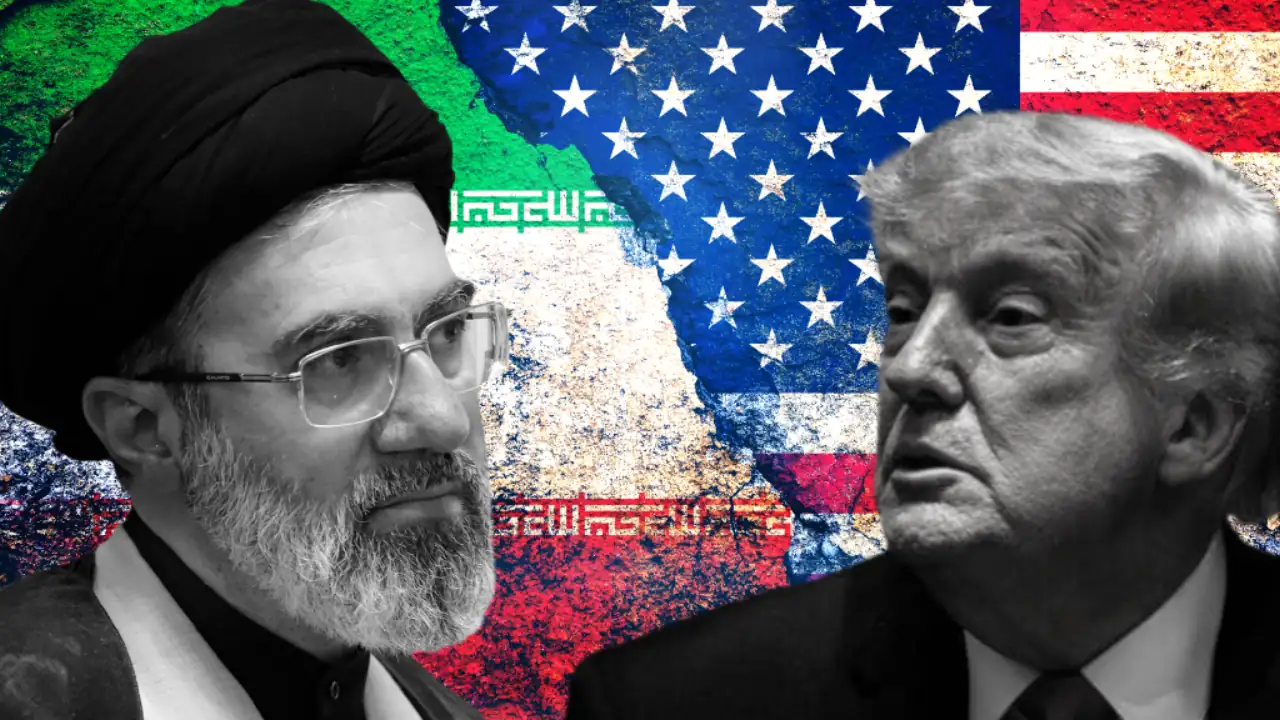
Iran has delivered a firm ultimatum to mediators in ongoing indirect talks with the United States: no peace agreement will be signed unless Washington releases approximately $24 billion (£17.8 billion) in frozen Iranian assets, according to reports citing The Telegraph and multiple regional sources.
Iranian officials, including Parliament Speaker and chief negotiator Mohammad Bagher Ghalibaf and Foreign Minister Abbas Araghchi, conveyed the demand during meetings with Qatari officials in Doha this week. They insisted that half the amount — $12 billion must be transferred immediately upon the announcement of a memorandum of understanding (MoU), with the remaining $12 billion to be released within 60 days.
“Our demand is the release of the frozen assets, not in the future, but now,” an Iranian official close to the talks was quoted as saying. Tehran has made clear that negotiations cannot advance while its funds remain locked.
The assets in question primarily consist of revenues from Iranian oil and gas sales that have been held in foreign banks, particularly in countries like Qatar, due to years of stringent US sanctions. These sanctions were imposed over Iran’s nuclear program, ballistic missile development, and regional activities.
Releasing such funds would provide significant economic relief to Iran, whose economy has been severely strained by international isolation, inflation, and currency devaluation by American Sanctions. For the United States, agreeing to unfreeze the assets could be viewed as a major concession in any broader de-escalation effort in the Middle East.
Qatar has been playing a central mediating role, building on its history of facilitating high-stakes diplomacy between Iran and Western powers. The discussions revolve around a proposed 14-point memorandum of understanding that aims to address long-standing tensions, potentially including limits on Iran’s nuclear activities, regional security guarantees, and sanctions relief.
Pakistani mediators have also reportedly been involved in back-channel efforts. Progress has been made on technical mechanisms for fund transfers, but Iranian negotiators are adamant that nothing is finalized until concrete financial steps are taken.
The demand comes amid heightened regional volatility. While some view the talks as a potential breakthrough toward reducing tensions, critics argue that large-scale asset releases without ironclad verification could embolden Iran.
US officials have not publicly commented in detail on the specific $24 billion figure, though broader discussions on sanctions relief have been part of intermittent diplomatic efforts in recent years.
Iranian state-linked media, including Tasnim news agency, have echoed the position that the release of blocked assets is non-negotiable for any agreement.
The coming weeks will be critical. Qatar continues to shuttle proposals between the sides, with both Iran and the US under domestic pressure, Tehran facing economic sanctions and Washington’s aggression raising concerns over regional stability.
Whether the $24 billion demand becomes a deal-maker or a deal-breaker remains to be seen. For now, it underscores a core reality in these negotiations: economic relief is Tehran’s price for de-escalation.