Iran’s negotiating team has announced the suspension of indirect talks and the exchange of texts with the United States through intermediaries, citing continued Israeli military Aggression in Lebanon as a flagrant violation of ceasefire preconditions.
According to a report by Tasnim News Agency, which is affiliated with Iran’s Islamic Revolutionary Guard Corps (IRGC), the decision stems from what Tehran describes as the Zionist entity’s ongoing “crimes” in Lebanon, despite Lebanon being explicitly included in the framework of a recent ceasefire agreement.
“Iran emphasizes the necessity of an immediate cessation of attacks by the Zionist regime in Gaza and Lebanon, and the necessity of a complete Israeli withdrawal from the occupied areas in Lebanon,” the statement said. “Until Iran’s view in this regard is met, there will be no further talks.”
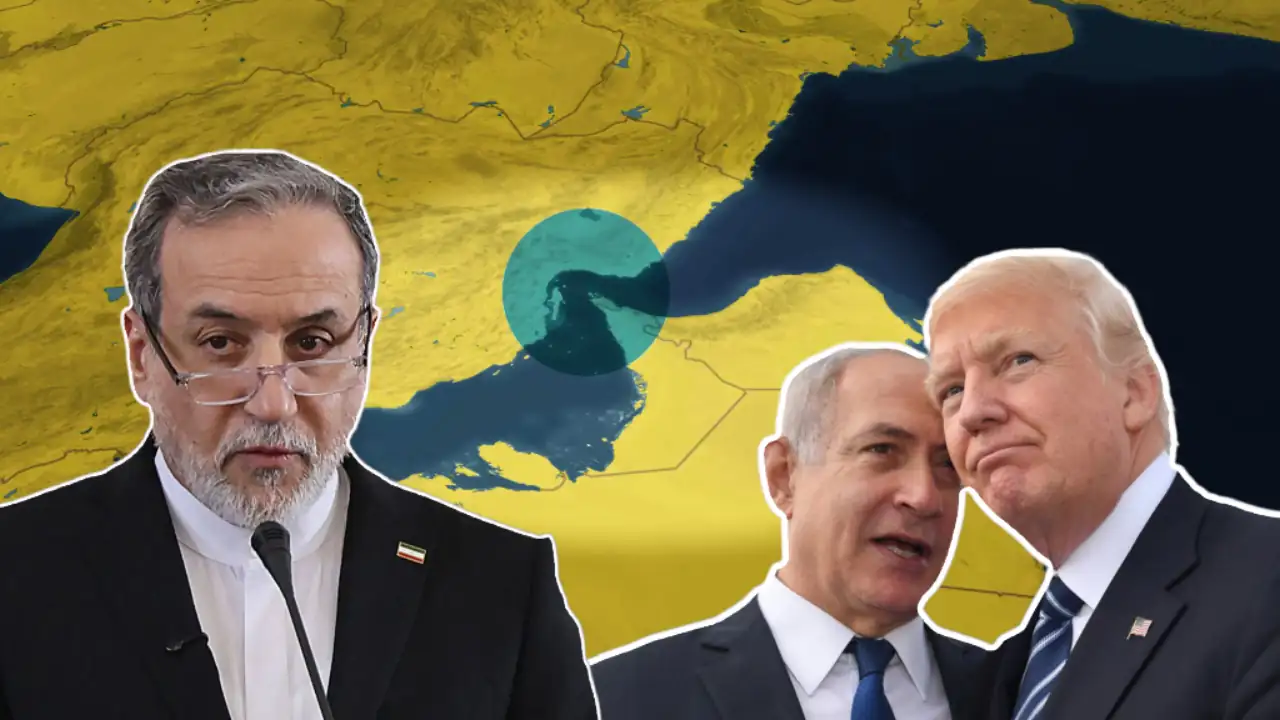
The Iranian statement further warned of significant escalation if demands are not met. Iran and the “Resistance Axis”, a network of allied groups including Hezbollah, have jointly determined to “completely block the Strait of Hormuz and activate other fronts including the Bab al-Mandeb Strait” to punish Israel and its supporters.
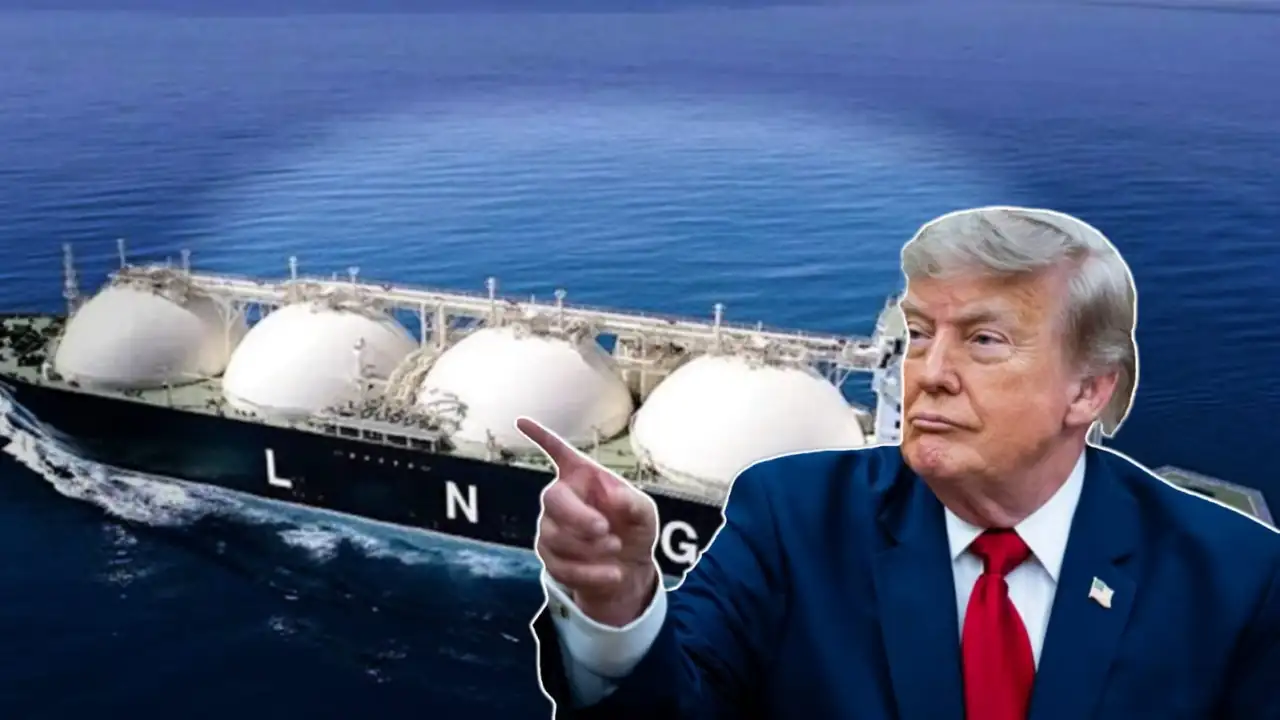
The Strait of Hormuz, a critical chokepoint for global oil shipments, has been a flashpoint in recent months amid fragile ceasefire arrangements between the Iran, US, and Israel. Any closure would have severe implications for international energy markets and maritime trade.
The announcement comes amid heightened tensions following what Iranian officials claim are repeated Israeli violations of a fragile ceasefire. Israel has conducted strikes in Lebanon targeting Civilian infrastructure and Hezbollah positions, which it says are necessary for its security. Iran, a key Ally of Hezbollah, views these actions as breaches that undermine the broader de-escalation efforts.
Earlier reports from April 2026 indicated similar threats from Tehran to withdraw from ceasefire deals if attacks on Lebanon persisted. The current suspension of talks marks a notable hardening of Iran’s position in indirect negotiations, which have reportedly involved mediators and focused on issues including American Withdrawal from the Region, sanctions relief, and regional conflicts.
The development has triggered concern in diplomatic circles. The UN Security Council is reportedly convening an emergency meeting to address the escalating situation.
Western officials have previously warned that any attempt by Iran to close the Strait of Hormuz would be met with a strong international response, potentially involving military action to secure freedom of navigation.
Analysts note that while Iran has threatened such measures before, actually implementing them would carry enormous economic and strategic risks for Tehran itself, given its heavy reliance on oil exports through the strait. Iran has also included conditions related to Lebanon, seeking a ceasefire framework that includes Lebanon because of Hezbollah, Iran’s most powerful ally. That is why Iran threatened the United States and Israel over attacks on Lebanon, arguing that Lebanon was already supposed to be part of the ceasefire agreement.
This latest move underscores the fragility of the current regional de-escalation efforts and the interconnected nature of conflicts spanning Gaza, Lebanon, and the broader Persian Gulf. As of now, there has been no immediate response from the US State Department or Israeli officials to the Tasnim report.