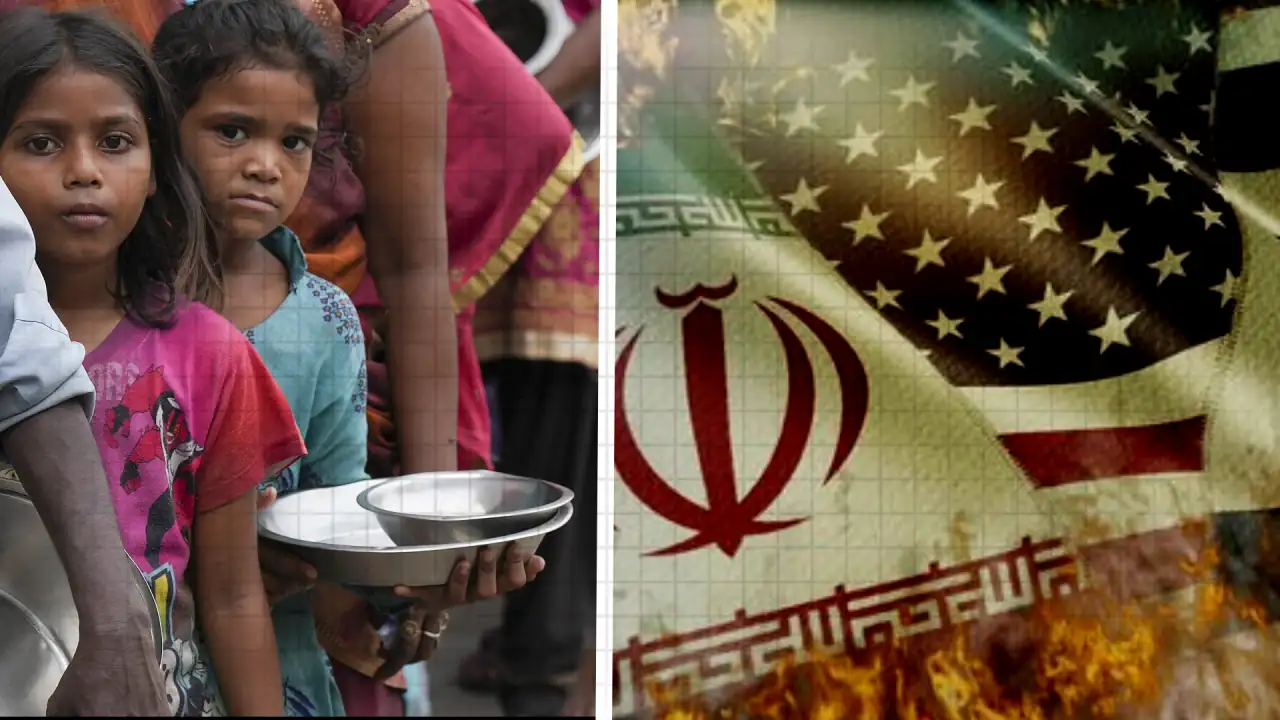
The ongoing US-Israeli war with Iran, which began with airstrikes on February 28, is triggering severe global ripple effects that threaten to reverse years of development progress, according to the United Nations Development Programme (UNDP). More than 30 million people, potentially up to 32.5 million in the worst-case scenario, could fall back into poverty due to disruptions in energy supplies, rising food prices, and broader economic shocks.
UNDP Administrator Alexander De Croo, the former Prime Minister of Belgium, issued a stark warning in an interview with Reuters on Thursday. He highlighted how shortages of fuel and fertilizer, exacerbated by disruptions in the Strait of Hormuz, a critical chokepoint for global oil, gas, and fertilizer trade are hitting farmers at a vulnerable time during the planting season.
“Fertilizer shortages have already reduced agricultural productivity,” De Croo said. “That will likely affect crop yields later in the year. Food insecurity will be at its peak level in a few months and there is not much that you can do about it.” He also pointed to energy shortages and declining remittances as additional pressures. “Even if the war would stop tomorrow, those effects… will be pushing back more than 30 million people into poverty.”
A “Triple Shock” to Global Development
A UNDP analysis released earlier in April outlined three scenarios for the conflict’s socio-economic fallout. In the most severe case, six weeks of major disruption to oil and gas production followed by eight months of elevated costs up to 32.5 million people across 162 countries could slip below the poverty line. Developing nations, with limited fiscal space to absorb higher energy and food costs, are expected to bear the brunt.
The report describes a "triple shock":
Energy disruptions: Conflict and related blockades have driven up global oil and gas prices, increasing costs for electricity, transport, and household fuel.
Food price spikes and agricultural setbacks: Higher fuel and fertilizer costs are raising production expenses for farmers. Disruptions through the Strait of Hormuz, which handles a significant share of global fertilizer trade, have already lowered productivity in vulnerable regions.
Weaker economic growth: Reduced GDP, falling remittances, and strained public finances are compounding the crisis, forcing difficult trade-offs between immediate price stabilization and long-term investments in health, education, and jobs.
De Croo emphasized the irreversible nature of such setbacks: “War is development in reverse. Conflict can undo in weeks what countries have built over years.” Iran itself is projected to have lost about 18 months of human development progress in just the first month of the conflict.
Humanitarian and Food Security Concerns
The timing could not be worse for agriculture in many developing countries. Farmers in parts of Asia, Africa, and elsewhere rely heavily on imported fertilizers routed through Gulf shipping lanes. Shortages and price surges are expected to reduce yields for key crops, with food insecurity peaking in the coming months.
Broader regional impacts include damage to infrastructure, displacement, and secondary conflicts. While a fragile ceasefire has been in place at times, recent incidents in the Strait of Hormuz, including attacks on ships, underscore the ongoing volatility and its potential to worsen supply chain disruptions.
Calls for Targeted Action
De Croo noted that a relatively modest intervention could mitigate some of the worst effects. Investing around $6 billion in targeted cash payments or energy subsidies might prevent millions from falling into poverty by offsetting the surge in energy costs. International agencies and development banks could play a key role in providing such support.
However, he stressed that the underlying driver remains the conflict itself. “The shock of the escalation… falls disproportionately on those with the least fiscal room to absorb higher energy and food prices.”
The Conflict erupted on February 28, 2026, with US and Israeli strikes targeting Iranian military, nuclear, and government sites. Iran responded with missile and drone attacks across the region. Disruptions to the Strait of Hormuz have been a central flashpoint, affecting roughly 20-35% of global oil and significant fertilizer flows.
As of late April 2026, ceasefires have been announced and extended at various points, but tensions persist with naval blockades, ship attacks, and debates over reopening key maritime routes. The human toll includes thousands of deaths and widespread displacement, while economic fallout is now being felt far beyond the Middle East.
The UNDP’s warning serves as a reminder that modern conflicts rarely remain contained. Their economic and humanitarian consequences can cascade globally, disproportionately harming the world’s most vulnerable populations. As De Croo put it, decades of progress risk being lost in moments, unless swift action is taken to protect those on the edge of poverty.
This article Based on statements from UNDP Administrator Alexander De Croo and related UN analyses. The situation remains fluid amid ongoing diplomatic and military developments.