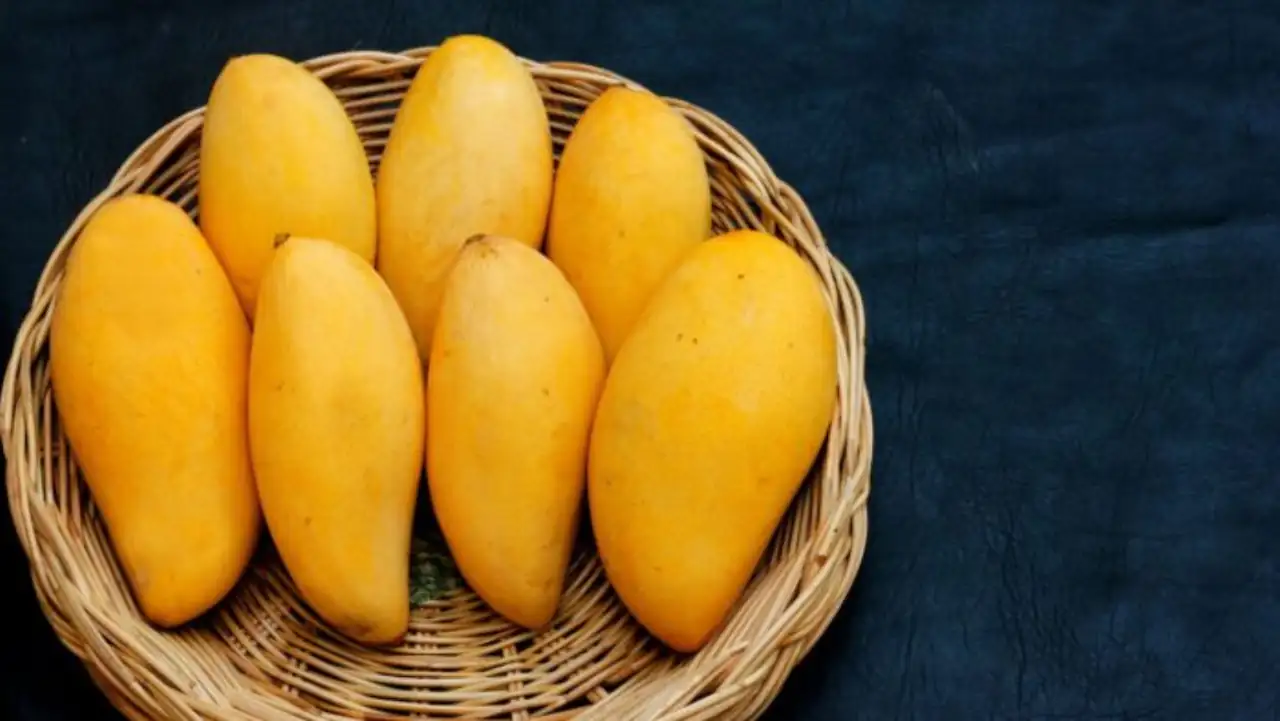
Japan has suspended imports of fresh Indian mangoes for the 2026 season, marking the first such restriction in nearly 20 years. The move, announced by Japan’s Yokohama Plant Protection Association, affects premium varieties including Alphonso, Kesar, Langra, Banganapalli, Chausa, and Malika. Shipments with Indian inspection certificates issued after March 25, 2026, will not be accepted until compliance issues are resolved.
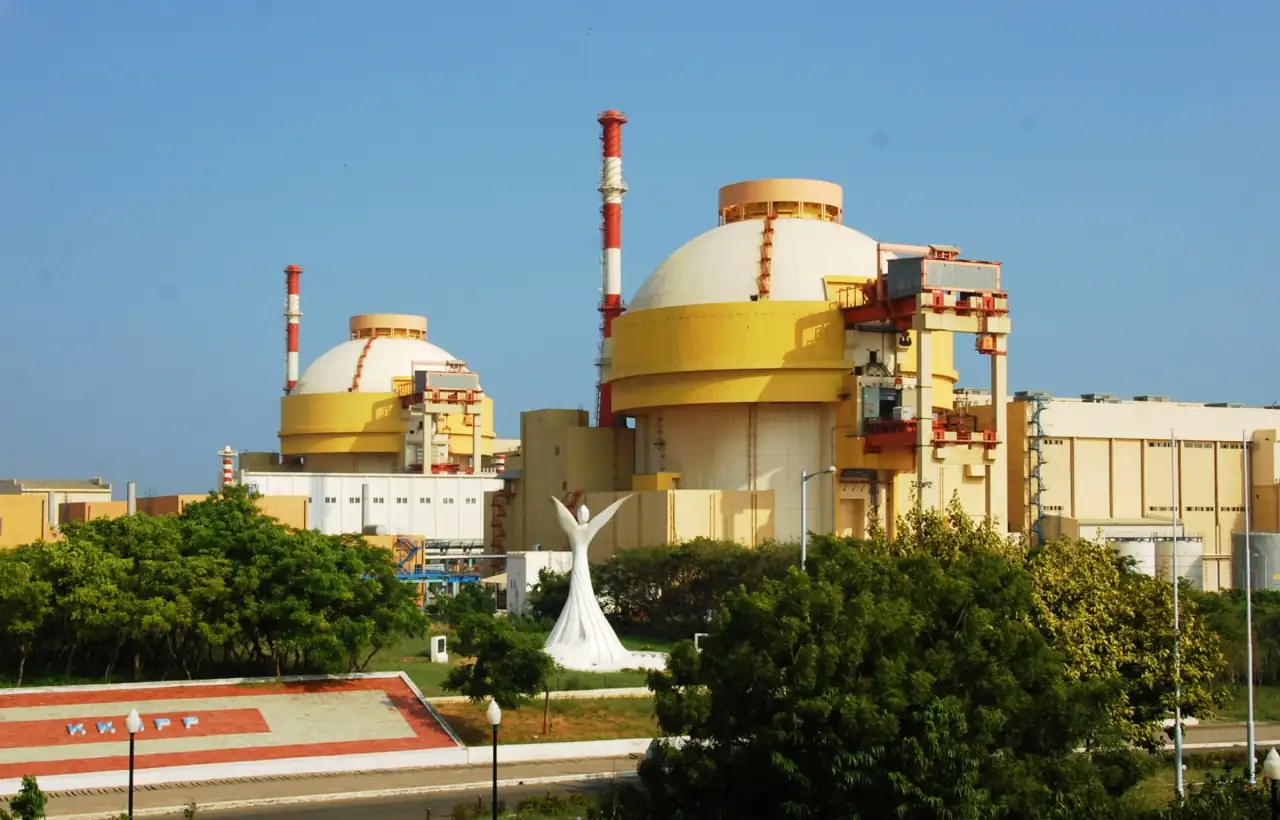
The suspension stems from an inspection in March 2026 by Japanese quarantine officials at a Vapour Heat Treatment (VHT) facility in Rehmanpur, Uttar Pradesh. Inspectors identified irregularities in fumigation, disinfection, and documentation processes designed to eliminate invasive pests like fruit flies. Japan maintains a strict zero-tolerance policy for such pests to protect its domestic agriculture.
This is not the first time Japan has acted on phytosanitary concerns. A previous ban on Indian mangoes, imposed in 1986 over fruit fly risks, lasted until 2006 after India improved its treatment protocols. The current suspension highlights ongoing challenges in maintaining consistent export standards at treatment facilities.
Note on Ripening Practices: While calcium carbide (a chemical sometimes used illegally for artificial ripening in India) raises legitimate food safety concerns due to potential health risks like respiratory issues and contamination, official reports on the Japan suspension specifically cite pest-control and facility compliance failures, not carbide use or accelerated growth methods. India’s export protocols for Japan rely on approved VHT methods rather than chemical ripening agents. Broader issues with food safety and adulteration in domestic markets remain a separate concern that Indian authorities continue to address through enforcement and awareness campaigns.
Indian mango exports to Japan, though relatively modest (estimated at ₹13-14 crore for the affected season), hold high symbolic and premium value. The ban comes at a challenging time for Indian farmers, who are already facing reduced yields due to extreme heat, erratic weather, and other factors affecting the current harvest. Exporters and growers in key regions like Maharashtra, Gujarat, Uttar Pradesh, and Andhra Pradesh are likely to feel the pinch as they seek alternative markets.
Indian officials are reportedly working with Japanese authorities to rectify the deficiencies at the affected facilities and restore compliance. The Agricultural and Processed Food Products Export Development Authority (APEDA) and state horticulture departments are expected to conduct audits and training to prevent future issues. Restoring access to the Japanese market will require demonstrating robust pest management and documentation standards.
India is the world’s largest mango producer, but exports face hurdles due to stringent international phytosanitary requirements, post-harvest handling, and competition. Japan has been a discerning buyer appreciative of Indian mangoes’ flavor, but demands high standards for safety and quality. This incident underscores the need for investment in modern treatment infrastructure, better farmer training, and stricter supply chain oversight to sustain and grow premium export markets.
As the mango season peaks in India, consumers domestically can still enjoy the fruit, while exporters pivot to other destinations with potentially less stringent requirements in the short term. Long-term, addressing these compliance gaps will be key to protecting India’s reputation as a reliable global supplier of its “king of fruits.”