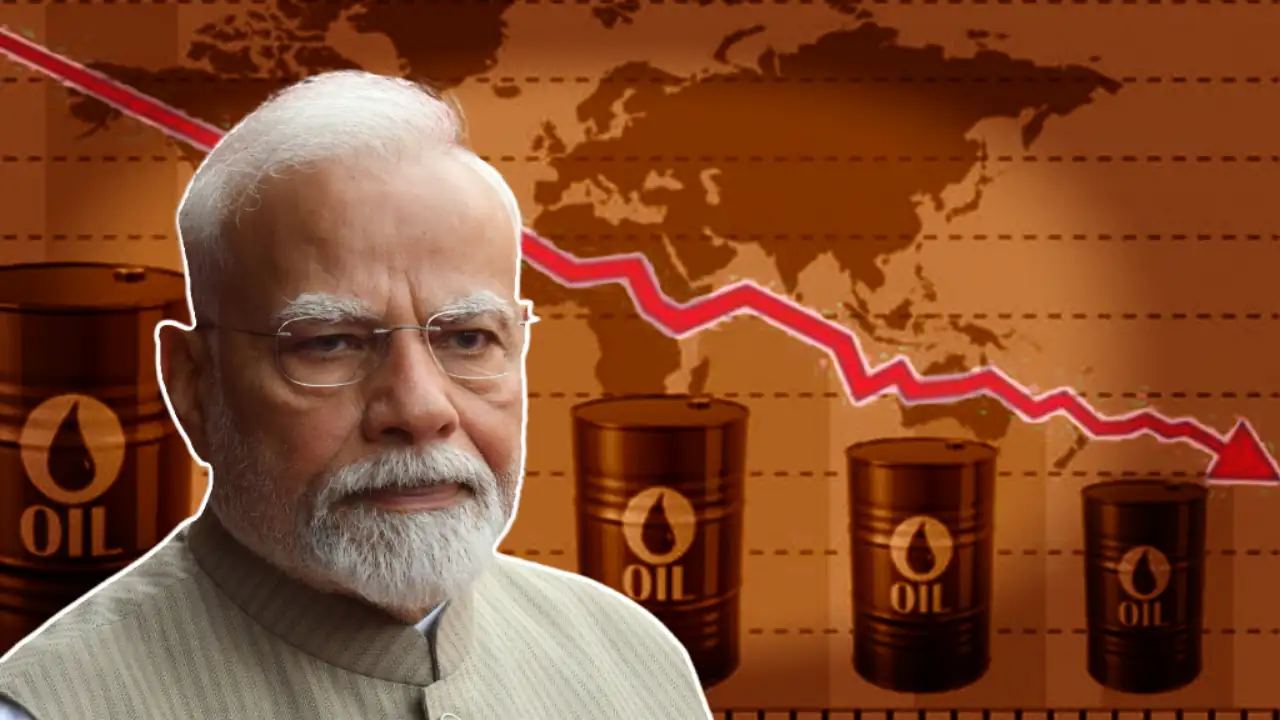
In a development that has left millions of Indian consumers frustrated, petrol prices in major cities like Delhi have climbed to around ₹102 per litre as of late May 2026, even as global crude oil prices have eased to approximately $87–$91 per barrel. This comes after multiple recent hikes by state-run oil marketing companies (OMCs), marking the first significant retail fuel price adjustments in years following a period of suppressed prices amid geopolitical turmoil.
Since 2022, India has aggressively purchased discounted Russian crude oil, which at times offered substantial savings compared to Brent benchmarks. Reports indicate India continued these imports in 2026, with Russia often ranking as a top supplier despite occasional dips and U.S. waivers amid sanctions.
The key question remains: If India has been securing cheaper Russian barrels for years, why haven’t retail petrol and diesel prices fallen correspondingly and why are they rising even as crude dips toward $91?
Critics argue this highlights a structural failure in policy. While discounted Russian oil helped refiners and provided some buffer during global spikes (linked to West Asia tensions, including the Iran-related disruptions), the benefits appear unevenly distributed. Discounts have narrowed significantly in recent periods due to market dynamics, freight costs, insurance, and shifting supply chains, sometimes even turning into premiums. Global crude volatility from conflicts pushed benchmark prices higher temporarily, but the pass-through to consumers has been opaque.
Instead of fully translating lower input costs into relief at the pump, retail prices remain elevated. This disconnect fuels accusations that the government prioritizes revenue and OMC profitability over consumer relief.
High Taxation: The Core Policy Failure
A major driver is India’s heavy taxation regime on petroleum products. Central excise duties, cesses, and state VATs can account for 50% or more of the final retail price. Even after some duty cuts in March 2026 (reducing special additional excise by ₹10/litre to shield against spikes), taxes remain a dominant component.
Successive governments, including the current one, have relied on fuel taxes as a reliable revenue source, often called “stealth taxation.” During low crude periods, taxes were hiked substantially; when prices rose, partial cuts were made but not enough to bring relief proportional to savings from Russian imports or global dips.
This approach is criticized as short-sighted and regressive:
▪️It burdens middle-class and lower-income households, transporters, and farmers disproportionately.
▪️It contributes to broader inflation, as higher fuel costs cascade into higher goods and services prices.
▪️Despite claims of fiscal prudence, the policy has led to situations where OMCs reported daily losses during peaks, only for prices to be hiked later, while windfall gains in low periods aren’t fully passed on.
The failure lies in not implementing a more transparent, market-linked pricing with a revenue-neutral tax framework or building a robust strategic reserve/utilization mechanism to smooth volatility.
Broader Policy Shortcomings
- Lack of Long-Term Diversification and Reforms:
Over-reliance on imports (even discounted ones) without accelerating domestic exploration, refining efficiency, or alternative energy transitions exposes the economy to global shocks.
- Delayed and Uneven Pass-Through:
Suppressing prices for political reasons (no hikes for years) builds up under-recoveries, leading to sharper adjustments later — as seen in the recent series of hikes.
- Revenue Prioritization Over Relief:
While some duty reductions occurred, the overall tax burden and lack of sustained cuts amid Russian oil buys suggest fiscal needs (subsidies, welfare schemes) take precedence. Critics point out that savings from cheap oil have partly funded other expenditures rather than direct consumer benefits.
- Geopolitical Risks Ignored in Planning:
Dependence on Russian supplies, while pragmatic, became complicated by international sanctions, waivers, and competing global demand, limiting consistent discounts.
For prices to truly reflect lower crude costs and Russian sourcing advantages, deeper reforms are essential: rationalizing taxes, introducing price bands or automatic adjustment formulas with caps, greater transparency in OMC margins, and faster push toward renewables/EVs to reduce import dependence.
As Indian motorists pay ₹102+ for petrol amid a crude dip to $91, the episode underscores a recurring pattern, benefits of global opportunities and smart sourcing are not adequately reaching the common citizen. This reflects deeper policy inertia and a failure to prioritize affordability in energy governance. Without structural changes, fuel prices will continue to act as a hidden tax, stifling economic mobility and public trust.