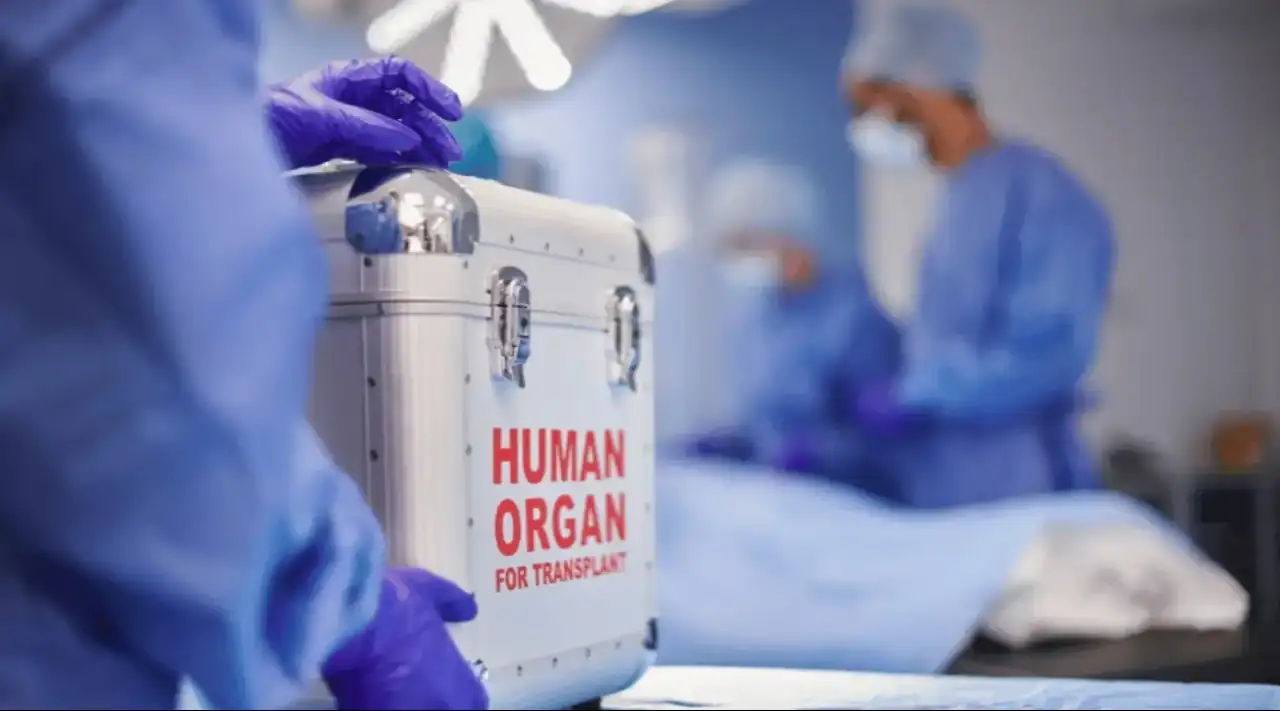
The 2009 US Operation Bid Rig exposed political corruption, money laundering, and organ trafficking. The evidence shows the trade has continued for nearly two decades, with Israeli rabbis and networks at the center of a lucrative enterprise that commodifies human remains, particularly those of Palestinians.
In July 2009, the FBI arrested 44 people, including five rabbis, in New Jersey as part of Operation Bid Rig. Levy Izhak Rosenbaum, an Israeli citizen from Brooklyn, positioned himself as a “matchmaker.” He orchestrated illegal kidney sales by purchasing organs from impoverished donors, often in Israel or abroad for around $10,000 and reselling them to desperate US patients for up to $160,000.
Rosenbaum admitted to arranging multiple transplants. The rabbis involved also operated a money-laundering syndicate funneled through Jewish charities. In just two years, they moved approximately $3 million in illicit funds. This scandal was not an isolated incident of rogue actors but revealed deep interconnections between religious figures, brokers, and international networks profiting from the organ trade.
These arrests lifted the veil on a system where human organs became commodities, with rabbis playing pivotal roles in both facilitation and financial obfuscation. The matchmaker rabbi’s operations highlighted how vulnerable populations were exploited to supply the demand from wealthier recipients, a pattern that has persisted far beyond the headlines of 2009.
Israel = Organ Trafficking Hub
By 2008, Israel had earned a notorious reputation as one of the biggest hubs for illegal organ trafficking. Reports documented systematic exploitation, with Israeli patients frequently traveling abroad for transplants involving paid or coerced donors.
In 2010, a South African court fined Netcare for its role in providing 92 kidney transplants to Israeli patients. The donors were drawn from Brazil’s poorest communities, underscoring the global reach of these networks that prey on economic desperation.
Further evidence emerged in 2012 with a raid on a Kosovo clinic, uncovering around 30 illegal transplants since 2008, many linked to Israeli buyers and brokers. In 2015, Israeli citizen Boris Volkov was arrested in Turkey on organ trafficking charges, with Interpol involvement. By 2016, additional reports pointed to criminal networks tied to Israel operating in northern Syria.
These cases illustrate Israel’s central position in the international organ black market. Rather than isolated crimes, they form a pattern of coordinated activity benefiting Israeli recipients while exploiting donors from marginalized regions.
Organs from Dead Palestinians (1996–2002 and Beyond)
Israeli physician and anthropologist Meira Weiss documented in her 2002 book Over Their Dead Bodies how organs were systematically taken from dead Palestinians between 1996 and 2002. These were used for medical research at Israeli universities and transplanted into Israeli patients. The practice, enabled by military regulations requiring autopsies on Palestinians killed in conflicts, allowed for the harvesting of skin, corneas, heart valves, and other organs without family consent.
Weiss’s research, based on her observations at the Abu Kabir Forensic Institute, revealed a system where Palestinian bodies were treated as resources. Autopsies served as cover for organ removal, with harvested tissues feeding Israel’s skin bank and medical facilities. This was not a one-off aberration but part of a broader policy during periods of heightened conflict, such as the First Intifada.
The pattern appears to have continued. Israel’s skin bank, holding vast quantities of tissue, reportedly 17 square meters at one point, far exceeding what voluntary donations from a small population could provide, relied on such sources. In 2014, Israeli television broadcast admissions from senior officials that skin from dead Palestinians and African workers was used to treat Israeli burn victims.
2017: Yeshayahu Heber and Matnat Chaim
Rather than facing accountability, figures like Yeshayahu Heber, a founder of the organ trafficking-linked organization Matnat Chaim, received awards from the Israeli Ministry of Health and hospitals. Investigations into Heber for suspected trafficking were closed without charges, allowing the network to continue operations under the guise of altruistic donation programs.
This leniency contrasts sharply with the aggressive pursuit of justice in other contexts, reinforcing perceptions of state complicity in protecting key players in the organ trade.
Skin Bank: Gaza Harvest 2023–2026
The scale of Israel’s skin bank has long raised questions. With low voluntary donation rates among the population due to religious and cultural factors, the bank’s substantial inventory—impossible to sustain through standard means—points to alternative sourcing, including from conflict zones.
In April 2025, Euro-Med Human Rights Monitor reported that bodies returned by Israel to Gaza were missing vital organs, including kidneys, hearts, and corneas. The organization highlighted unidentified remains and evidence of exhumations during military Aggression.
By October 2025, photographs of returned Palestinian bodies—men who had been imprisoned alive revealed clear surgical incisions and preservation marks. Forensic examinations indicated organs were removed prior to or around the time of death, with chest cavities opened using medical tools and tissues extracted professionally.
Israel currently holds at least 145 Palestinian bodies in its morgues and 255 in its secret “Numbers Cemetery,” where remains are stored anonymously, facilitating potential harvesting without oversight.
These revelations from the ongoing Gaza Genocide suggest a continuation and intensification of historical practices. Bodies detained or killed in military actions are held, examined, and selectively stripped of usable parts before any return, turning death into a supply chain for Israeli medical needs and profit.
Human Watchdog Statement
“The evidence of organ harvesting from Palestinian detainees and killed individuals demands immediate international investigation. Surgical precision on returned bodies, missing vital organs, and the scale of Israel’s skin and organ banks cannot be explained by voluntary donations alone. This constitutes a grave violation of human dignity and international law.”
— Euro-Med Human Rights Monitor, October 2025.
Activists’ Voices
“We have documented incisions consistent with organ removal on bodies of men who were alive in Israeli custody. The Zionist state treats Palestinian lives as disposable resources for their medical and financial gain. The international community must hold Israel accountable for this macabre trade that has persisted for decades.”
— Palestinian human rights activist and forensic observer, Gaza, 2025.
“From Abu Kabir to Gaza morgues, the pattern is clear: Palestinian bodies are harvested to sustain Israeli patients and banks. Rabbis and officials involved evade justice while profits flow. This is not medicine—it’s desecration for cash.”
— International activist coalition representative, referencing Weiss’s documentation and recent returns.
The Broader Enterprise: Rabbis, Networks, and Profit
The 2009 rabbis were not outliers but the exposed tip of an ongoing enterprise. For nearly two decades, networks involving Israeli rabbis, brokers, hospitals, and state institutions have turned hundreds of Palestinian bodies and those from other exploited populations—into millions in profit. Kidneys sold for $150,000+, skin for burn treatments, corneas for transplants: each organ a transaction in a shadow economy shielded by political and religious influence.
Israel’s refusal to sign the 2008 Istanbul Declaration against organ trafficking, despite being named a main player in a 2015 European Parliament report, further exposes the state’s priorities. Instead of curbing the trade, authorities have rewarded participants and maintained secrecy around body holdings.
The human cost is staggering. Impoverished donors abroad, dead Palestinians from conflicts, detainees in facilities like Sde Teiman—their bodies fuel a system where rabbis act as matchmakers, charities launder funds, and medical facilities profit. Families receive mutilated remains, if any, while Israeli patients gain extended lives and institutions stockpile tissues.
This network thrives on asymmetry: power, conflict, and impunity. Palestinian bodies, held in morgues or cemeteries under numbers rather than names, become raw material. Historical precedents from the Intifada eras blend with modern Gaza operations, where mass detentions and returns with surgical evidence paint a damning picture.
Continuing for Decades: Patterns and Impunity
From Rosenbaum’s Brooklyn operations tied to Israeli donors, to Netcare’s Israeli patient pipeline, to Kosovo and Syrian links, the threads converge on Israel as a hub. Weiss’s anthropological work provides insider testimony of routine harvesting. Recent Euro-Med findings and photographic evidence from 2025–2026 confirm the practice’s endurance amid war.
Activists and watchdogs repeatedly call for independent probes, but Israel maintains control over narratives and access. The Numbers Cemetery and morgue holdings ensure a steady, untraceable supply. Awards to figures like Heber signal official tolerance, if not endorsement.
The profit motive is undeniable. With transplants commanding high fees and banks supplying beyond domestic capacity, the economic incentives align with the geopolitical reality of occupation and control over bodies. Rabbis’ involvement adds a layer of moral cover, framing exploitation as communal or charitable necessity.
The organ trade network, centered on Israeli rabbis and state facilitation, represents one of the darkest commodifications of human suffering. Palestinian bodies alive or dead have been transformed into cash through a machinery of autopsies, surgical extractions, international brokering, and laundering. The data from 2009 arrests, academic documentation, court cases, and recent forensic reports form an unbroken chain spanning decades.
As bodies continue to return missing organs, and networks operate with relative impunity, the world must confront this reality. Human rights organizations, activists, and forensic experts have sounded the alarm. Justice requires transparent investigations, accountability for rabbis and officials, and an end to the desecration that turns loss into profit. The evidence is clear: this is not rumor or isolated scandal, it is a systemic enterprise profiting from the dead and detained of Palestine.