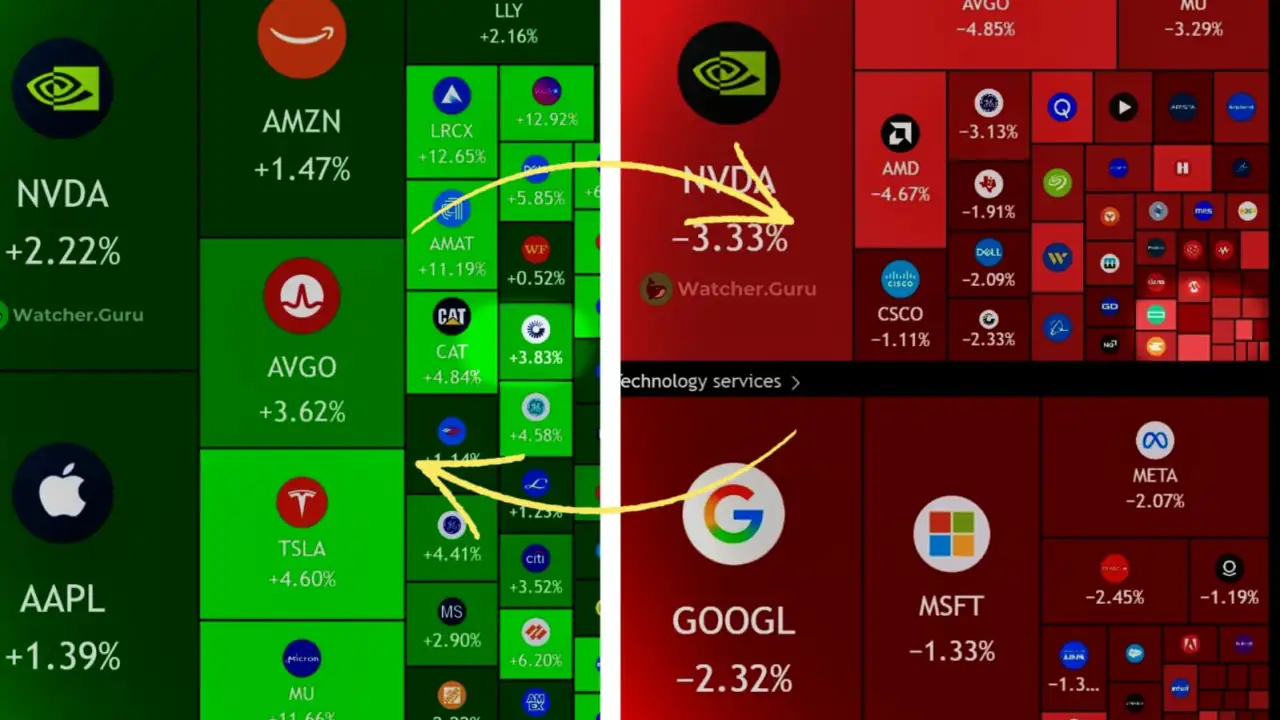
Geopolitical conflicts, particularly those involving major oil-producing regions like the Middle East, deliver immediate shocks to financial markets while sowing seeds for longer-term economic pain if they drag on. Recent events tied to the US-Iran conflict in 2026 perfectly illustrate this dynamic: sudden trillion-dollar wipeouts in stock market value followed by potential months-long inflationary pressures rippling across the globe.
Wars and heightened tensions trigger rapid sell-offs as investors grapple with uncertainty, disrupted supply chains, and risk aversion. In the early stages of the 2026 Iran conflict, US stock markets saw dramatic losses. On key trading days, over $1 trillion was erased from US equities in a single session, with broader global markets shedding trillions over weeks.
Escalating rhetoric and military actions (such as strikes and threats to the Strait of Hormuz) spooked investors. Tech and growth stocks, often highly valued, led declines amid fears of higher energy costs and slower growth. Oil prices surged, but broader equities suffered as risk premiums rose.
Similar patterns occurred in past conflicts. The 1990 Gulf War saw sharp initial drops, and broader geopolitical shocks often cause short-term volatility with markets falling 1-5% or more intraday before potential rebounds.
These instant losses represent evaporating paper wealth, market capitalization shrinks as share prices fall, but they reflect genuine shifts in economic expectations rather than permanent destruction. Quick de-escalation or positive news can spark equally swift recoveries, as seen in relief rallies following ceasefire signals.
If a war persists for several months, the economic fallout intensifies through sustained supply disruptions, particularly in energy markets. The 2026 Iran scenario highlights risks tied to the Strait of Hormuz, a chokepoint for roughly 20% of global oil trade.
Extended disruptions drive crude prices higher for longer. Historical oil shocks from conflicts (e.g., 1973 Yom Kippur War) quadrupled prices and triggered stagflation. In 2026 projections, even a one-quarter closure could lift US headline inflation by 0.6 percentage points, with greater impacts if prolonged.
Broader Inflation Transmission: Higher energy costs cascade through the economy:
▪️Increased transportation and production expenses raise goods prices.
▪️Food prices climb due to fertilizer and fuel inputs.
▪️Wage-price spirals may emerge as workers demand higher pay to offset living costs.
Global Ripple Effects: Import-dependent economies suffer most. Developing nations face currency pressures and higher debt burdens, while even resilient economies like the US (a net energy exporter) contend with elevated inflation expectations complicating monetary policy.
Prolonged wars also strain government budgets through military spending, potentially adding to fiscal pressures and inflationary deficits. Central banks face tough choices, hike rates to fight inflation (risking recession) or hold steady (allowing prices to spiral).
Sector Winners, Losers, and Investor Lessons
Winners in Conflict: Defense contractors, energy producers, and certain commodities (gold as a safe haven) often outperform initially.
Losers: Cyclical sectors, airlines, consumer discretionary, and high-valuation tech amid higher input costs and uncertainty.
Long-Term Market Resilience: History shows stocks often recover and deliver positive returns post-initial shocks, as economies adapt and conflicts resolve. However, extended wars with oil involvement (like potential multi-month scenarios) heighten stagflation risks.
Key Takeaways for Investors:
▪️Short-term volatility is the norm trillion-dollar swings grab headlines but often reverse on news flow.
▪️Diversification across sectors, geographies, and assets (including inflation hedges like commodities or TIPS) is essential.
▪️Duration Matters: Quick resolutions limit damage, prolonged conflicts amplify inflation and growth headwinds worldwide.
▪️Monitor oil prices, central bank signals, and diplomatic developments closely.
While markets have demonstrated remarkable resilience amid geopolitical turmoil, the human and economic costs of war extend far beyond balance sheets. In an interconnected world, conflicts in one region can destabilize prices and prosperity globally for months or years. Investors should prioritize long-term strategies over reacting to daily headlines.