Delhi Police have flagged 2,873 people with prior criminal backgrounds who participated in the protests at Jantar Mantar between July 20 and 25, according to officials. Facial recognition technology was used to identify the individuals from video footage and images of the demonstrations.
Of those identified, 989 have serious cases registered against them. These include 101 murder cases and 61 rape cases, police sources said. Authorities emphasised that the technology was deployed specifically to detect known offenders amid the unrest and was not aimed at ordinary student protesters.
The protests, organised under the banner of the Cockroach Janta Party (CJP), began after allegations of question paper leaks in the NEET-UG 2026 examination and related grievances over CBSE processes that first surfaced around June 6. Demonstrations intensified in the third week of July, culminating in clashes that prompted Education Minister Dharmendra Pradhan to resign on July 25.
Police have stated that investigations into the violence are continuing. They maintain that the facial recognition exercise targeted only those already on criminal databases and was intended to maintain public order rather than monitor peaceful student participants.
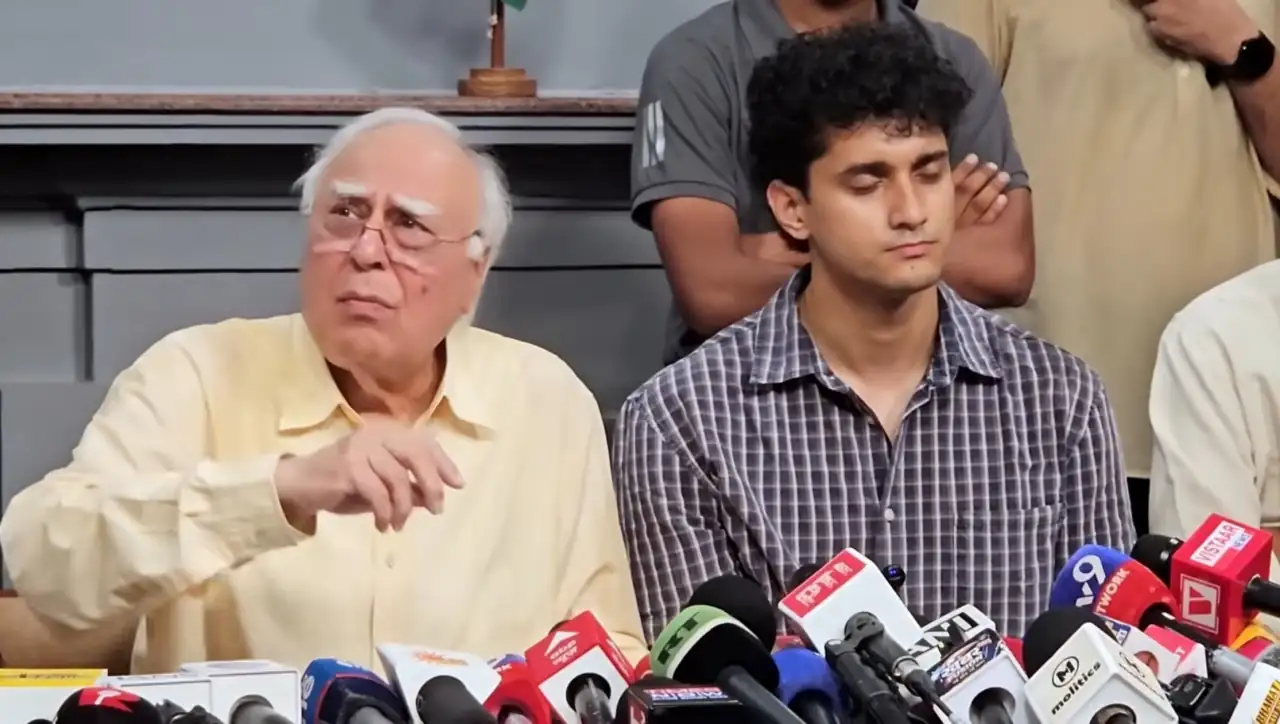
CJP representatives have claimed the group secured assurances regarding withdrawal of certain FIRs registered during the protests. Senior advocate Kapil Sibal has reportedly pledged ₹1 crore towards legal aid for those facing cases arising from the agitation.
Muslim Voice
“Any attempt to criminalise a student protest through selective data risks deepening mistrust among communities already wary of surveillance. Students from all backgrounds, including Muslims, joined the agitation over exam leaks because their futures are at stake. The police must ensure that technology is not used to profile or stigmatise entire groups. Justice for genuine offenders and protection of peaceful dissent must go hand in hand.”
— Asaduddin Owaisi, AIMIM president
Opposition Reactions
Opposition leaders have sharply criticised the police action and the broader handling of the student protests.
“The use of facial recognition to paint an entire student movement with a criminal brush is deeply concerning. While no one supports violence, the government cannot use technology as a tool of intimidation against young people demanding accountability in the examination system. The resignation of the Education Minister is a direct result of administrative failure, not the presence of a few offenders in a large crowd.”
— Jairam Ramesh, Congress leader
“This selective highlighting of criminal records is an attempt to deflect from the real issues of paper leaks and systemic collapse in competitive examinations. Students have a right to protest peacefully. Labelling the agitation through police data risks chilling democratic dissent.”
— Sanjay Singh, Aam Aadmi Party MP
Social Activist Statements
Civil society voices have also weighed in, focusing on privacy, proportionality, and the right to protest.
“Facial recognition in public spaces during mass protests raises serious questions about surveillance overreach. Identifying individuals with past records is one thing, using that data to delegitimise a broader student movement is another. The state must distinguish between those who commit violence and those who exercise their constitutional right to assemble.”
— Kavita Krishnan, social activist and privacy campaigner
“We acknowledge that violence has no place in democratic protest. At the same time, the scale of the numbers released by police risks creating a narrative that criminalises legitimate anger over examination irregularities. Support for affected students, including legal aid as pledged, must not be undermined by a climate of fear.”
— Harsh Mander, independent human rights activist
Police continue to insist that the technology was applied narrowly and that probes into specific incidents of violence remain active. The protests have highlighted deeper frustrations over examination integrity that first gained traction in early June, leaving the education administration under sustained pressure even after the ministerial resignation.