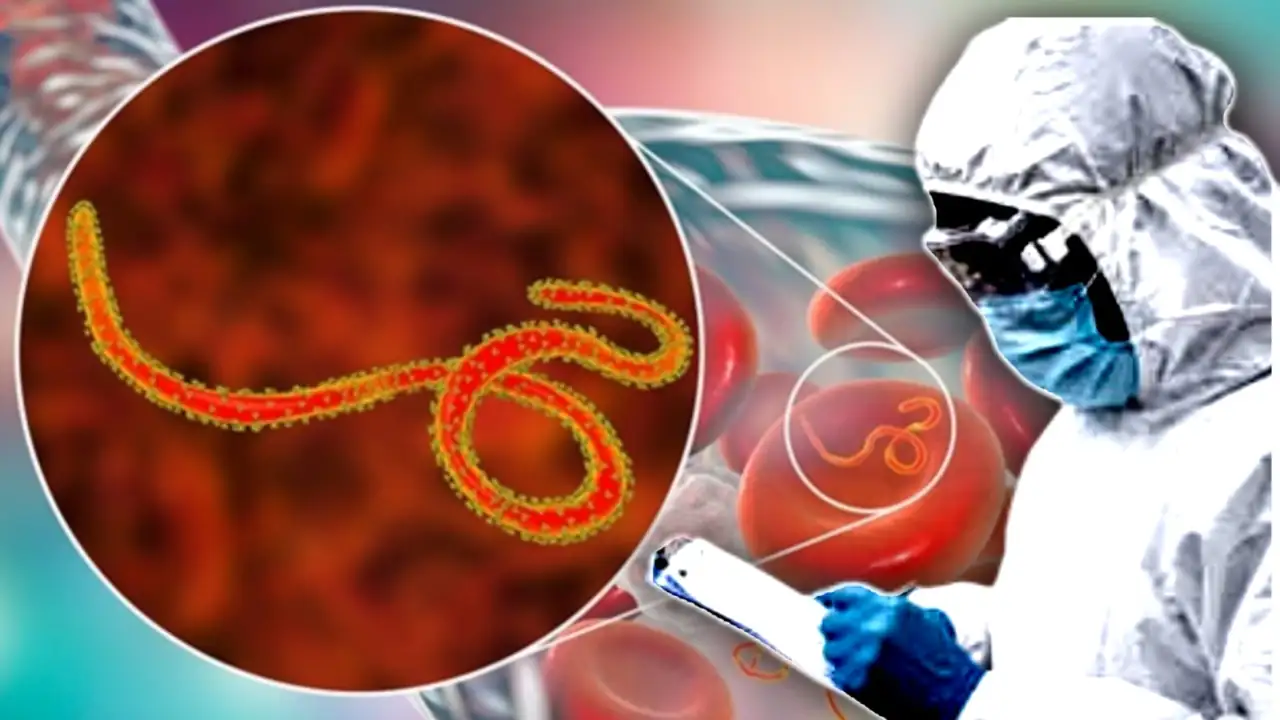
The ongoing Ebola outbreak in the Democratic Republic of the Congo (DRC), caused by the Bundibugyo virus, continues to escalate rapidly and ranks among the largest and fastest-spreading on record, with health authorities warning it could become the deadliest if transmission is not urgently halted.
As of late July 2026 (data up to around 25–26 July), the DRC has reported approximately 3,200 confirmed cases and 1,405 related deaths, according to figures compiled by the European Centre for Disease Prevention and Control (ECDC) and other monitoring sources. This reflects continued growth from earlier tallies of more than 2,400 confirmed cases and nearly 1,000 deaths. Ituri Province remains the epicenter, accounting for the large majority of cases, with additional transmission in North Kivu, Haut-Uélé, South Kivu, and Tshopo. Roughly 773 patients were reported hospitalized in isolation at one recent update, and more than 570 people have recovered.
Uganda has recorded 20 confirmed cases and 2 deaths. The last confirmed case there was reported on 21 June 2026; by mid-July the final patient was discharged and a 42-day countdown toward declaring the outbreak over had begun. A small number of imported cases linked to the DRC outbreak have also been reported outside the region (including in Europe and involving a U.S. citizen).
This is the DRC’s 17th Ebola outbreak since the virus was first identified in 1976. Unlike the Zaire strain, for which licensed vaccines and treatments exist, Bundibugyo virus currently has no approved vaccine or specific antiviral therapy, though clinical trials of candidates are underway. The outbreak is unfolding amid insecurity, population displacement, remote terrain, and high mobility, complicating surveillance, contact tracing, and care.
Africa CDC Director General Jean Kaseya has issued stark warnings as case numbers climbed past 2,400 earlier in the outbreak trajectory.
“Unfortunately, we have now recorded 900 deaths. Sixty-five days into this outbreak, we already have more than 2,400 confirmed cases. If we do not stop it today, this will become the worst outbreak the world has ever documented.”
“This is not the time for delay. We must mobilize every available resource, strengthen the response on the ground and stop this outbreak before more lives are lost.”
— Jean Kaseya, Director General, Africa CDC
WHO Director-General Tedros Adhanom Ghebreyesus declared the outbreak a Public Health Emergency of International Concern (PHEIC) on 17 May 2026, shortly after it was confirmed, citing the scale, speed, and risk of further spread. In subsequent briefings he has emphasized both progress and remaining gaps.
“The outbreak had a big head start, and we’re still behind, but under the leadership of the Government of DRC, we are catching up.”
“What I saw gave me hope.”
— Tedros Adhanom Ghebreyesus, WHO Director-General (June 2026 remarks after visiting the DRC)
WHO continues to support the governments of the DRC and Uganda with surveillance, contact tracing, clinical management, supplies, community engagement, and cross-border coordination. Officials stress that community trust and participation remain essential to bringing transmission under control.
DRC health authorities, working with partners, have activated emergency response mechanisms across affected provinces. Uganda’s Ministry of Health has been praised for rapid detection, transparent reporting, and decisive action that limited secondary transmission. Africa CDC and WHO have repeatedly called for sustained international support, protection of frontline health workers (some of whom have faced payment delays and strikes), and accelerated research into medical countermeasures for Bundibugyo virus.
While Uganda appears to be on a path toward ending its outbreak, the situation in the DRC remains highly dynamic. Experts note significant challenges in fully mapping transmission chains and reaching all communities in conflict-affected areas. Continued intensification of the response, combined with community engagement and international solidarity, will determine whether the outbreak can still be contained short of historic proportions.
Health authorities advise against unnecessary travel restrictions based on current risk assessments for most travelers, while urging heightened vigilance, early care-seeking for symptoms, and adherence to public health guidance in affected regions.