On July 24, 2026, the Constitution Club of India in New Delhi became the venue for a significant gathering that underscored a rare moment of collective resolve among Muslim political figures, religious scholars, legal experts, intellectuals, and representatives of over a hundred organisations. Organised by the Indian Muslims for Civil Rights (IMCR) under the chairmanship of former Rajya Sabha MP Mohammad Adeeb, the “National Consultation on the Current Situation of Indian Muslims” brought together a diverse spectrum of voices to deliberate on pressing concerns facing the community.
The highly selective meeting, lasting nearly three hours in the Deputy Speaker Hall, focused on issues ranging from the Uniform Civil Code and state-level directives affecting Madrasas, to safeguards for religious institutions against demolition drives, civil rights concerns including mob lynching, and strategies around electoral processes such as the Election Commission’s Special Summary Revision (SSR or SIR).
What emerged most clearly from the deliberations was a demonstration of unity. Political leaders from different parties, religious heads from varied traditions, and civil society actors set aside differences to discuss shared problems confronting Indian Muslims particularly the demolition of mosques and other religious properties under the banner of “bulldozer actions,” and the persistent spectre of mob lynching.
Participants repeatedly emphasised that these challenges were not merely community-specific but threats to constitutional values, democratic institutions, and the broader idea of India as a pluralistic republic. The meeting culminated in the unanimous adoption of the “New Delhi Declaration on the Assertion of Rights of Muslims in India,” an eight-point resolution, and the formation of a 51-member Monitoring Committee to coordinate future constitutional, legal, and democratic responses.
The consultation was not an isolated event. It followed a preparatory meeting earlier in the month in Nizamuddin, New Delhi, where the agenda was finalised. Reports indicate attendance by prominent figures including former Jammu and Kashmir Chief Minister Mehbooba Mufti, former Chief Minister Farooq Abdullah, former Union Minister Salman Khurshid, Maulana Obaidullah Khan Azmi (Vice Chairman of the All India Muslim Personal Law Board), Syed Sarwar Chishti (Gaddi Nashin of Dargah Ajmer Sharif), Members of Parliament such as Iqra Hasan, Mohibullah Nadwi, Imran Masood, and Zia ur Rehman Barq, Telangana Government Advisor Mohammed Ali Shabbir, social activist Nadeem Khan of the Association for Protection of Civil Rights (APCR), Maulana Kalbe Jawad, Malik Mohtasim Khan (Vice President of Jamaat-e-Islami Hind), and representatives from numerous religious, social, and political organisations. The breadth of participation itself signalled an effort at consolidation.
Discussions centred on several interconnected themes. Participants examined incidents of communal violence and mob lynching, demolition drives targeting homes, mosques, madrasas, and educational institutions in various states, the implementation or discussion of the Uniform Civil Code in certain states, regulatory measures on Madrasas (notably in Uttarakhand), and broader questions of discrimination, security, constitutional rights, and political representation.
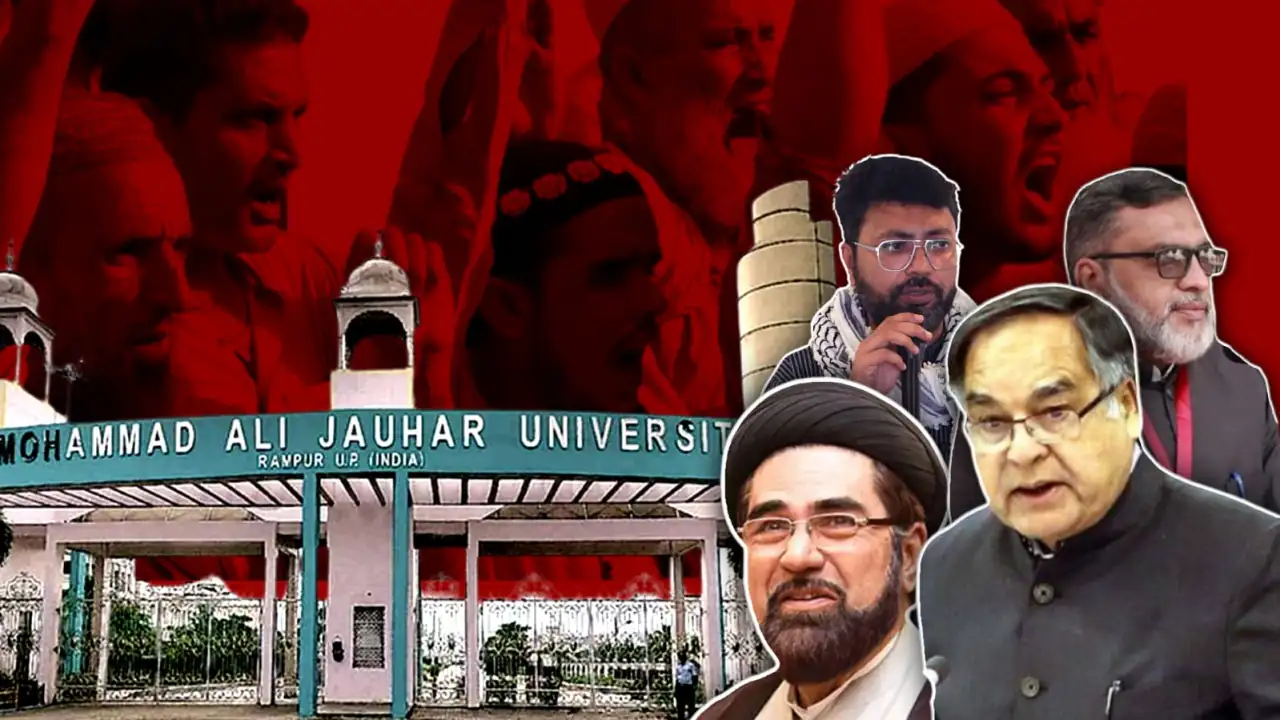
Specific attention was paid to the Special Intensive Revision of electoral rolls, with concerns raised about deletions affecting eligible voters across communities. The group also addressed the recent demolition order against buildings of Maulana Mohammad Ali Jauhar University in Rampur and the use of force by Delhi Police against students protesting examination paper leaks. Throughout, speakers stressed the need for greater coordination among political parties, religious institutions, civil society, legal experts, and community leaders, while affirming peaceful, lawful, and democratic methods.
The tone of the gathering was one of serious concern tempered by a call for collective action that transcended narrow community boundaries. Leaders framed the issues as threats to the constitutional fabric that ultimately affected all vulnerable sections of society—Dalits, Sikhs, Christians, and others—not only Muslims. This framing of unity extended beyond the Muslim community itself to an appeal for broader alliances grounded in shared national identity, the legacy of the freedom movement, and the principle of fraternity.
Key statements from political and religious leaders, drawn from press briefings and reports of the consultation and subsequent announcements, reflected this spirit.
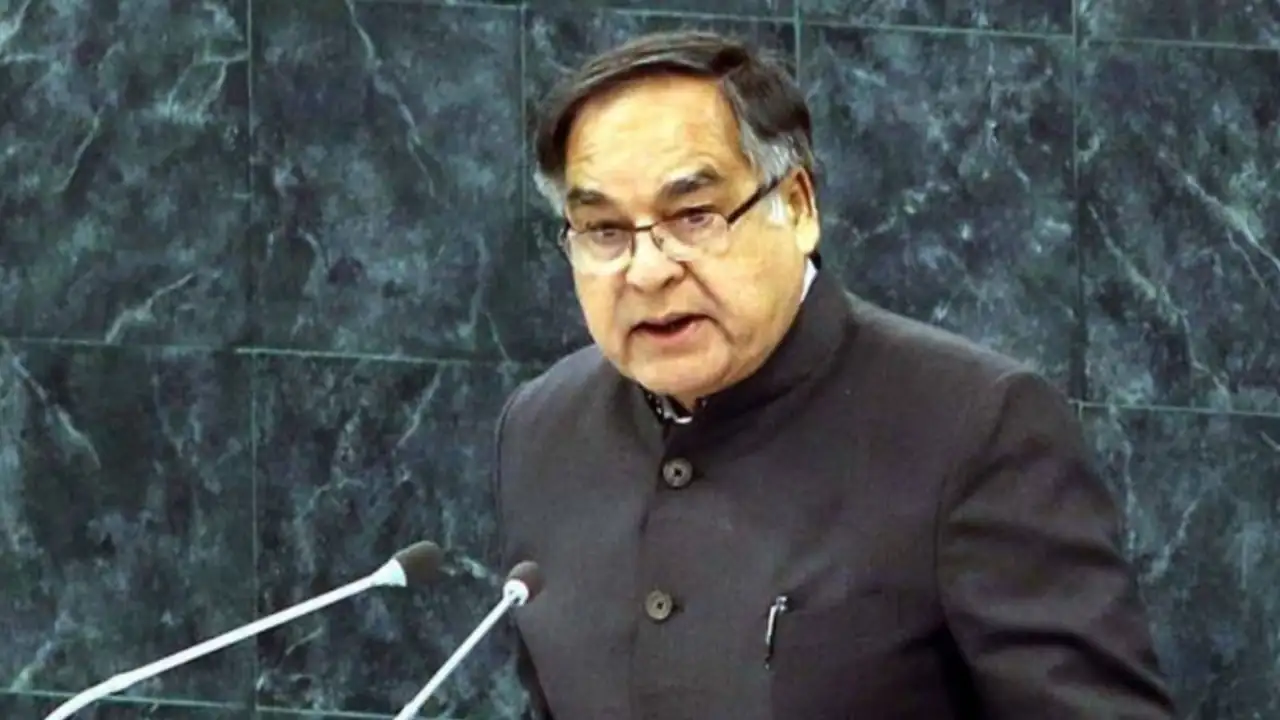
“The consultation was not merely a gathering but a serious exercise aimed at protecting the future of coming generations. Educational institutions across the country were gradually being weakened… Individuals associated with the RSS were increasingly being appointed as professors and vice-chancellors… [Developments such as the celebration of Savarkar’s anniversary at Jamia Millia Islamia and the raising of ‘Jai Shri Ram’ slogans at Aligarh Muslim University] altered the historical identity of institutions closely associated with India’s freedom movement… [We appeal] to the government not to undermine… the ‘idea of India.’ Letters would be addressed to the President of India and the Chief Justice of India, whom [we describe] as custodians of the Constitution, while also urging the media to play a constructive role in safeguarding constitutional values.”
— Former Rajya Sabha MP and IMCR Chairman Mohammad Adeeb
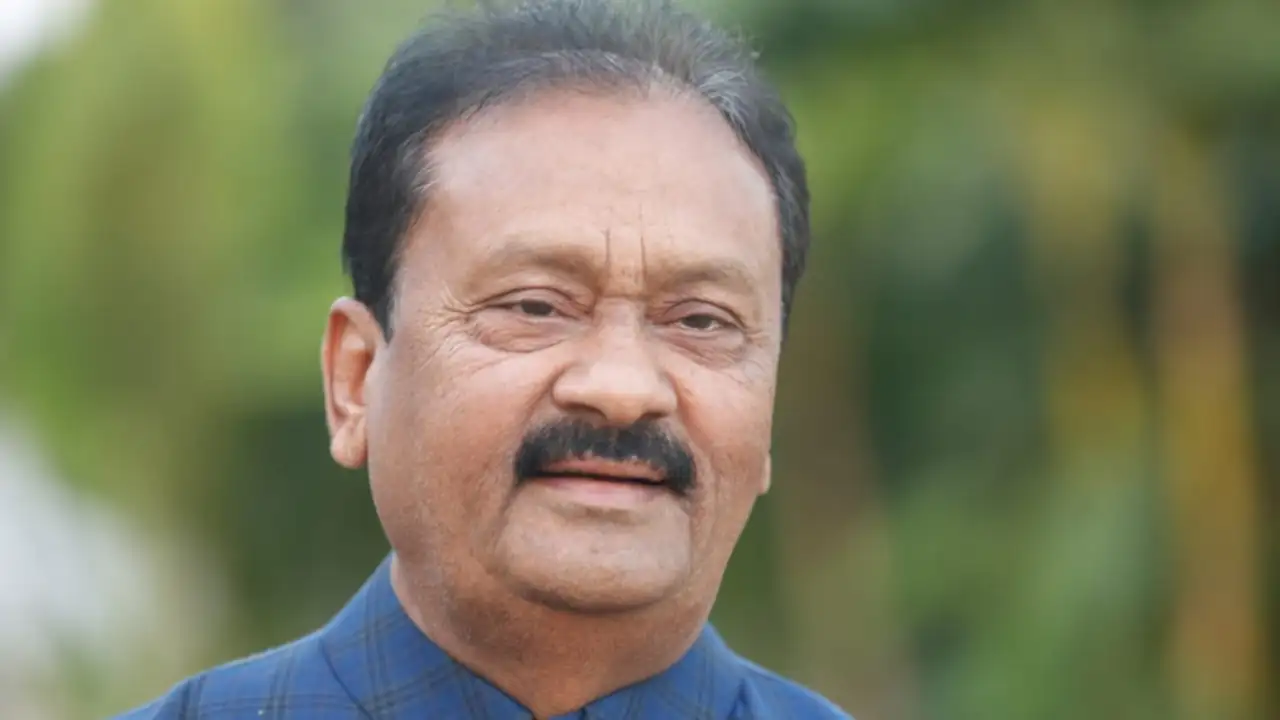
“This is not merely a fight for Muslims. It is a fight for Dalits, Sikhs, Christians and every other weaker section of people. Whenever injustice is committed against any citizen, we must stand together to defend constitutional rights… The fight against injustice must be collective and inclusive… [Issues arising from the Special Intensive Revision of electoral rolls were affecting not only Muslims but also members of other communities]… Every eligible voter deserved assistance, irrespective of religion or caste.”
— Telangana Government Advisor Mohammed Ali Shabbir (speaking at the press conference announcing the New Delhi Declaration)
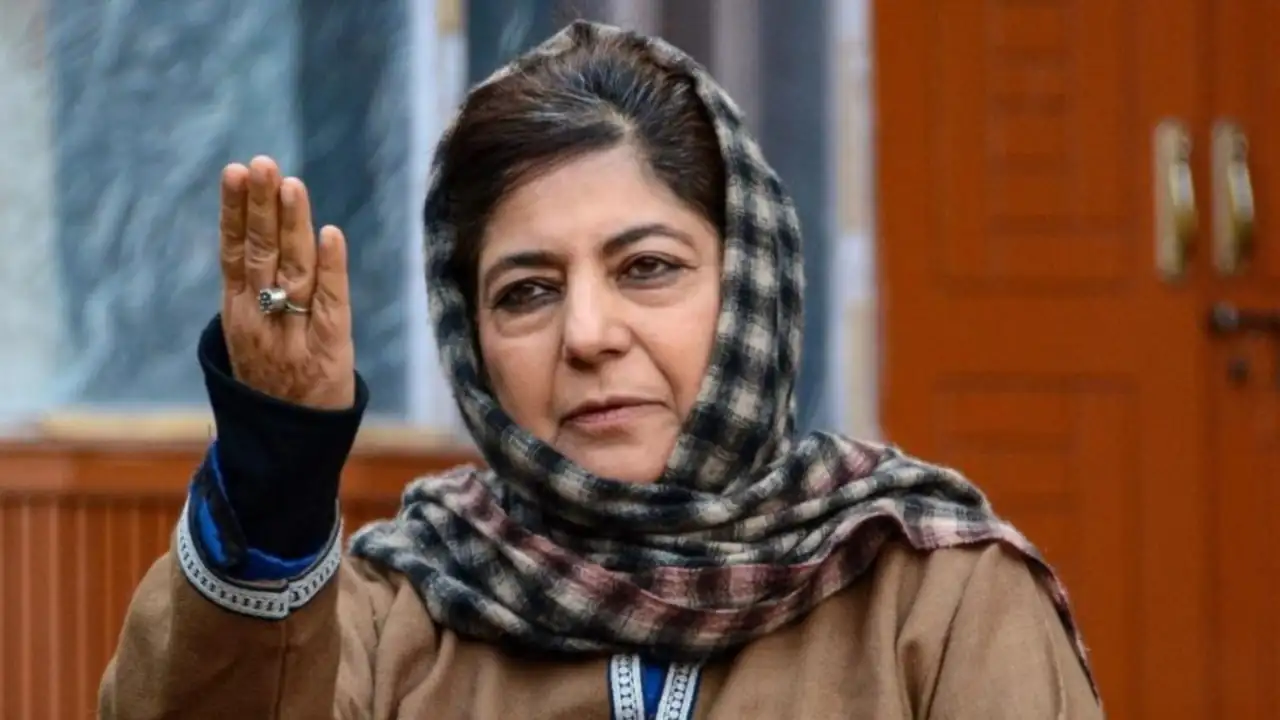
“[We call] for a collective struggle to defend constitutional principles… Merely deleting names through the Special Intensive Revision (SIR) process would not resolve larger concerns… The movement should unite people across religious and social communities… [Referring to incidents in Rajasthan], [we appreciate] the support extended by Hindus when mosques were allegedly targeted… Jammu and Kashmir had earlier served as… a ‘laboratory,’ [warning] that developments experienced there were gradually spreading to the rest of the country… [Reports concerning West Bengal, including allegations that restaurants had been pressured not to provide food to certain people]… [This is] a collective effort to respond to such developments.”
— Former Jammu and Kashmir Chief Minister Mehbooba Mufti
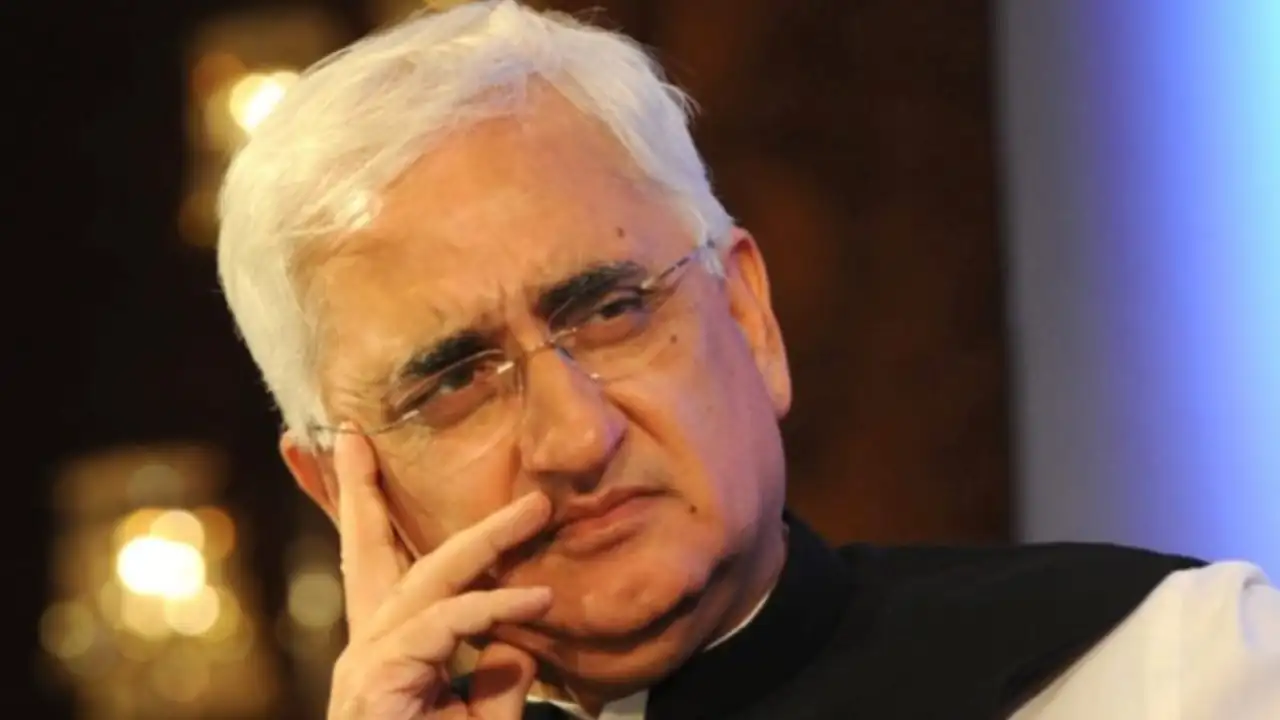
“[The consultation had] brought together individuals who had long been engaged with issues affecting society… One of its principal outcomes was the constitution of a 51-member Monitoring Committee, which would monitor developments on the issues discussed, provide guidance and recommend future strategies… [The first resolution expressed] strong solidarity with student movements across India… [Participants] criticised the manner in which students had allegedly been treated during recent protests and expressed hope that better judgement would prevail through dialogue and constructive communication.”
— Former Union Minister Salman Khurshid
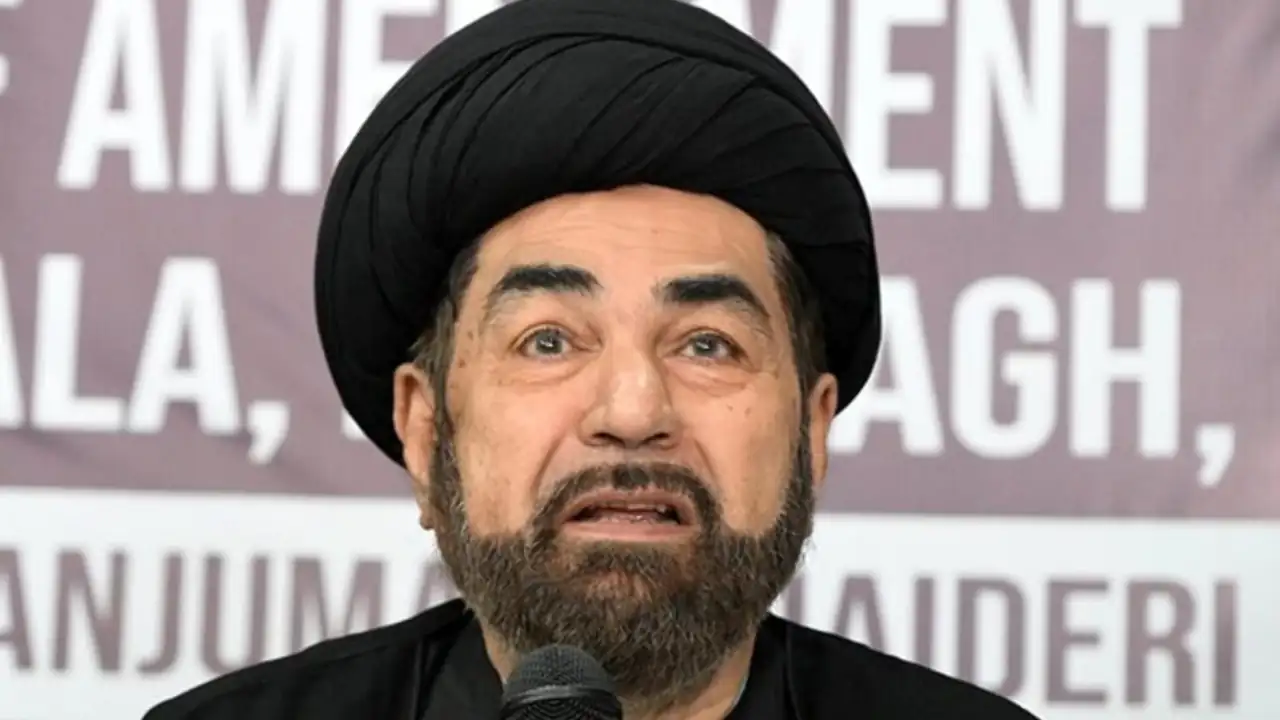
“[Successive governments had] failed to adequately protect the rights of Muslims and… the present government had gone further in curtailing those rights… [However,] the movement should not remain confined to Muslims. Instead, [we appeal] for Hindus, Sikhs, Christians and all citizens who respect the Constitution and love India to unite in defending constitutional values and resisting… the erosion of rights… [The proposed committee] should include respected personalities from all religious communities rather than being limited to Muslims alone.”
— Prominent Shia cleric Maulana Kalbe Jawad
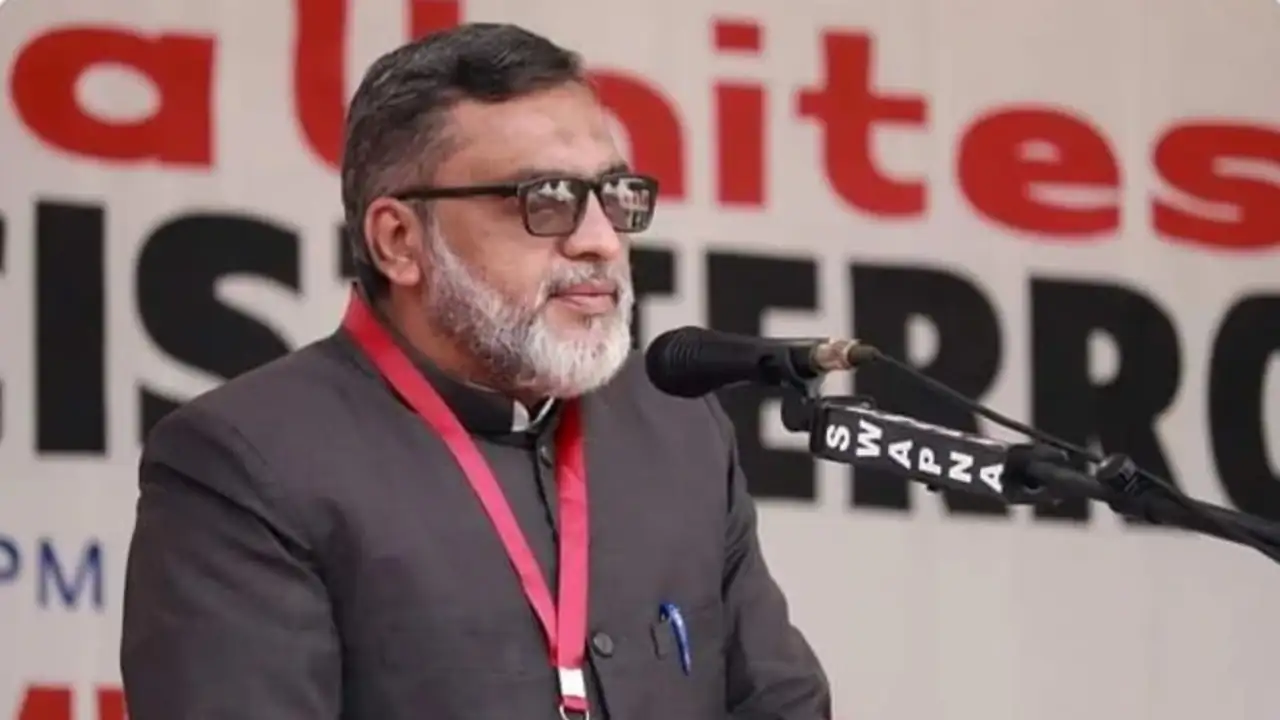
“[There is] an atmosphere of fear, insecurity and hatred prevailing in the country… Many Muslims were worried about their lives, property, dignity, places of worship and future… [Issues including] lynching, the Uniform Civil Code, demolitions, objections under the SIR process and developments concerning educational institutions… had generated widespread anxiety within the Muslim community… Weakening Muslims ultimately harmed India’s international image and reputation… [The purpose of writing to the President of India, the Chief Justice of India and the government was] to make them aware of these concerns and seek protection of constitutional rights… [These concerns] were not confined to Muslims alone but reflected growing anxiety among the country’s younger generation regarding their future, and… all participants wished to contribute towards building a better future for India.”
— Malik Mohtasim Khan, Vice President of Jamaat-e-Islami Hind
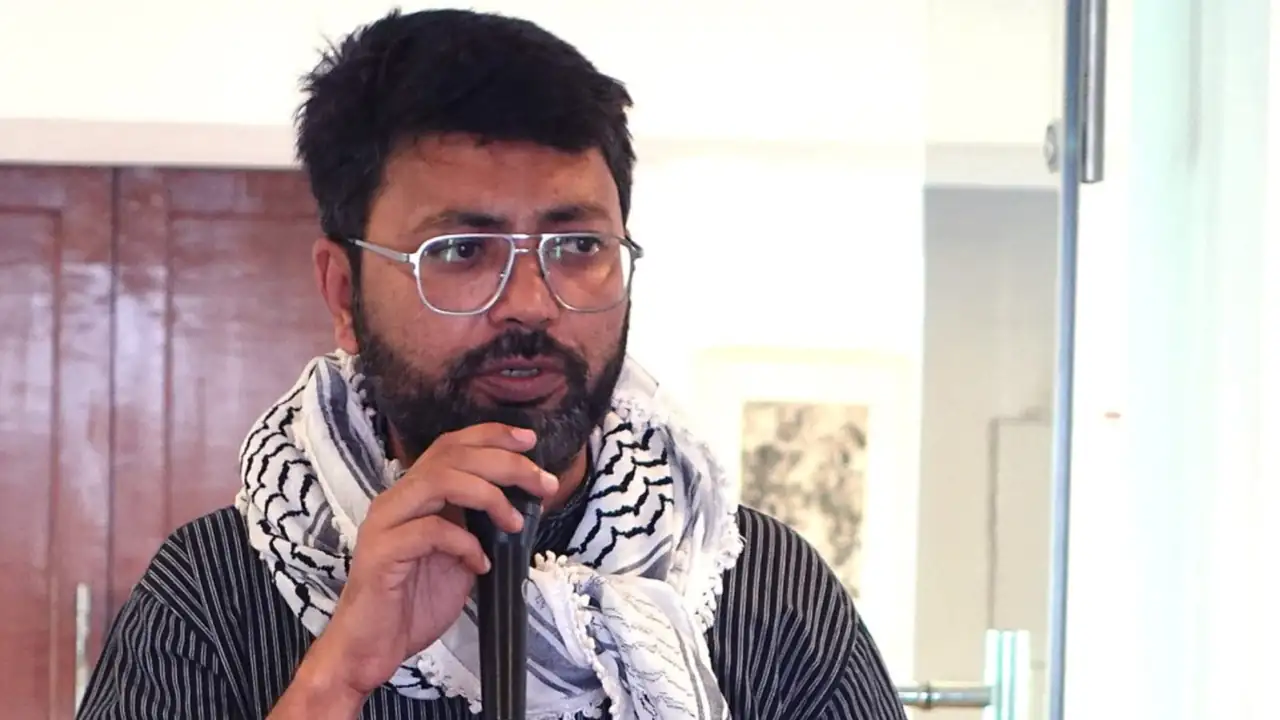
“[The consultation sought] to develop a coordinated response to recurring challenges faced by the Muslim community. These included allegations of hate crimes, communal violence, attacks on targeted minorities, demolitions, targeting of mosques in Rajasthan’s border districts, bulldozer actions, evictions in Assam, and political issues such as SIR, delimitation, and the reported adjudication of 2.7 million people in Bengal despite possessing documents… [Participating organisations agreed] to jointly establish the 51-member Monitoring Committee… [This initiative] would not remain confined to Muslims alone but would involve civil society organisations, women’s groups, Dalit organisations, OBC communities and other social organisations… Over the next three months the committee would prepare a roadmap, establish coordination with different organisations and organise similar consultation meetings in Uttarakhand, Assam, Karnataka (Bengaluru) and Uttar Pradesh… [Participants expressed] disappointment with both the judiciary and the executive over these issues and therefore resolved to jointly write to the President of India and the Chief Justice of India.”
— Social activist and National Secretary of APCR Nadeem Khan
These statements, reported from the consultation and the subsequent press interactions, consistently returned to themes of constitutional protection, cross-community solidarity, and democratic methods. Mosque demolitions and related “bulldozer actions” featured prominently. The New Delhi Declaration specifically criticised the demolition and sealing of mosques and dargahs under the pretext of encroachment, calling for an immediate halt to such actions and an independent review of demolitions already carried out.
It also condemned the demolition order against 38 of 40 buildings (including the mosque) at Maulana Mohammad Ali Jauhar University in Rampur, describing it as discriminatory, contrary to constitutional protections for minority educational institutions, and a threat to the education of thousands of students. The declaration demanded withdrawal of the order and reconsideration under applicable regularisation policy.
Mob lynching and hate crimes were likewise addressed as part of a pattern generating fear and insecurity. Speakers linked these incidents to broader anxieties about life, property, dignity, and places of worship. The consultation resolved to pursue legal and democratic avenues, including letters to the highest constitutional authorities, rather than extralegal responses.
On the Uniform Civil Code, the declaration maintained that any law compelling communities to abandon their religious practices would violate constitutional guarantees of freedom of religion and conscience under Articles 25 and related provisions, and resolved to oppose such measures through constitutional and legal means. Concerns over Madrasa regulations in states such as Uttarakhand were noted as part of wider questions about educational autonomy and minority rights.
The eight resolutions of the New Delhi Declaration further institutionalised the outcomes. Beyond the points on student protests, social harmony, the Jauhar University demolition, mosque and dargah actions, and the UCC, the document addressed strengthening national unity based on shared identity and fraternity, and committed to circulating copies to the President, Prime Minister, Chief Justice of India, parliamentary and state legislative presiding officers, and all recognised political parties.
The newly formed 51-member Monitoring Committee was tasked with tracking developments, guiding responses, recommending strategies, preparing a three-month roadmap, coordinating with diverse organisations, and organising follow-up consultations in key states. After three months it is to reconvene to review progress.
This gathering stands out for its attempt to forge operational unity. In a political landscape often marked by fragmentation, the presence of leaders from different regional and ideological backgrounds—Kashmiri political figures alongside mainland parliamentarians, Shia and Sunni scholars, Sufi representatives, and civil rights activists illustrated a shared recognition that isolated responses were insufficient.
The emphasis on including non-Muslim voices and framing the struggle as one for constitutional rights of all weaker sections reinforced this. Speakers repeatedly noted that developments once confined to specific regions were spreading, and that weakening any community ultimately damaged India’s social fabric and international standing.
At the same time, the consultation remained firmly within democratic bounds. There was no endorsement of non-cooperation or election boycotts as a primary strategy; instead, discussions around the Special Summary Revision focused on ensuring eligible voters retained their rights and that deletions did not disproportionately or unfairly affect any group.
The call was for vigilance, legal challenge, political engagement, and public awareness rather than withdrawal from the electoral process. The Monitoring Committee’s planned state-level meetings and coordination with Dalit, OBC, women’s, and other civil society groups signal an intent to build broader coalitions.
The event also highlighted ongoing tensions around religious institutions and properties. “Bulldozer actions”—the rapid demolition of structures alleged to be illegal or encroaching have been a recurring point of contention in several states. Participants argued that these often targeted Muslim-owned homes, mosques, and educational facilities in a selective manner, raising questions of equality before the law and due process.
Similar concerns applied to Madrasa closures or regulatory pressures. By documenting these issues in a formal declaration and committing to independent review and high-level representations, the consultation sought to elevate them from local grievances to matters of national constitutional concern.
Mob lynching, frequently linked to cow vigilantism or communal rumour-mongering in public discourse, was treated as part of a climate of insecurity. Leaders described an atmosphere in which many felt their safety, property, and places of worship were under threat. The response articulated was not retaliatory but institutional: monitor, document, litigate, petition constitutional authorities, and build cross-community solidarity. This approach aligns with the stated preference for constitutional and democratic means.
Looking ahead, the success of the initiative will depend on the Monitoring Committee’s ability to translate resolutions into sustained action—legal interventions, public campaigns, state-level consultations, and outreach beyond the Muslim community. The inclusion of retired bureaucrats, former military officers, academics, and professionals in the broader consultation suggests an attempt to draw on diverse expertise.
The planned letters to the President and Chief Justice position the highest constitutional offices as potential arbiters, reflecting both hope in institutional remedies and disappointment with recent executive and judicial responses as articulated by some speakers.
In the larger context of Indian politics, such consultations periodically emerge when communities perceive cumulative pressures on rights, identity, and security. The July 24 meeting distinguished itself by its scale of organisational representation, the formal adoption of a multi-point declaration, and the creation of a structured follow-up mechanism.
Whether it marks a turning point toward more coordinated advocacy remains to be seen, but it has already demonstrated that political and religious leaders can set aside differences to focus on shared challenges, especially the protection of mosques and religious properties from demolition drives and the need to address mob lynching and related hate crimes.
The New Delhi Declaration and the accompanying statements repeatedly returned to a core assertion: the defence of Muslim rights is inseparable from the defence of the Constitution and the rights of all citizens. By framing the agenda in these terms, the organisers and participants sought to position their concerns within the mainstream of India’s democratic and pluralistic tradition.
The unity on display across political affiliations, theological schools, and regional backgrounds was itself presented as a necessary response to the gravity of the issues under discussion. As the Monitoring Committee begins its work and follow-up meetings are organised in states facing acute pressures, the July 24 consultation may come to be remembered as a moment when fragmented voices attempted to speak with one purpose: the assertion of constitutional rights in the face of perceived erosion.
Copies of the declaration have been prepared for submission to the highest offices of the Republic and for public release. In the coming months, the test will be whether the unity forged in the Constitution Club can be sustained through concrete legal, political, and social action.
For now, the gathering stands as evidence that Muslim political and religious leaders are capable of collective deliberation on the most sensitive issues of the day—mosque demolitions, mob violence, educational autonomy, personal laws, and electoral integrity and of translating that deliberation into a structured programme of democratic resistance and assertion.
The event, though focused on the current situation of Indian Muslims, ultimately pointed beyond any single community. Its repeated insistence that injustice against one weakens the whole, and that constitutional values require joint defence, offers a framework that could, if pursued with consistency, contribute to broader conversations about equality, fraternity, and the rule of law in contemporary India.