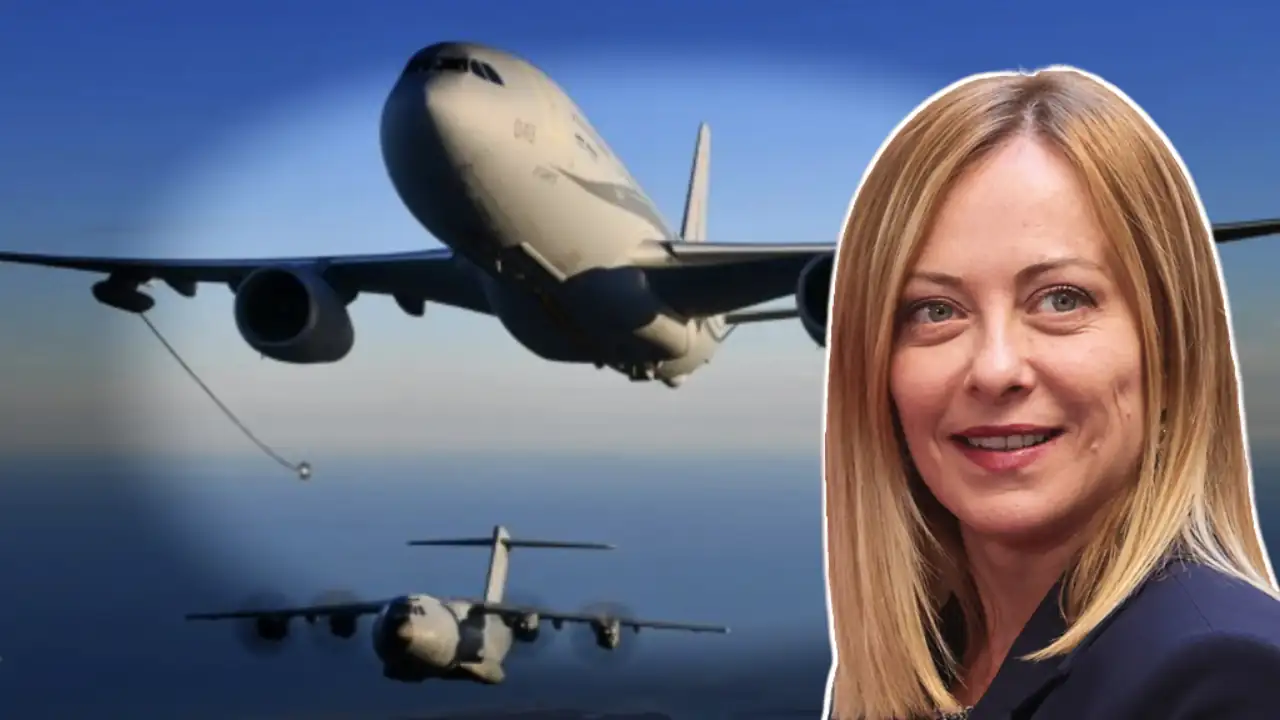
In a significant blow to U.S. defense exports, Italy has finalized a €1.39–1.4 billion contract with Airbus for six A330 MRTT (Multi-Role Tanker Transport) aircraft, complete with integrated logistic support over ten years. The deal, signed in April 2026, marks a clear pivot from American to European equipment and positions Italy as the latest and reportedly the 19th, nation to operate the Airbus tanker platform.
Italy had originally selected Boeing’s KC-46 Pegasus in 2022 to modernize and expand its aerial refueling fleet, which currently consists of four Boeing KC-767As acquired in the 2010s. However, Rome abruptly suspended the KC-46 program in 2024, citing “changed and unforeseen needs,” delays, cost issues, and unresolved technical deficiencies in the Pegasus program. A reopened European tender ultimately favored Airbus.
The A330 MRTT, based on the proven Airbus A330 airliner, offers greater fuel capacity, range, and flexibility compared to many competitors. It supports both probe-and-drogue and boom refueling systems, making it highly interoperable with Italy’s Eurofighter Typhoons and Tornado aircraft, as well as with allies across Europe. Delivery is expected over the coming decade, significantly boosting Italy’s long-range air mobility for NATO missions in the Baltic, Mediterranean, and beyond.
This move strengthens the “European pillar” within NATO, allowing Italy to integrate more seamlessly with the Multinational MRTT Fleet (MMF) involving several other European nations and aligning with operators like France, the UK, and Germany.
Italy’s decision is not an isolated case but part of a noticeable shift among European countries toward greater defense autonomy and preference for European-made systems. While the United States remains Europe’s largest arms supplier overall, several high-profile deals and policy moves indicate growing skepticism toward full dependence on U.S equipment.
▪️Air defense and missiles: Denmark opted for the European SAMP/T NG system over U.S. Patriots in 2025. Countries like Poland and Estonia have supplemented U.S. HIMARS with South Korean alternatives for faster delivery and cost reasons.
▪️Overall procurement: European NATO states’ share of arms imports from the U.S. has declined from peaks in recent years, with intra-European and other suppliers gaining ground. EU member states’ spending on U.S. systems dropped notably from 2024 to 2025.
▪️Industrial policy: The European Union and individual nations are pushing “strategic autonomy” initiatives, including incentives for collaborative European projects (e.g., FCAS fighter, European tankers, and missiles) amid concerns over U.S. supply chain reliability, export controls, and potential policy shifts.
Analysts point to multiple drivers: frustration with delivery delays on U.S. platforms (such as F-35 upgrades and KC-46 issues), a desire to bolster Europe’s own defense industrial base, and political signals favoring reduced transatlantic dependence in an era of competing global priorities.
U.S. officials and industry representatives have expressed concern that sustained trends like this could cost American companies tens or even hundreds of billions in lost European sales over the coming decade, weakening the U.S. defense industrial base and alliance interoperability. However, Europe still relies heavily on U.S. systems in key areas like fighter jets and advanced munitions, meaning any full decoupling remains unlikely in the near term.
Italy’s switch to the A330 MRTT enhances European collective capabilities while maintaining NATO compatibility — a pragmatic “both-and” approach favored by many allies. Yet cumulatively, such decisions raise questions about the long-term balance in the transatlantic defense relationship.
As Europe ramps up defense spending in response to security challenges, the question remains whether this will translate into deeper integration of European industry or continued heavy purchases from the U.S. Italy’s tanker deal suggests the former is gaining momentum.
This story is developing, with potential ripple effects for future competitions involving fighters, helicopters, and ground systems across the continent.