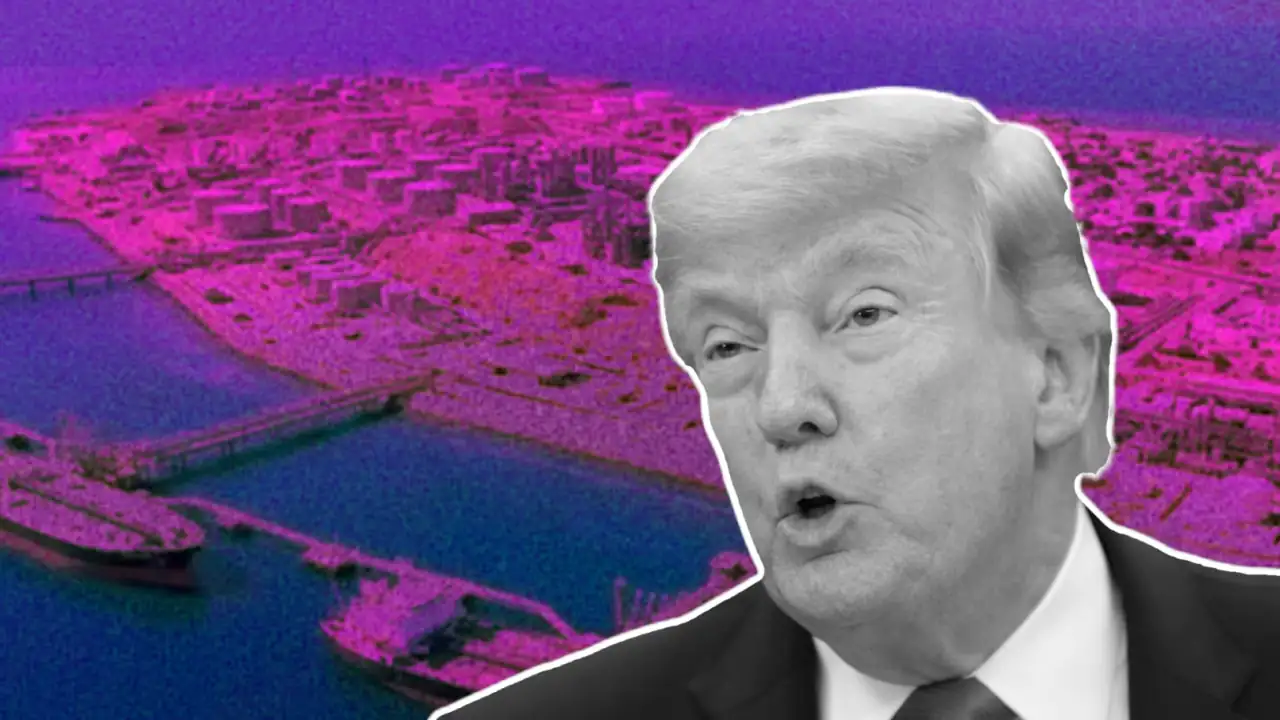
President Donald Trump announced the cancellation of scheduled military strikes and bombings against Iran via his Truth Social platform, claiming that diplomatic discussions have reached a significant breakthrough. According to the President, negotiations have been elevated to the highest level of Iranian leadership and have been approved in both concept and detail by all parties involved.
The decision to stand down comes after a period of heightened tension where the U.S. President had been threatening a third night of heavy strikes against Iranian targets. While the kinetic military action has been halted, Trump emphasized that the naval blockade against Iran will remain in full effect until the agreement is officially finalized.
This move follows what has been described as a flurry of diplomatic activity. The U.S. State Department, including Secretary Marco Rubio, has been directly engaged in diplomacy alongside Arab partners and other regional actors who have been working behind the scenes to bridge the gap between Washington and Tehran.
White House correspondents note that this sudden reversal is not without precedent. In June 2019, Trump approved retaliatory strikes after Iran shot down a U.S. drone, only to cancel them roughly ten minutes before impact. This peace through strength mantra often involves using bombastic language and military threats as leverage to extract concessions before pulling back to allow for diplomatic resolutions.
However, observers caution that while the President frequently projects optimism that a deal is imminent, a final agreement has often proven elusive due to the complexity of the sticking points involved.
The response from Tehran has been characterized by a mix of skepticism and firm demands. Iranian officials have criticized the U.S. for contradictory messages and frequent shifts in position, which they argue undermines the diplomatic process.
For Iran, a successful agreement is tied to several critical conditions:
Ending Hostilities on All Fronts: This includes the situation in the Strait of Hormuz, the naval blockade, and tensions in southern Lebanon.
Sanctions Relief: Iranian leadership is demanding the immediate release of frozen assets and relief from the economic pressure caused by long-standing sanctions and the current blockade.
Phased Implementation: Tehran is seeking a 60-day period to implement a ceasefire on the ground before opening negotiations on more complex files, such as the nuclear program.
While both sides appear eager to avoid a full-scale war, the Hurdle is in the details of the potential agreement. As regional actors continue their efforts to secure a lasting deal, the world remains watchful to see if this latest de-escalation leads to a permanent diplomatic resolution or further volatility.