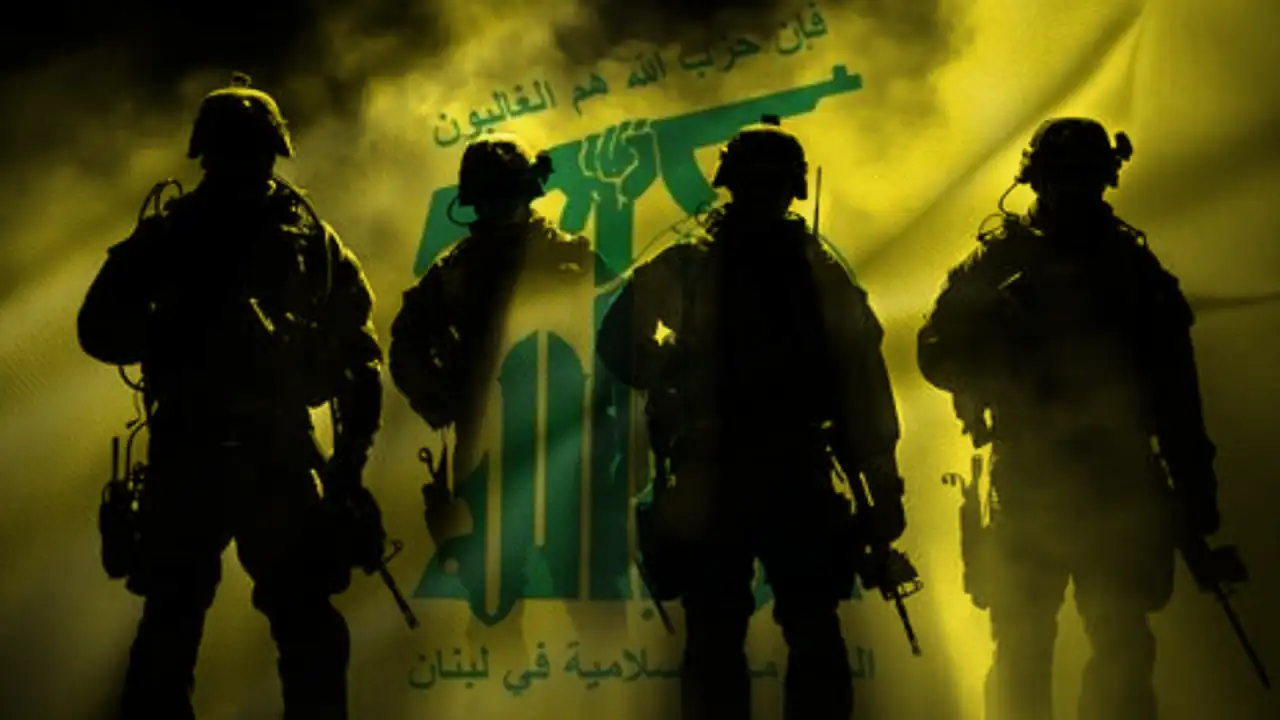
Hezbollah’s military media announced that at least 45 Israeli soldiers were injured over the past 48 hours in southern Lebanon, bringing the total to 131 since the fragile U.S.-brokered ceasefire began on April 16. The group described its actions as defensive responses to ongoing Israeli attacks and ceasefire breaches in southern Lebanon.
Hezbollah has repeatedly stated that its operations are triggered by Israeli aggression, including airstrikes, artillery shelling, home demolitions, and military operations inside Lebanese territory. According to the resistance group and Lebanese sources, these persistent violations have prevented the truce from taking hold and forced retaliatory measures to defend Lebanese sovereignty and civilians.
Pattern of Ceasefire Violations Since April 16
Since the ceasefire took effect, Israeli forces have continued regular attacks across southern Lebanon, according to Lebanese officials and Hezbollah statements. These include strikes on villages, destruction of civilian homes and infrastructure, and operations that have resulted in Lebanese casualties. Hezbollah maintains that such actions leave it no choice but to respond in defense.
The situation echoes earlier incidents during the broader regional de-escalation efforts. When Pakistan played a key mediating role in early April talks between the U.S. and Iran, Pakistani officials publicly stated that the ceasefire agreement included Lebanon. Despite this clarification, Israel launched intense bombardment on southern Lebanon and other areas shortly afterward. Reports indicated that these strikes killed over 300 civilians in a single day of heavy attacks on April 8, with hundreds more wounded. Lebanese health authorities and international observers described the assaults as targeting residential neighborhoods and civilian areas, often without adequate warnings.
Pakistan reiterated its position that Lebanon was part of the ceasefire framework, but the strikes proceeded, deepening mistrust and contributing to the cycle of violence that continues today.
Current Escalation and Retaliation
In recent days, Israeli strikes have killed several people in southern Lebanon, including incidents in areas like Yohmor al-Shaqif and near Bint Jbeil. Lebanese state media reported civilian deaths from raids on vehicles and other targets. Hezbollah has linked its retaliatory operations, including targeting Israeli troop positions and artillery sites, directly to these breaches.
Hezbollah officials argue that the ceasefire remains “meaningless” as long as Israeli forces maintain presence in southern Lebanon, conduct demolitions, and carry out attacks. The group claims its responses, which have reportedly injured dozens of Israeli soldiers, are proportionate measures to deter further aggression and protect Lebanese territory south of the Litani River.
Israeli sources, operating under military censorship, often describe incidents as responses to Hezbollah threats, such as approaching operatives or rocket fire, while providing limited details on their own casualties or operations inside Lebanon. Independent verification of exact figures remains challenging amid restricted access.
Background and Humanitarian Impact
The current ceasefire was announced by U.S. President Donald Trump on April 16 as an initial 10-day pause to allow negotiations for a more permanent border security arrangement. It was later extended by three weeks following talks in Washington. However, both sides accuse each other of violations, with the ground reality in southern Lebanon marked by frequent clashes, drone activity, and strikes.
Lebanese health authorities have reported thousands of deaths and injuries in Lebanon since early March, with a significant portion attributed to Israeli operations. The repeated pattern of Israeli attacks followed by Hezbollah retaliation, has prolonged suffering for border communities on both sides.
Analysts note that without full Israeli withdrawal from areas it occupies in southern Lebanon, enforcement mechanisms, and mutual adherence to the truce terms, the ceasefire risks complete breakdown. Mediators continue efforts to stabilize the situation, but recurring incidents highlight deep challenges in achieving lasting calm.
As of April 26, the cycle of attack and retaliation persists, with residents in southern Lebanon urged to remain cautious amid ongoing uncertainty and humanitarian concerns. Hezbollah has vowed to continue defending against what it calls Israeli aggression, while the situation remains highly volatile.