A Bihar police constable, identified as Abhishek Kumar also referred to as Abhishek Patel or Abhishek Kumar Patel in reports, attached to the District Intelligence Unit and reportedly serving as a bodyguard to the Siwan Superintendent of Police, has been suspended after a video of him firing an AK-47 assault rifle during student protests in Siwan went viral.
The incident occurred on July 25, 2026, amid a statewide Bihar Bandh called by student organisations, including the All India Students Association (AISA) and other left groups, protesting alleged irregularities and paper leaks in the NEET examination. Reports indicate three students sustained gunshot injuries during the broader unrest in Siwan, though police maintain these occurred at locations away from the specific site of the constable’s firing.
The video, widely circulated on social media, shows the officer, wearing a helmet and protective gear, discharging the weapon amid clashes. Siwan SP Puran Kumar Jha confirmed the suspension with immediate effect and the ordering of a departmental inquiry after verification of the footage. Police stated that instructions had been issued not to open fire during the demonstrations.
Official Accounts Differ from Visual Evidence and Public Outrage
According to a police release, Constable Abhishek Kumar (Constable No. 47), deployed near J.P. Chowk in Siwan city, fired four rounds into the air after being surrounded by bandh supporters. The stated purpose was to protect lives and government property. Authorities insist no one in the crowd was injured by these shots.
The three injured protesters—a 17-year-old (name withheld), Aakash Kumar (22), and Bullet Kumar Gond (20)—were hurt at different spots, roughly 1.5–2 km away (near Hafiz Chowk and the town traffic police station). They received initial treatment at Siwan Sadar Hospital before being shifted to a private facility in Patna; the minor has since been discharged. FIRs were registered against the injured individuals based on their statements, and further investigation continues.
Siwan District Magistrate Vivek Ranjan Maitrey stated that the constable “had no orders to open fire” and that the action was unauthorised and inappropriate for crowd-handling situations.
The use of a high-powered assault rifle such as the AK-47, designed for combat and capable of rapid, lethal fire against or in the immediate vicinity of civilian protesters, including students, is inherently dangerous and raises fundamental questions about proportionality, training, and adherence to the rule of law. Even if directed into the air, the risk of ricochets, misdirected rounds, or panic-induced escalation is severe.
Indian law and police protocols on the use of force emphasise minimum necessary force, with lethal weapons reserved for extreme situations where lives are under imminent threat and after exhausting non-lethal options. Deploying an AK-47 in a student-led protest setting undermines public trust in the police as protectors of rights rather than instruments of suppression.
This concern extends beyond the AK-47. Reported incidents of pellet guns being used against protesters, most recently alleged during related demonstrations in Delhi have also drawn sharp criticism.
Pellet guns, often described officially as “non-lethal” or “less-lethal,” have caused serious injuries, including blindness, in past crowd-control operations, particularly in Jammu and Kashmir. Their use against unarmed or largely peaceful demonstrators has been widely condemned as disproportionate and inconsistent with democratic norms of protest management. The principle remains the same: firearms of any kind, whether assault rifles or pellet-firing weapons, should not be the default response to public dissent.
Political Reactions
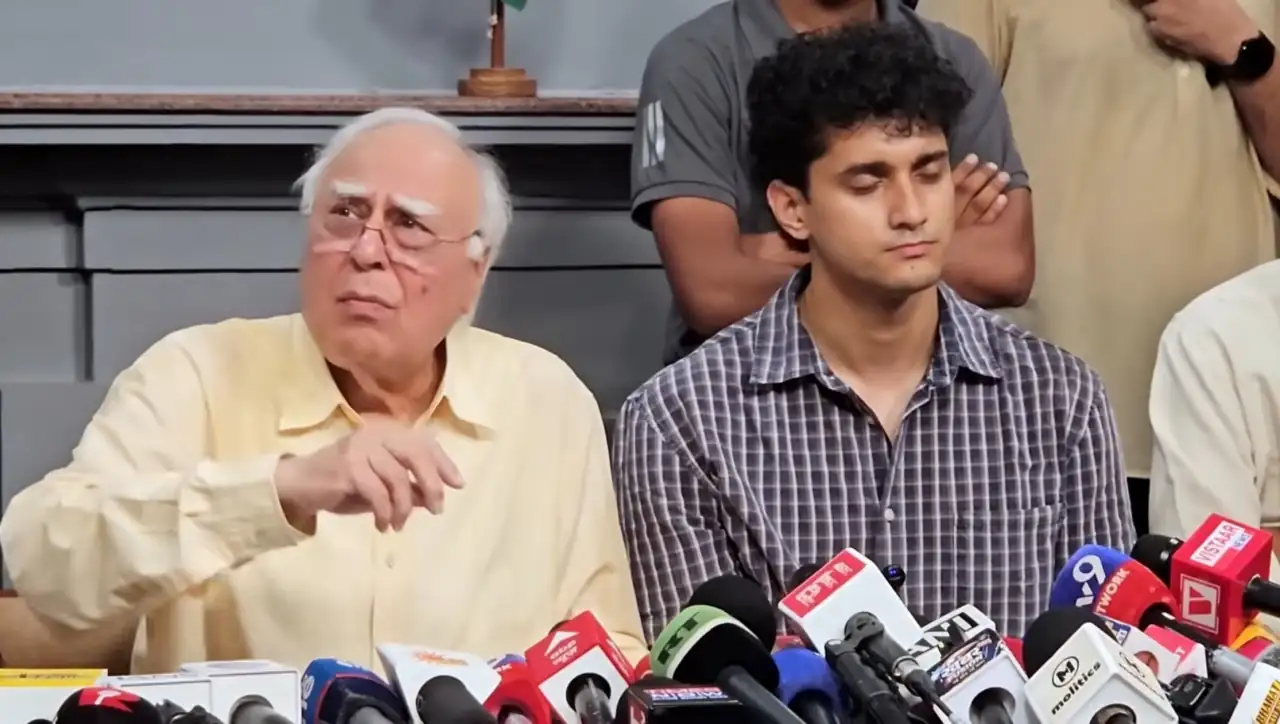
Opposition leaders have strongly condemned the incident, linking it to broader concerns over the handling of student protests against the NEET controversy.
“On whose orders were AK-47 bullets fired?”
— Tejashwi Yadav, Leader of the Opposition in the Bihar Assembly (RJD), demanding a judicial probe and warning of further agitation while calling for action against responsible officials.
“The entire system is downright murderous against students… News is coming in that AK-47 bullets have been fired at protesting students in Bihar, and hundreds of students have been arrested with FIRs being filed against them… Mr Modi, apologise to the country’s students. And take action against those who attacked and crushed the students—not against the students themselves.”
— Rahul Gandhi, Leader of the Opposition in the Lok Sabha (Congress), comparing the Bihar incident to alleged pellet-gun use against students in Delhi.
Aam Aadmi Party leaders similarly described the episode as “state brutality,” asking who authorised the firing and who would be held accountable.
Police and administrative statements have focused on the suspension and the claim of aerial firing:
“The policeman has been suspended and a departmental inquiry ordered against him.”
— Siwan Superintendent of Police Puran Kumar Jha.
“On July 25, 2026, near J.P. Chowk in Siwan city, Constable No. 47 Abhishek Kumar fired four rounds into the air to protect lives and government property after being surrounded by supporters of the bandh. There are no reports of anyone in the crowd sustaining injuries during this incident.”
— Official Bihar Police / Siwan Police statement.
No detailed independent statement from the Bihar state government leadership (Samrat Choudhary or senior ministers) specifically addressing the choice of weapon or broader policy on force against protesters was prominently reported in the immediate aftermath, the response has so far been channelled through the police hierarchy’s disciplinary action.
Credibility of the Police and the Rule of Law
When a police personnel is captured on camera firing an AK-47 in the context of a student protest, it inevitably damages the credibility of the force. The rule of law requires that those entrusted with maintaining order themselves operate within clear legal and ethical boundaries.
Suspension and inquiry are necessary first steps, but they must be followed by transparent investigation into whether the weapon was authorised for that duty, whether proper escalation protocols were followed, and whether the three injuries elsewhere in Siwan are fully and independently accounted for.
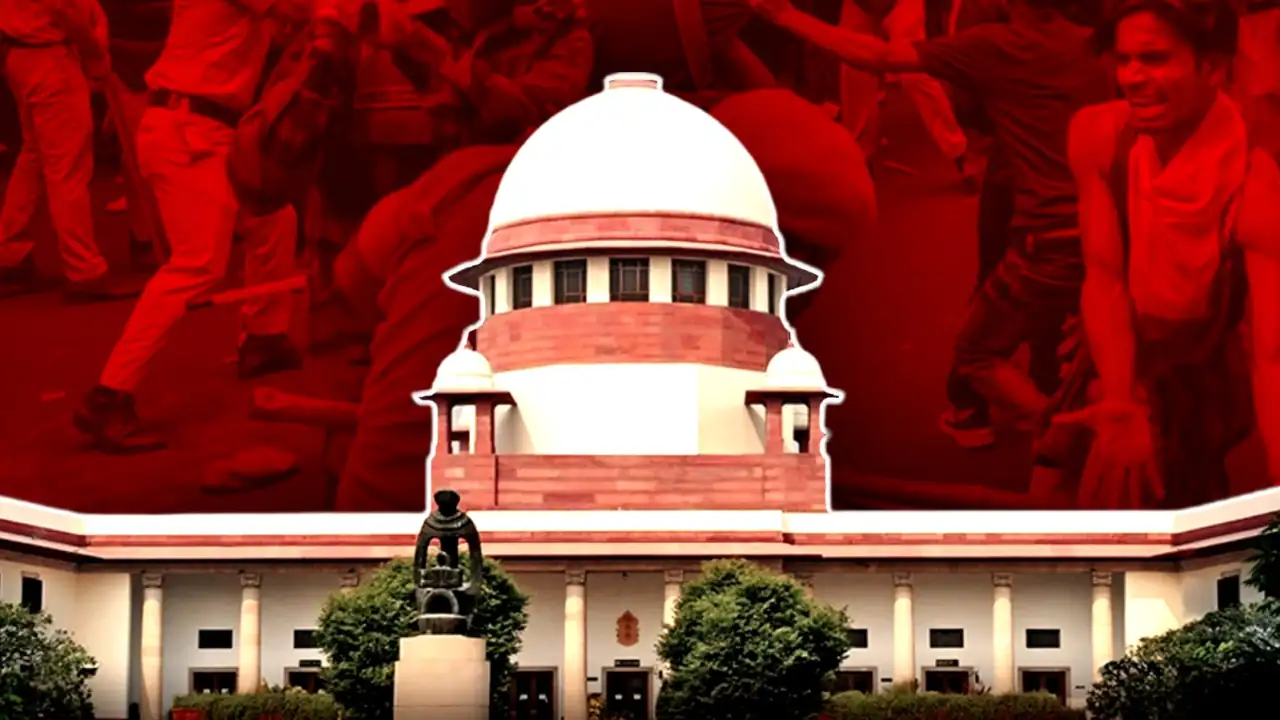
A Public Interest Litigation has already been filed in the Supreme Court seeking registration of an FIR and an independent probe.
Protests, especially by students raising concerns over examination integrity are a legitimate expression of democratic rights. The response must prioritise de-escalation, dialogue, and non-lethal methods.
The appearance or reality of combat-grade weapons being used against civilians erodes public confidence and invites the perception that the state views dissent as a security threat rather than a civic right.
Restoring credibility will require not only accountability in this case but a clear reaffirmation that the use of lethal or high-risk firearms against protesters is exceptional, tightly controlled, and subject to rigorous oversight—not a tool of convenience.