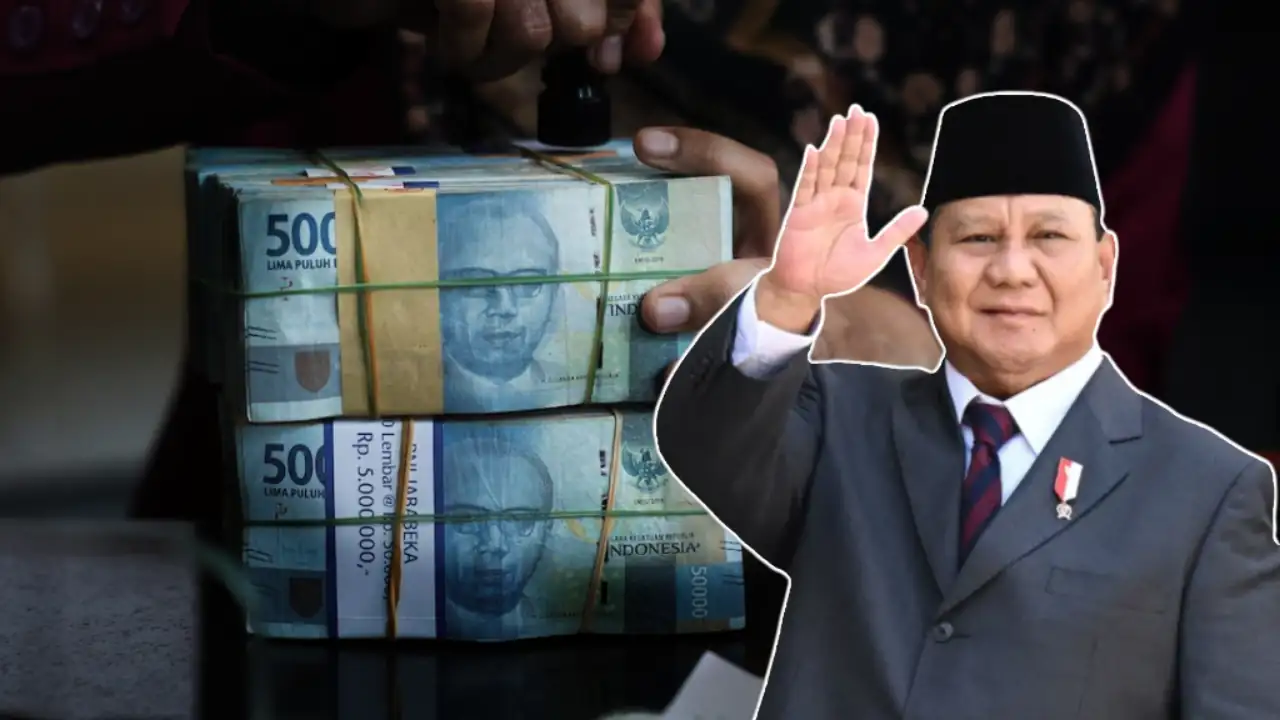
In a significant move reflecting broader global trends, the Indonesian government is actively urging its industrial sector to reduce dependence on the US dollar by expanding the use of local currencies in trade, particularly for importing raw materials. This initiative highlights Indonesia’s growing alignment with nations seeking to diversify away from dollar hegemony amid exchange rate volatility and geopolitical uncertainties.
According to a spokesperson from the Indonesian Ministry of Industry, approximately 24% of raw materials required by the country’s industries are still sourced through imports. This heavy reliance exposes production costs to sharp fluctuations in the rupiah-dollar exchange rate, especially as the rupiah has faced recent pressures.
Febri Hendri Antoni Arief, the ministry spokesperson, emphasized that promoting local currency transactions (LCT) will help ease these pressures and support greater economic stability. The government is also encouraging industries to diversify their sources of raw material imports to mitigate risks from global supply chain disruptions.
Indonesia has been steadily building infrastructure for this shift. The country has expanded its LCT framework with key trading partners, including Malaysia, Thailand, Japan, China, South Korea, and the United Arab Emirates. Recent data shows impressive growth: local currency transaction values surged by 163% in the early months of 2026, reaching $8.45 billion in January–February compared to the previous year.
This momentum aligns with President Prabowo Subianto’s broader policy push, including currency swap arrangements in the Asia-Pacific region to further reduce exposure to the dollar.
Indonesia in the Global De-Dollarization Wave
Indonesia is not acting in isolation. It joins a growing list of countries, many within the expanded BRICS grouping, actively working to diminish the US dollar’s dominance in international trade. Nations like China, Russia, India, Brazil, and others have increasingly settled bilateral trade in their own currencies, developed alternative payment systems, and diversified reserves into gold and other assets.
As a BRICS member, Indonesia’s efforts contribute to a multipolar financial landscape. The country has strengthened ties with China through dollar-free payment initiatives and contributed $1 billion to the BRICS New Development Bank, signaling commitment to alternative financial pathways.
Experts view these steps as pragmatic risk management rather than outright confrontation. By reducing vulnerability to US monetary policy, sanctions, or sudden dollar strength, emerging economies like Indonesia aim to enhance resilience, stabilize their currencies, and lower transaction costs through direct bilateral settlements.
For Indonesian industries, the benefits could include lower currency conversion costs, reduced exchange rate risks, and stronger bargaining power with trading partners. However, challenges remain. Many global contracts and commodity trades (such as oil and certain raw materials) are still predominantly dollar-denominated. Businesses will need time to adapt pricing, contracts, and hedging strategies.
The government is complementing these efforts with measures to boost domestic production and import substitution, aiming to reduce the overall need for imported raw materials in the long term.
Indonesia’s push against dollar reliance mirrors a larger transformation in the global economy. The dollar’s share of global reserves has declined over the years as central banks diversify. While the greenback remains the dominant reserve currency and medium for international trade, its monopoly is eroding, driven by geopolitical tensions, the rise of alternative payment systems, and the economic ascent of non-Western powers.
For Indonesia, Southeast Asia’s largest economy, this strategy supports broader goals of economic sovereignty, rupiah stability, and integration into a more multipolar world. As more countries follow similar paths, the era of unchallenged dollar dominance appears to be gradually giving way to a more diversified international monetary system.
This development will be closely watched by markets, investors, and policymakers worldwide as Indonesia continues to balance its relationships with both traditional Western partners and emerging blocs.