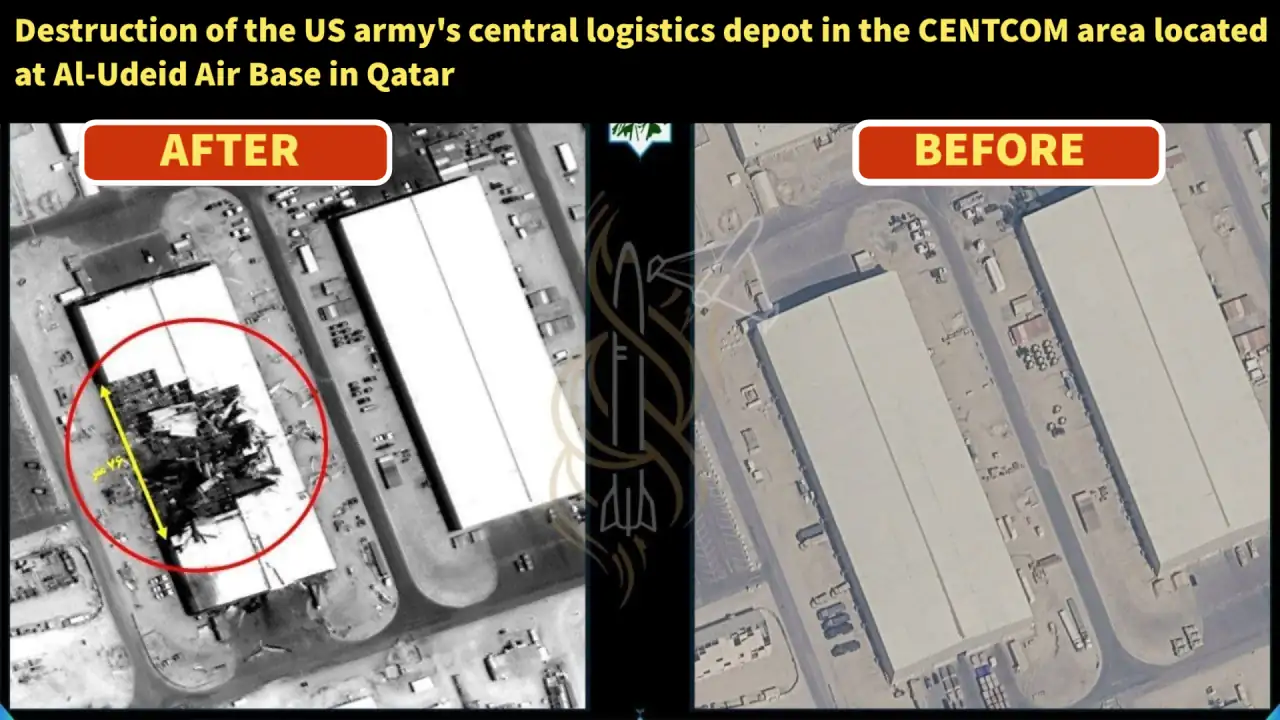
Fresh Iranian strikes on Al-Udeid Air Base, a cornerstone of U.S. Central Command (CENTCOM) operations in the Middle East, have sparked intense debate over damage to critical logistics and support infrastructure. The Islamic Revolutionary Guard Corps (IRGC) has claimed successful hits on key facilities at the base, including elements tied to aircraft maintenance, command and control, and broader logistical capabilities that support U.S. forces across the region.
Al-Udeid Air Base, one of the largest and most strategically vital U.S. installations in the Persian Gulf, hosts forward headquarters for CENTCOM, extensive air operations, maintenance hangars, and logistics depots essential for sustaining military activities in Iraq, Syria, Afghanistan, and beyond. It serves as a central hub for supply chains, refueling, aircraft servicing, and command functions.
In the latest round of retaliatory operations announced around July 12, 2026, the IRGC stated that ballistic missiles struck Al-Udeid as part of responses to U.S. actions. Iranian officials specifically claimed destruction of a fighter aircraft maintenance and repair center as well as command and control facilities. Related statements highlighted impacts on logistical support infrastructure in the broader CENTCOM theater.
Satellite imagery and open-source reports circulating since the strikes have shown visible damage to hangars, communications structures, and other support buildings, lending some credence to claims of disrupted logistics and maintenance operations at the base.
U.S. and Qatari officials have pushed back against Iranian assertions, stating that air defenses intercepted the majority of incoming threats. Any strikes that reached the base caused only minimal damage, with no significant disruption to overall operations or reported casualties among U.S. or Qatari personnel. The Pentagon has emphasized that Al-Udeid remains fully capable of supporting its missions.
Preemptive measures, including dispersal of aircraft and relocation of some command functions, reportedly mitigated potential impacts on logistics and air operations.
Statements from Both Sides
Iranian Side (IRGC/IRNA):
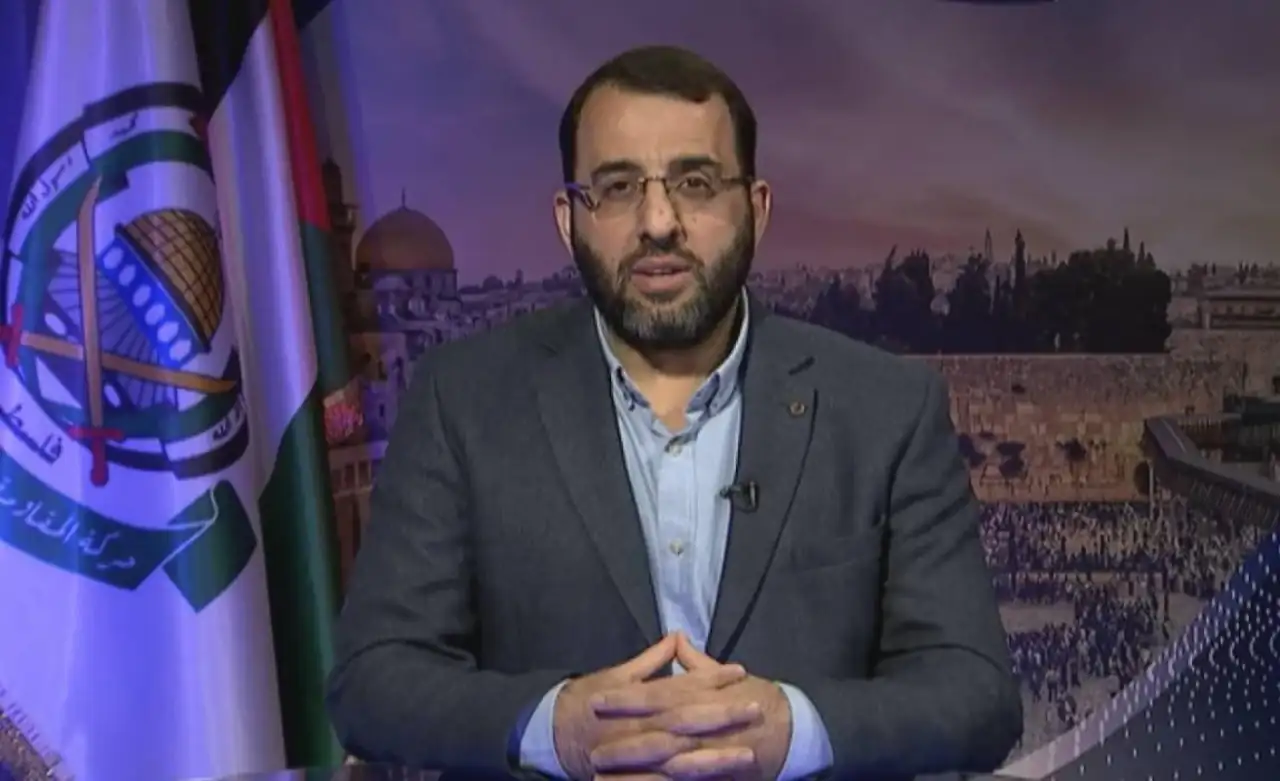
“In response to US aggression against Iran’s coastal bases… the strategic US air base at Al-Udeid in Qatar was hit by ballistic missiles in the 2nd phase of the retaliatory operation.”
“The fighter jet maintenance and repair center and the command center of this garrison were demolished. The US-Israeli enemy should know that the continuation of its aggression will be met with even more crushing responses.”
U.S./Qatari Side:
Qatar’s Ministry of Defence reported successful interceptions of incoming fire, with limited shrapnel-related injuries on the ground but no direct major base damage acknowledged. U.S. statements have consistently described impacts as “minimal” and affirmed that “Al Udeid Air Base remains fully operational and capable of conducting its mission.”
The reported strikes on Al-Udeid form part of a wider pattern of Iranian attacks across Gulf states in mid-July 2026, including logistical targets in Jordan and other facilities. While Iranian claims portray a severe blow to U.S. central logistics capabilities at the base, Western and Qatari accounts stress resilience and effective defenses. Independent verification through satellite analysis continues, as the situation remains fluid amid ongoing regional tensions.
This incident highlights the persistent challenges to forward-deployed U.S. logistics hubs in contested environments.