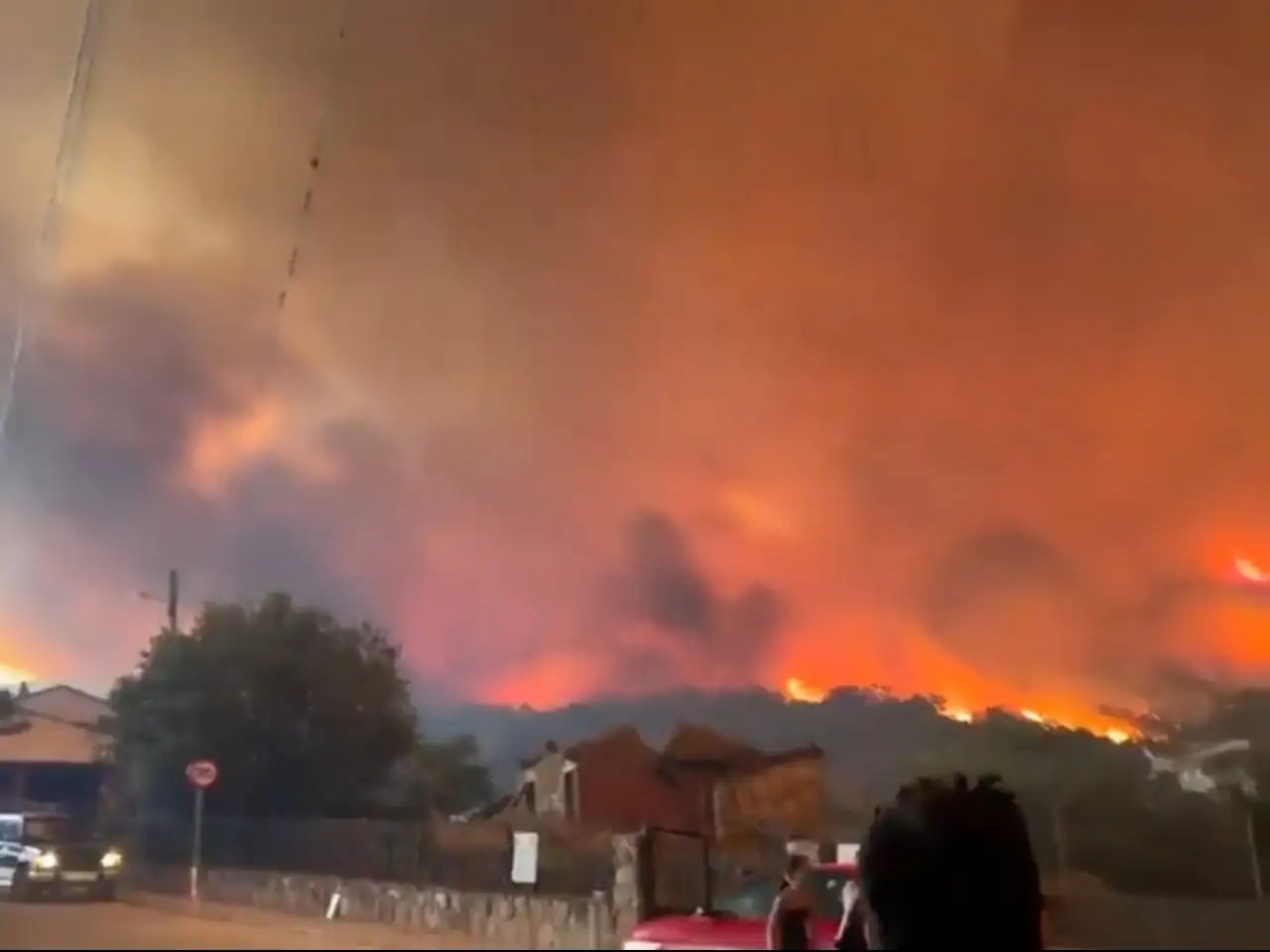
More than 200,000 people have been evacuated or ordered to shelter indoors as extreme heat and dry conditions fuel raging wildfires across southwestern France and central Spain. In France’s Gironde region, authorities ordered the total evacuation of the Cap Ferret peninsula, a popular Atlantic Coast tourist hotspot near Bordeaux, with tens of thousands, many of them holidaymakers, fleeing by road and boat. In Spain, the government declared its first national wildfire emergency as fires near Madrid and in neighbouring Ávila province forced large-scale evacuations and lockdowns.
Thousands of firefighters, soldiers, and aircraft from across Europe are battling the blazes, which have scorched thousands of hectares of forest and destroyed dozens of homes. Officials attribute the crisis to a combination of extreme temperatures, prolonged drought, strong winds, and human activity. Two French firefighters died earlier in a related blaze near Bordeaux while responding to the broader wave of fires.
France: Cap Ferret Peninsula Emptied
French authorities described the Gironde fires as an unprecedented “XXL” blaze. Interior Minister Laurent Nuñez reported that around 40,000 people in the Cap Ferret area had been or were being evacuated, with additional thousands displaced elsewhere in the southwest. Boats operated from multiple piers to help residents and tourists escape as flames approached the narrow peninsula between the Atlantic and the Bay of Arcachon. Hundreds of homes and campsites were threatened or damaged.
President Emmanuel Macron requested activation of the European Union’s civil protection mechanism, securing reinforcements including aircraft from Croatia and Portugal and helicopters from the Czech Republic and Slovakia. He earlier warned that France was facing its worst fire season since World War II and pledged “zero tolerance” for arson.
Government statement (France):

“As I speak, gradually, 40,000 people have either been evacuated or are currently being evacuated. This is the largest fire of the season… There have been no reported casualties so far. A total of 80 homes have burnt, around 50 of which have been completely destroyed… The fire is not yet under control and 1,000 firefighters are currently deployed.”
— French Interior Minister Laurent Nuñez
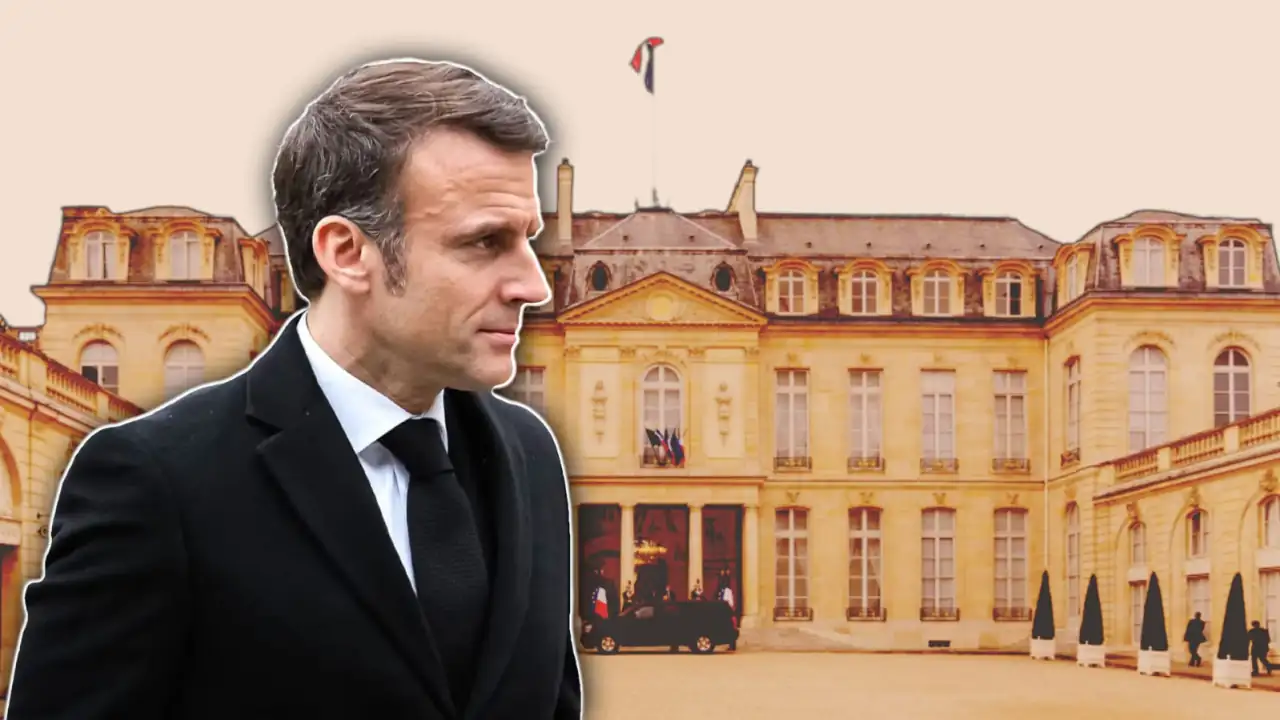
“The situation remains extremely tense with the fires hitting our country, particularly in Gironde. France has requested the activation of the European Union’s civil protection mechanism. We will soon be able to count on reinforcements…”
— President Emmanuel Macron
Spain: National Emergency Declared Near Madrid
Spain’s Interior Ministry declared a national emergency for the first time over wildfires, placing coordination under central control and mobilising the Military Emergency Unit. Fires in the mountains west of Madrid including Villa del Prado and San Martín de Valdeiglesias and in Ávila province merged or threatened to merge, prompting the evacuation of more than 10,000–19,000 people from multiple towns, with tens of thousands more ordered to remain indoors. Regional officials called it the worst fire in Madrid’s history.
More than 2,000 personnel and multiple aircraft struggled against extreme heat and wind-driven flames that had already burned large areas. Officials warned of further evacuations if conditions worsened.
Government statement (Spain):

“More than 19,000 people were ordered to evacuate from towns in the mountains west of Madrid, as more than 2,000 personnel and 10 aircraft struggled… The declaration of a national emergency aims to speed up the deployment of resources.”
— Spanish Interior Minister Fernando Grande-Marlaska
Madrid regional president Isabel Díaz Ayuso described the situation as “completely unusual and catastrophic,” stating that the priority was “to save lives” amid what she called the worst fire in the region’s history.
Voices from the Ground: Victims and Residents
Evacuees described scenes of panic, thick smoke, and hurried departures, often with only minutes to gather belongings.
Resident and tourist statements:
“All around the town was smoke and fire, I was scared. Everything was fire and smoke, people were nervous.”
— Joaquín Espinosa, 33, evacuated from Chapinería near Madrid
“Police had come banging on the doors… It’s scary – hard to take in. When we bought a home here, we never thought there’d be a fire risk.”
— Patrick Martineau, 69, evacuated from Le Porge, Gironde
“Get your bags ready, we’re going to be evacuated during the night.’ We put the bulk of our stuff in the car boot and left.”
— Sylvie, holidaymaker from Paris staying in Lège-Cap-Ferret
“We got in our car, packed everything up as quickly as we could… and then set off and joined a very long, slow-moving queue of traffic. Everyone was driving with their lights on… we could see several fires in the distance… You could see the whole forest was on fire and that really brought it home what a major fire it was.”
— British tourist Mr Morton, describing the Cap Ferret/Lège evacuation
“In my 60 years I have never seen something like this in my village, I have never seen fire of these dimensions.”
— Francisco Martínez, mayor of Burgohondo, Ávila (whose residents were preventively evacuated)
“The smoke was incredibly thick. You couldn’t breathe.”
— José Cobos, who fled with his wife and three dogs near Madrid
“We were terrified, and honestly, we refused to evacuate… I felt there was a duty to protect those who couldn’t, like the elderly and the women living alone who had left.”
— Ludovic Pollet, former firefighter defending his home and neighbours in southwest France
European mutual aid is underway, with aircraft and ground crews from multiple countries supporting national forces. Temperatures remain high and vegetation extremely dry, raising fears of further outbreaks. Authorities continue to urge caution against activities that could spark new fires, noting that most wildfires involve some human element. Relief centres have opened for displaced residents and tourists, providing food, shelter, and information as crews work to contain the blazes and assess the full extent of the damage.