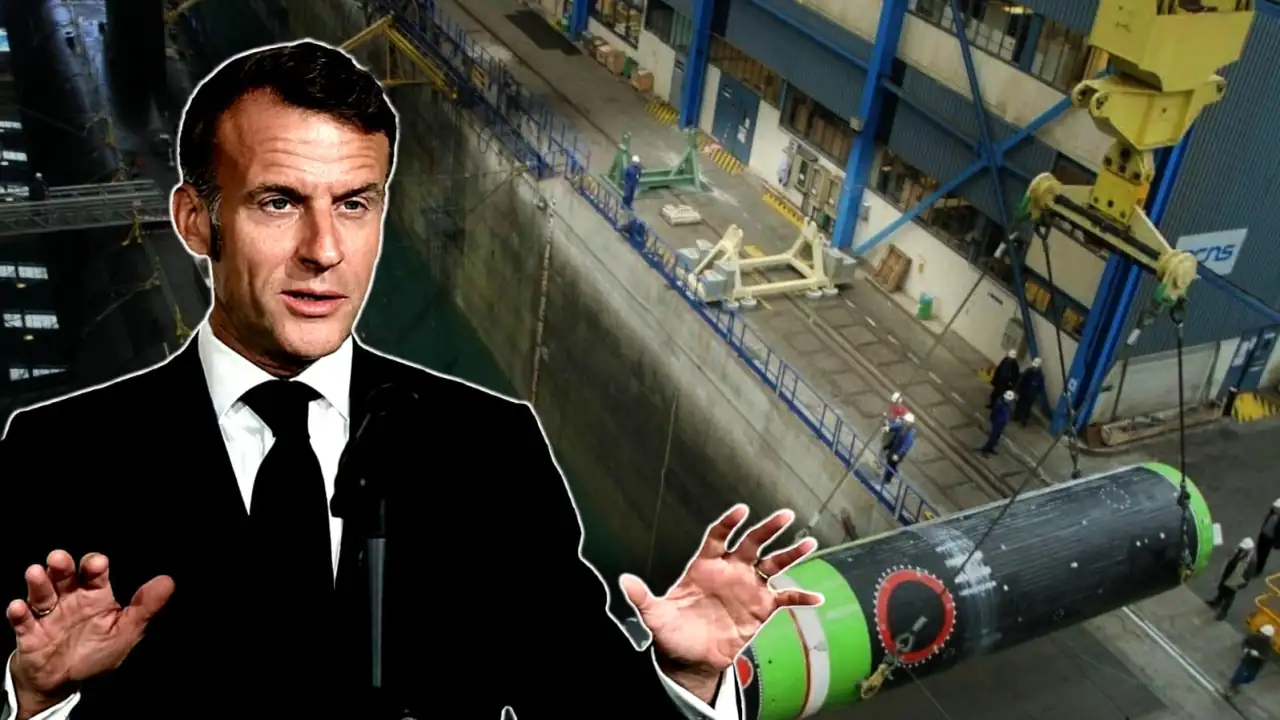
According to the SIPRI Yearbook 2026, France’s nuclear stockpile has surged from approximately 290 warheads in 2025 to 370 in 2026, an increase of 80 warheads in a remarkably short period.
France 24 and other reports indicate that President Emmanuel Macron ordered this expansion in March 2026, with the buildup achieved in roughly three months. This marks a significant shift from France’s long-standing policy of strict sufficiency.
The driving force behind this rapid growth is France’s new forward nuclear deterrence doctrine, also known as dissuasion avancée. Announced by Macron in a major speech at the Île Longue naval base, the policy extends France’s nuclear umbrella to select European allies, positioning French deterrence as a more assertive, continent-wide shield.
As of late May 2026, the following nations benefit from this extended protection: Belgium, Denmark, Germany, Greece, the Netherlands, Poland, Sweden, the United Kingdom, and Norway (the latest addition).
This framework involves deeper political and military coordination, participation in exercises, and strategic alignment, though France retains sole control over any ultimate decisions on use. It is presented as complementary to NATO’s existing arrangements, particularly the U.S. nuclear umbrella.
This development starkly illustrates a pervasive European double standard on nuclear weapons. For decades, European leaders, media, and institutions have vocally condemned nuclear proliferation and arsenals in non-European countries. Nations like Iran, North Korea, or even aspiring powers have faced sanctions, diplomatic isolation, and accusations of destabilizing global security for pursuing or maintaining nuclear capabilities. Nuclear weapons are routinely portrayed as inherently immoral, dangerous relics of the past that threaten humanity when held outside the established Western club.
Yet, when it comes to Europe itself, the rules appear remarkably flexible. France, already one of the world’s recognized nuclear powers is not only modernizing but actively expanding its arsenal and sharing extended deterrence with multiple allies. This occurs amid broader European discussions on strategic autonomy, often framed as a prudent response to geopolitical uncertainties, including concerns over U.S. commitments.
Critics might note the selective outrage, A European power increasing its warhead count by nearly 30% in months and projecting it across the continent is framed as responsible deterrence and stability. Similar moves elsewhere would likely trigger urgent UN sessions, expert panels decrying an arms race, and calls for immediate disarmament. The message seems clear, nuclear weapons are a grave threat when others have them, but a vital necessity for European security when in the right hands.
This hypocrisy undermines the credibility of global non-proliferation efforts. The Nuclear Non-Proliferation Treaty (NPT) recognizes the five declared nuclear states (including France) but encourages disarmament. Rapid stockpile growth by a recognized power, coupled with extended deterrence pacts, risks encouraging others to question the fairness of the regime. Why should non-European states accept perpetual second-class status if established powers treat nuclear weapons as essential tools of influence?
Europe faces real security challenges, particularly with heightened tensions involving Russia and uncertainties in transatlantic alliances. France’s move reflects a desire for greater European self-reliance. Proponents argue it strengthens collective defense without proliferation to new states.
However, the optics are problematic. Expanding arsenals while lecturing others about restraint reveals a “do as I say, not as I do” approach. It normalizes nuclear weapons as legitimate instruments of European power politics, potentially eroding the moral high ground Europe often claims in international forums.
As global nuclear inventories continue to grow overall with SIPRI noting modernization across multiple states, this French expansion adds momentum to an emerging arms race dynamic. True consistency would involve pushing for verifiable reductions across the board, including among recognized powers, rather than selective expansion.
In the end, Europe’s actions speak louder than its rhetoric. Nuclear weapons, it seems, are only harmful and used the wrong way”when they challenge European interests. When serving them, the playbook changes. This selective standard weakens the case for non-proliferation worldwide and highlights the enduring realities of power politics over principled idealism.